THE ADVENTURE COLLECTIVE® · Independent discovery and booking for outdoor travel

Take the San Francisco Bay Ferry to Vallejo and spend a full day visiting three rotating back-road wineries in Napa Valley. This small-group tour mixes intimate tastings, a vineyard picnic, and local stories with convenient ferry logistics back to the city.
Take the San Francisco Bay Ferry to Vallejo and spend a full day visiting three rotating back-road wineries in Napa Valley. This small-group tour mixes intimate tastings, a vineyard picnic, and local stories with convenient ferry logistics back to the city.
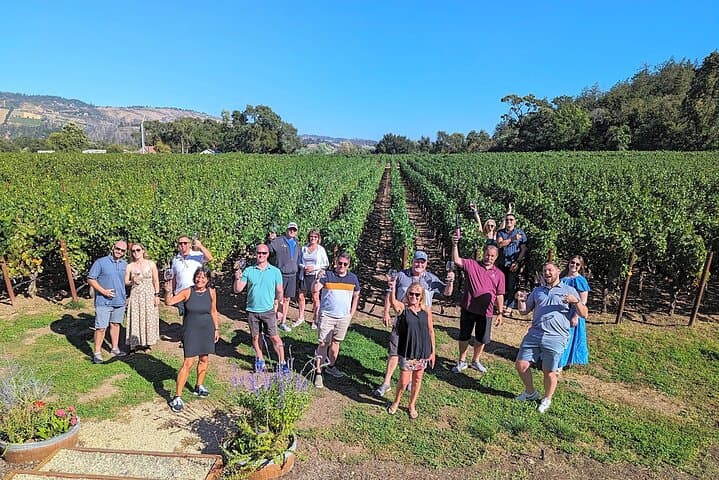
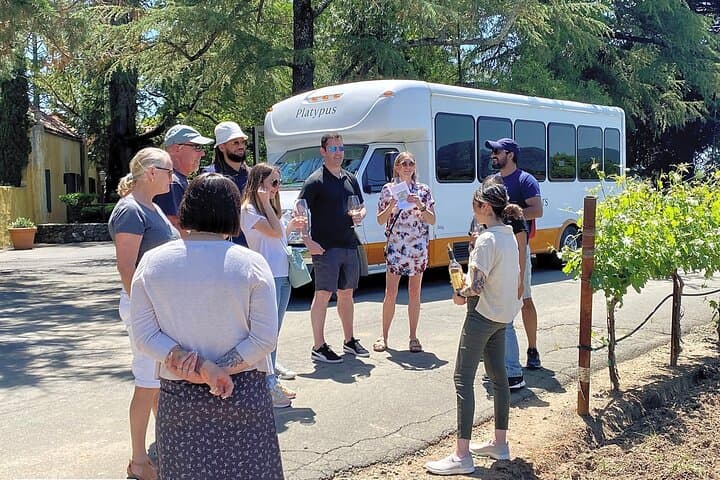
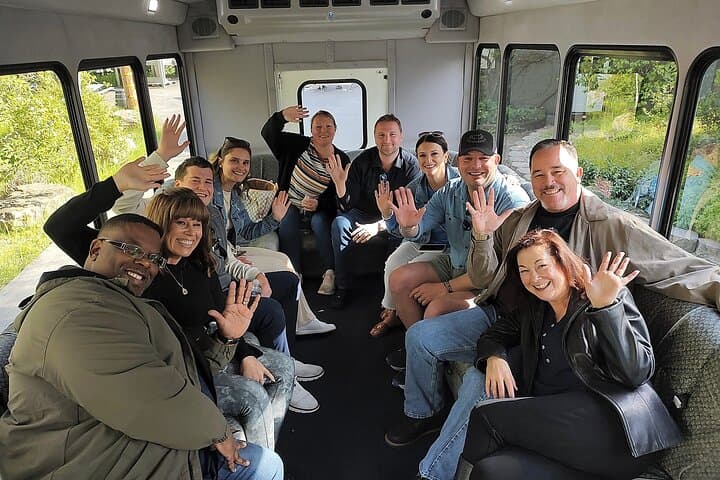
The ferry slips out of the San Francisco skyline and the morning chill peels away as you approach Vallejo; by 9:30am a small shuttle waits to carry a compact group onto Napa’s back roads. Vine rows stretch into low hills, oak-studded ridgelines frame distant mountaintops, and the guide’s stories move from Gold Rush-era freight routes to modern oak-aging techniques between tasting stops.
Verified experiences and guided adventures in the surrounding area.
Operated by Platypus Tours Limited · Vallejo, California
The ferry slips out of the San Francisco skyline and the morning chill peels away as you approach Vallejo; by 9:30am a small shuttle waits to carry a compact group onto Napa’s back roads. Vine rows stretch into low hills, oak-studded ridgelines frame distant mountaintops, and the guide’s stories move from Gold Rush-era freight routes to modern oak-aging techniques between tasting stops.
Napa Valley’s geology—marine shale, volcanic rock, and alluvial gravels—creates pockets of distinctive terroir. Winemaking here intensified after the 19th century, then matured into a global reputation after the 1976 “Judgment of Paris.” Today, many boutique estates favor low-intervention farming and small-lot fermentation; your tour picks three off-the-beaten-path tasting rooms that rotate day-to-day, so each itinerary feels local and variable.
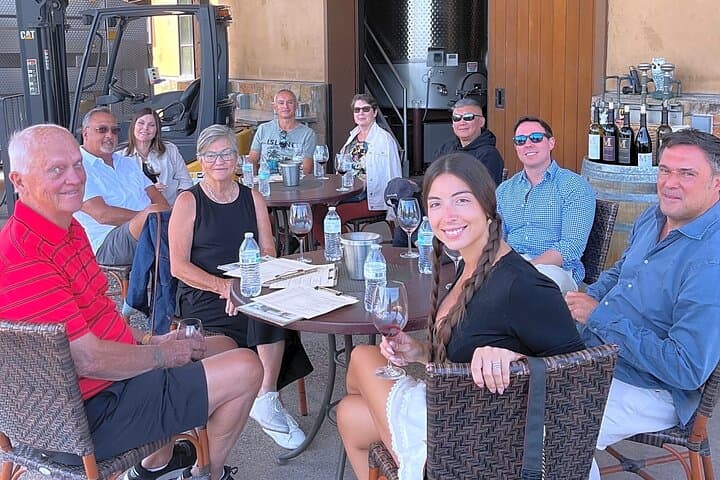
Expect gentle walking on gravel and paved driveways, picnic lunch set out at a vineyard lawn, and intimate tastings where fees average $20–$25 (often waived with purchase). The small-group format (8–12 guests) keeps the pace relaxed and social; the guide handles logistics and local context so you can focus on tasting notes and vineyard views.
Practical tips: bring a valid photo ID (21+ required to taste), dress in layers for bay breezes and inland sun, and plan for the ferry fare separately. Hydrate between flights—many wineries provide water, but having your own bottle is wise. Return timing is coordinated so you’ll be dropped back at Vallejo in time for evening ferries to San Francisco. The day balances scenic wandering, approachable education, and classic Napa hospitality—best for travelers who want more discovery than a crowded tasting room.
easy.
7–8 hours.
Suitable for most fitness levels; requires short walks on gravel and uneven winery grounds.
Yes—the San Francisco Bay Ferry fare to Vallejo is not included; confirm times and book your ferry to match the tour pickup.
No—tasting fees (typically $20–$25 per winery) are extra, though many wineries discount or waive fees with a bottle purchase for tour guests.
No—this tour is restricted to guests 21 and older; under-21s are not permitted on the tasting itinerary.
Pickup and drop-off are at the Vallejo Ferry Terminal; the shuttle meets guests at the curb across from the ferry.
Napa’s wine culture dates to mid-19th-century plantings and grew into international prominence after late-20th-century competitions; many valley roads follow old ranch and freight routes.
Many Napa estates practice sustainable farming and habitat restoration; stay on paths, avoid disturbing vines, and consider buying a bottle to support small producers.
Platypus Tours Limited operates guided outdoor trips and adventures with an emphasis on safety, stewardship, and memorable experiences.
The ferry slips out of the San Francisco skyline and the morning chill peels away as you approach Vallejo; by 9:30am a small shuttle waits to carry a compact group onto Napa’s back roads. Vine rows stretch into low hills, oak-studded ridgelines frame distant mountaintops, and the guide’s stories move from Gold Rush-era freight routes to modern oak-aging techniques between tasting stops.
The ferry slips out of the San Francisco skyline and the morning chill peels away as you approach Vallejo; by 9:30am a small shuttle waits to carry a compact group onto Napa’s back roads. Vine rows stretch into low hills, oak-studded ridgelines frame distant mountaintops, and the guide’s stories move from Gold Rush-era freight routes to modern oak-aging techniques between tasting stops.
Napa Valley’s geology—marine shale, volcanic rock, and alluvial gravels—creates pockets of distinctive terroir. Winemaking here intensified after the 19th century, then matured into a global reputation after the 1976 “Judgment of Paris.” Today, many boutique estates favor low-intervention farming and small-lot fermentation; your tour picks three off-the-beaten-path tasting rooms that rotate day-to-day, so each itinerary feels local and variable.
Expect gentle walking on gravel and paved driveways, picnic lunch set out at a vineyard lawn, and intimate tastings where fees average $20–$25 (often waived with purchase). The small-group format (8–12 guests) keeps the pace relaxed and social; the guide handles logistics and local context so you can focus on tasting notes and vineyard views.
Practical tips: bring a valid photo ID (21+ required to taste), dress in layers for bay breezes and inland sun, and plan for the ferry fare separately. Hydrate between flights—many wineries provide water, but having your own bottle is wise. Return timing is coordinated so you’ll be dropped back at Vallejo in time for evening ferries to San Francisco. The day balances scenic wandering, approachable education, and classic Napa hospitality—best for travelers who want more discovery than a crowded tasting room.