THE ADVENTURE COLLECTIVE® · Independent discovery and booking for outdoor travel

A full-day loop of Naoshima’s shoreline art — cycle between Benesse House, the Art House Project and Kusama’s red pumpkin, then return by ferry to Uno. Practical tips for tickets, e-bikes, and timing to make the most of an 8‑hour visit.
A full-day loop of Naoshima’s shoreline art — cycle between Benesse House, the Art House Project and Kusama’s red pumpkin, then return by ferry to Uno. Practical tips for tickets, e-bikes, and timing to make the most of an 8‑hour visit.
You step off the ferry into Miyanoura harbor and the red Kusama pumpkin greets you like a punctuation mark on the sea — bright, blunt, and impossible to ignore. Wind from the Seto Inland Sea moves across low scrub and concrete art pavilions; bicycles clatter into gear and the island opens into a sequence of built works, shoreline views, and narrow streets that lead into reimagined homes.
Verified experiences and guided adventures in the surrounding area.
Operated by H.I.S.Co., Ltd. · Naoshima, Kagawa Prefecture
You step off the ferry into Miyanoura harbor and the red Kusama pumpkin greets you like a punctuation mark on the sea — bright, blunt, and impossible to ignore. Wind from the Seto Inland Sea moves across low scrub and concrete art pavilions; bicycles clatter into gear and the island opens into a sequence of built works, shoreline views, and narrow streets that lead into reimagined homes.
Naoshima’s recorded history stretches back to the Heian period, but its modern identity is dominated by contemporary art: Benesse House (Tadao Ando) and the Art House Project convert architecture and abandoned structures into exhibition space. The island sits within the Seto Inland Sea National Park, where rules limit visual impact and encourage museums to integrate into the ground. The Setouchi Triennale every three years amplifies Naoshima’s international draw.
Expect 10–15 km of cycling if you circumnavigate the main visitor areas, with intermittent climbs (cumulative gain roughly 150–250 m) — manageable on a power-assisted e-bike but noticeably steep in places. Highlights include Benesse House (admission JPY 1,300), the Art House Project (multi-site ticket JPY 1,050), and the distant minimalism of Chichu Art Museum (entrance JPY 2,100; online booking required). Ferries run from Uno; guide meets at Uno Station before the round-trip ferry crossing.
Practical notes: reserve Chichu early, carry water and layered clothing for changing sea breezes, and plan 6–8 hours ashore to cover key sites. If bikes are unavailable, the island’s bus connects major stops. Respect private residences, follow park signage, and expect concentrated crowds during the Triennale and summer weekends.
moderate.
6–8 hours (full-day).
Suitable for riders with basic cycling fitness; e-bike recommended for casual cyclists due to short steep sections.
The ferry crossing typically takes about 20–25 minutes for standard services between Uno Port and Miyanoura or Honmura on Naoshima.
Benesse House (JPY 1,300) and the multi-site Art House Ticket (JPY 1,050) are included per the tour inclusions, but Chichu Art Museum (JPY 2,100) must be purchased online separately and is not always covered.
Yes — if bicycles are unavailable or you prefer not to ride, the island bus connects major sites; the guide can adjust the itinerary accordingly.
Children under 5 or under 135 cm are not allowed to participate on this tour; older children may join but should be comfortable on an e-bike or with bus travel.
Naoshima has records dating to the Heian period but transformed in the late 20th century into an art island through collaborations with Benesse and architects like Tadao Ando.
As part of Seto Inland Sea National Park, development is regulated to limit visual impact; visitors are asked to follow signage and avoid disturbing coastal habitats.
H.I.S.Co., Ltd. operates guided outdoor trips and adventures with an emphasis on safety, stewardship, and memorable experiences.
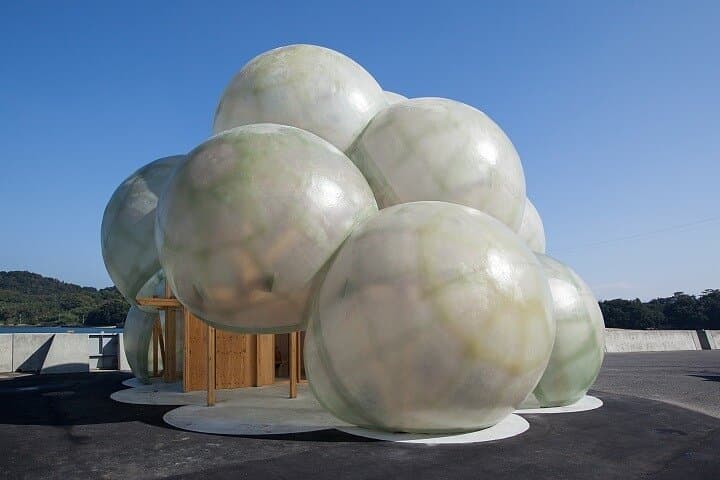
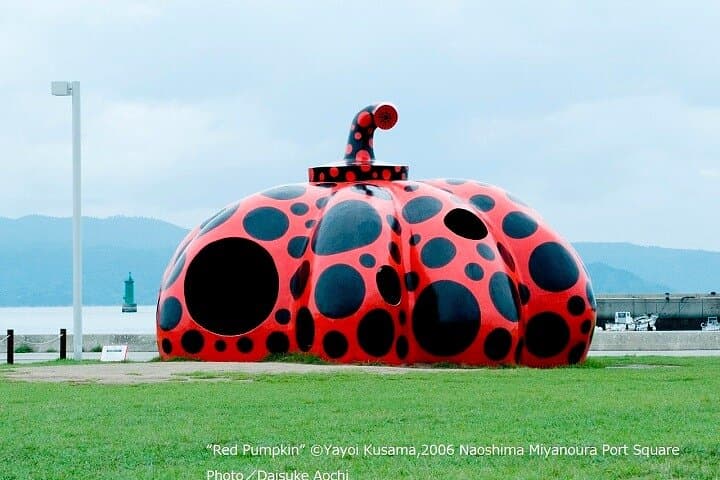
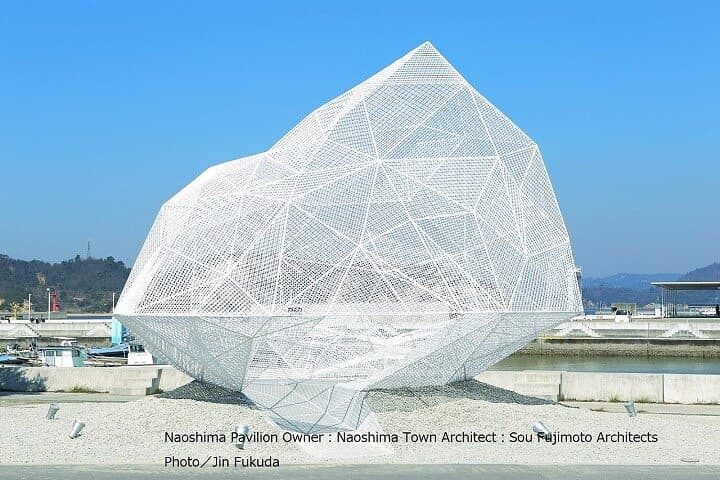
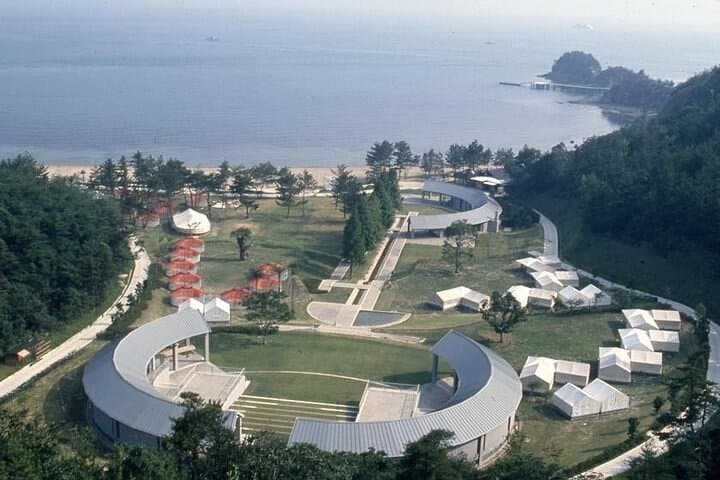
You step off the ferry into Miyanoura harbor and the red Kusama pumpkin greets you like a punctuation mark on the sea — bright, blunt, and impossible to ignore. Wind from the Seto Inland Sea moves across low scrub and concrete art pavilions; bicycles clatter into gear and the island opens into a sequence of built works, shoreline views, and narrow streets that lead into reimagined homes.
You step off the ferry into Miyanoura harbor and the red Kusama pumpkin greets you like a punctuation mark on the sea — bright, blunt, and impossible to ignore. Wind from the Seto Inland Sea moves across low scrub and concrete art pavilions; bicycles clatter into gear and the island opens into a sequence of built works, shoreline views, and narrow streets that lead into reimagined homes.
Naoshima’s recorded history stretches back to the Heian period, but its modern identity is dominated by contemporary art: Benesse House (Tadao Ando) and the Art House Project convert architecture and abandoned structures into exhibition space. The island sits within the Seto Inland Sea National Park, where rules limit visual impact and encourage museums to integrate into the ground. The Setouchi Triennale every three years amplifies Naoshima’s international draw.
Expect 10–15 km of cycling if you circumnavigate the main visitor areas, with intermittent climbs (cumulative gain roughly 150–250 m) — manageable on a power-assisted e-bike but noticeably steep in places. Highlights include Benesse House (admission JPY 1,300), the Art House Project (multi-site ticket JPY 1,050), and the distant minimalism of Chichu Art Museum (entrance JPY 2,100; online booking required). Ferries run from Uno; guide meets at Uno Station before the round-trip ferry crossing.
Practical notes: reserve Chichu early, carry water and layered clothing for changing sea breezes, and plan 6–8 hours ashore to cover key sites. If bikes are unavailable, the island’s bus connects major stops. Respect private residences, follow park signage, and expect concentrated crowds during the Triennale and summer weekends.