THE ADVENTURE COLLECTIVE® · Independent discovery and booking for outdoor travel

Cross the Seto Inland Sea to Naoshima for a focused day of contemporary art, architectural interventions and seaside e‑biking. This practical guide outlines what to expect—transport, terrain, timed museums and essential planning tips for a long, full day trip from Osaka.
Cross the Seto Inland Sea to Naoshima for a focused day of contemporary art, architectural interventions and seaside e‑biking. This practical guide outlines what to expect—transport, terrain, timed museums and essential planning tips for a long, full day trip from Osaka.
The ferry cuts across the glassy Seto Inland Sea and Naoshima appears as a low, deliberate silhouette—white concrete, clipped pines and the hint of a gentle shore. Disembarking, you feel the island’s tempo shift: the sea breathes at one pace, the galleries at another, and the e‑bike’s quiet motor invites you to move between them with ease.
Verified experiences and guided adventures in the surrounding area.
Operated by H.I.S.Co., Ltd. · Naoshima, Kagawa Prefecture
The ferry cuts across the glassy Seto Inland Sea and Naoshima appears as a low, deliberate silhouette—white concrete, clipped pines and the hint of a gentle shore. Disembarking, you feel the island’s tempo shift: the sea breathes at one pace, the galleries at another, and the e‑bike’s quiet motor invites you to move between them with ease.
Naoshima’s history stretches back to the Heian period, but the island’s modern identity is shaped by contemporary art and the architectural restraint of Kagawa Prefecture’s park rules. Tadao Ando’s concrete forms—semi‑subterranean rooms, apertures that choreograph light—frame works by Lee Ufan, Monet and installation artists who use the sea and slopes as a working backdrop. Geologically the island is part of the calm Seto Inland Sea basin: low hills, rocky headlands and sheltered coves that moderate wind and create long sightlines between museums.
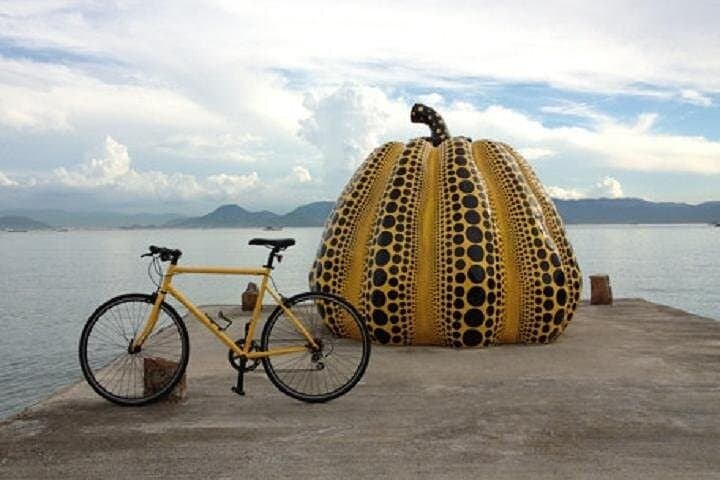
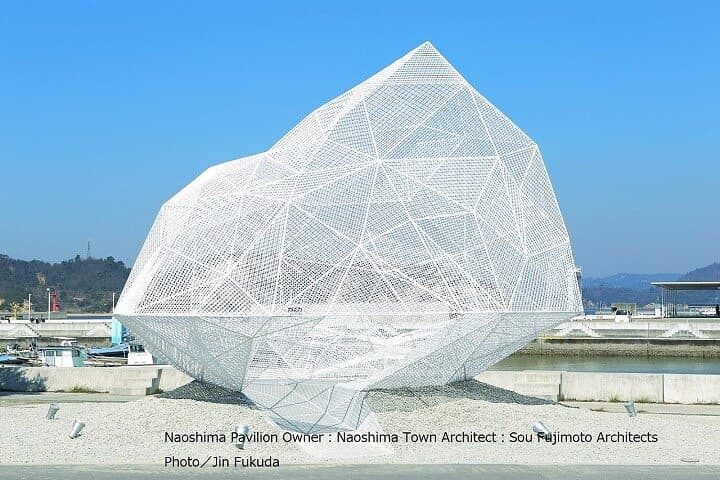
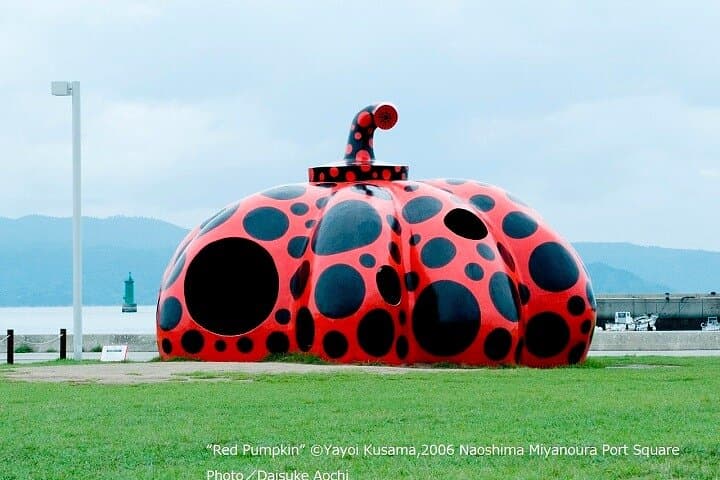
On a typical one‑day tour from Osaka you’ll travel by shinkansen and local train to Uno, ferry across, then use a rental e‑bike (or island bus) to visit Chichu Art Museum, Benesse House and Lee Ufan Museum. Expect paved roads with some steep sections—e‑assist is highly useful. Museums have timed entries and limited admissions, especially during the Setouchi Triennale; plan for waits and allow extra time for short walks to shore installations.
Practical notes: pack a compact daypack, water and a light wind/rain layer; store large luggage on the mainland. Wear close‑toed shoes for mixed pavement and gravel paths and carry cash for smaller on‑island purchases. Move deliberately—here the landscape quietly demands attention, and the art rewards slow, attentive travel.
moderate.
12–13 hours.
Good cardiovascular fitness recommended for a full day that includes cycling, walking and stairs; e‑bike lowers exertion but some stamina helps.
Yes—there’s a single main road around Naoshima and many visitors cycle the loop; note there are steep sections and narrow stretches so an e‑bike is recommended if you’re not a strong climber.
Some admissions (Lee Ufan) are included depending on the plan, but Chichu and Benesse often require separate tickets—confirm when booking and reserve timed entries if needed.
Expect roughly 3–4 hours each way including shinkansen to Uno, local train, ferry crossing and transfers—this is a long day trip so plan accordingly.
A bus option is available on the island; inform the operator in advance and note that the group will use a single transportation method during the tour.
Naoshima has human settlement records from the Heian period but its contemporary fame comes from late‑20th century arts initiatives that transformed public spaces into gallery sites.
As part of Seto Inland Sea National Park, development is tightly controlled to minimize visual impact; visitors are asked to respect signage, stick to paths and avoid leaving waste.
H.I.S.Co., Ltd. operates guided outdoor trips and adventures with an emphasis on safety, stewardship, and memorable experiences.
The ferry cuts across the glassy Seto Inland Sea and Naoshima appears as a low, deliberate silhouette—white concrete, clipped pines and the hint of a gentle shore. Disembarking, you feel the island’s tempo shift: the sea breathes at one pace, the galleries at another, and the e‑bike’s quiet motor invites you to move between them with ease.
The ferry cuts across the glassy Seto Inland Sea and Naoshima appears as a low, deliberate silhouette—white concrete, clipped pines and the hint of a gentle shore. Disembarking, you feel the island’s tempo shift: the sea breathes at one pace, the galleries at another, and the e‑bike’s quiet motor invites you to move between them with ease.
Naoshima’s history stretches back to the Heian period, but the island’s modern identity is shaped by contemporary art and the architectural restraint of Kagawa Prefecture’s park rules. Tadao Ando’s concrete forms—semi‑subterranean rooms, apertures that choreograph light—frame works by Lee Ufan, Monet and installation artists who use the sea and slopes as a working backdrop. Geologically the island is part of the calm Seto Inland Sea basin: low hills, rocky headlands and sheltered coves that moderate wind and create long sightlines between museums.
On a typical one‑day tour from Osaka you’ll travel by shinkansen and local train to Uno, ferry across, then use a rental e‑bike (or island bus) to visit Chichu Art Museum, Benesse House and Lee Ufan Museum. Expect paved roads with some steep sections—e‑assist is highly useful. Museums have timed entries and limited admissions, especially during the Setouchi Triennale; plan for waits and allow extra time for short walks to shore installations.
Practical notes: pack a compact daypack, water and a light wind/rain layer; store large luggage on the mainland. Wear close‑toed shoes for mixed pavement and gravel paths and carry cash for smaller on‑island purchases. Move deliberately—here the landscape quietly demands attention, and the art rewards slow, attentive travel.