THE ADVENTURE COLLECTIVE® · Independent discovery and booking for outdoor travel

Cycle between minimalist museums and seaside installations on Naoshima and Teshima. This two‑day tour blends art, architecture, and short ferry crossings—ideal for travelers who want a compact cultural escape with active elements.
Cycle between minimalist museums and seaside installations on Naoshima and Teshima. This two‑day tour blends art, architecture, and short ferry crossings—ideal for travelers who want a compact cultural escape with active elements.
You step off the ferry and the Seto Inland Sea opens like a quiet blue courtyard, the water nudging the hull as if to hurry you ashore. On Naoshima, concrete galleries and bright pumpkins meet sparse pines; the sea wind tugs at your jacket and the island’s minimal architecture frames each view like a curated photograph.
Verified experiences and guided adventures in the surrounding area.
Operated by H.I.S.Co., Ltd. · Naoshima, Kagawa Prefecture
You step off the ferry and the Seto Inland Sea opens like a quiet blue courtyard, the water nudging the hull as if to hurry you ashore. On Naoshima, concrete galleries and bright pumpkins meet sparse pines; the sea wind tugs at your jacket and the island’s minimal architecture frames each view like a curated photograph.
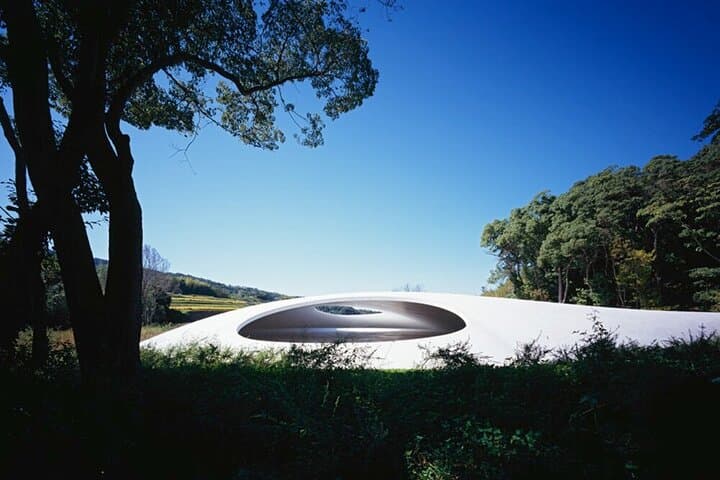
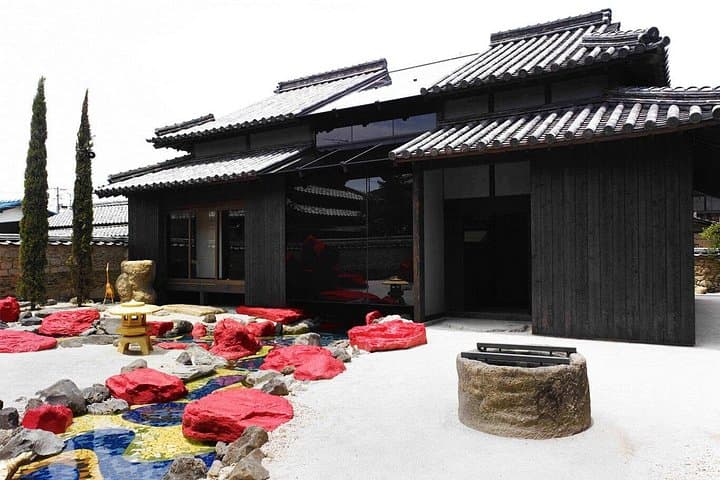
These islands have long histories—Naoshima recorded since the Heian period—but today they are defined by contemporary interventions: Tadao Ando’s concrete volumes, Benesse’s cliffside galleries, and the Art House Project’s reclaimed homes in Honmura. Geologically the islands are low, rocky outcrops of Seto Inland Sea strata; human design has been deliberately restrained under national-park rules to limit visual impact, so many museums sit low in the land or tuck into slopes.
Culturally the islands pulse with the Setouchi Triennale rhythm; outside festival years they feel calmer, more local. Expect to move between sites by bicycle (e‑bike options available) and short ferries—each crossing is part of the itinerary, not just transport. Practical reality: Chichu Art Museum requires advance online tickets, some exhibits have time limits, and the islands have steep streets that make e‑assist bikes valuable.
Bring layered clothing for sea breezes, charge devices (some museums limit photography), and allow extra time for ferry schedules and museum queuing. Hydrate on long bike stretches, plan museum reservations before the tour, and leave room in your day to wander Honmura’s narrow lanes—art here is often found in the spaces between buildings.
moderate.
2 days.
Should be in good walking and cycling shape for several hours per day; e‑bikes reduce strain on climbs.
Yes—Chichu requires online advance tickets (fee not included in some packages); reserve early to secure your entry time.
Bicycle rental or public bus fare is included; if bikes are fully booked, the tour may use buses or you can request a refund for that portion per policy.
Expect several hours of moderate walking and cycling daily, with some steep hills; e‑bikes reduce effort but basic cycling ability is recommended.
Yes—the tour includes round‑trip ferry or high‑speed boat transfers between Takamatsu (or Uno) and Naoshima.
Naoshima has recorded settlements since the Heian period, but its modern identity has been shaped by late‑20th‑century arts initiatives and architects like Tadao Ando.
As part of Seto Inland Sea National Park, development is tightly controlled to reduce visual impact; visitors are asked to respect trails and museum rules to protect fragile coastal environments.
H.I.S.Co., Ltd. operates guided outdoor trips and adventures with an emphasis on safety, stewardship, and memorable experiences.
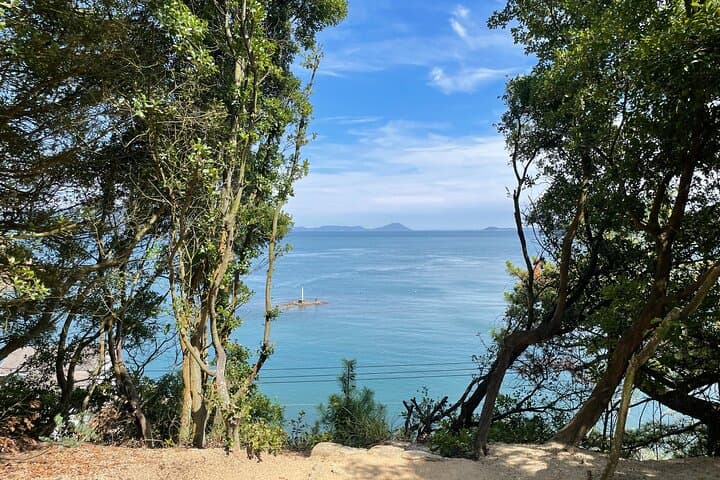
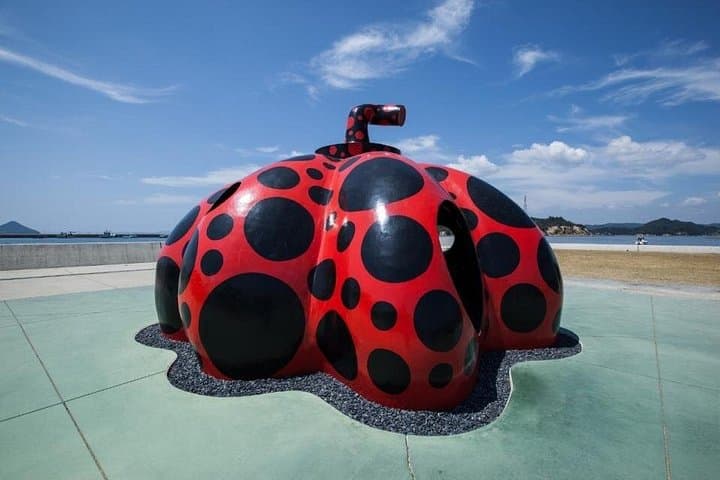
You step off the ferry and the Seto Inland Sea opens like a quiet blue courtyard, the water nudging the hull as if to hurry you ashore. On Naoshima, concrete galleries and bright pumpkins meet sparse pines; the sea wind tugs at your jacket and the island’s minimal architecture frames each view like a curated photograph.
You step off the ferry and the Seto Inland Sea opens like a quiet blue courtyard, the water nudging the hull as if to hurry you ashore. On Naoshima, concrete galleries and bright pumpkins meet sparse pines; the sea wind tugs at your jacket and the island’s minimal architecture frames each view like a curated photograph.
These islands have long histories—Naoshima recorded since the Heian period—but today they are defined by contemporary interventions: Tadao Ando’s concrete volumes, Benesse’s cliffside galleries, and the Art House Project’s reclaimed homes in Honmura. Geologically the islands are low, rocky outcrops of Seto Inland Sea strata; human design has been deliberately restrained under national-park rules to limit visual impact, so many museums sit low in the land or tuck into slopes.
Culturally the islands pulse with the Setouchi Triennale rhythm; outside festival years they feel calmer, more local. Expect to move between sites by bicycle (e‑bike options available) and short ferries—each crossing is part of the itinerary, not just transport. Practical reality: Chichu Art Museum requires advance online tickets, some exhibits have time limits, and the islands have steep streets that make e‑assist bikes valuable.
Bring layered clothing for sea breezes, charge devices (some museums limit photography), and allow extra time for ferry schedules and museum queuing. Hydrate on long bike stretches, plan museum reservations before the tour, and leave room in your day to wander Honmura’s narrow lanes—art here is often found in the spaces between buildings.