THE ADVENTURE COLLECTIVE® · Independent discovery and booking for outdoor travel

Experience the night when thousands of fireflies turn Nanacamilpa's forest into a living sky. This full-day tour from Mexico City combines cultural stops in Tlaxcala with a guided nocturnal walk in a protected firefly sanctuary.
Experience the night when thousands of fireflies turn Nanacamilpa's forest into a living sky. This full-day tour from Mexico City combines cultural stops in Tlaxcala with a guided nocturnal walk in a protected firefly sanctuary.
Night falls and the forest of Nanacamilpa breathes light: thousands of male fireflies lift into the dark like a slow, pulsing constellation. Visitors move in low voices along a dirt track while the insects claim the trees and understory, a biological light show that requires silence and patience.
Verified experiences and guided adventures in the surrounding area.
Operated by Mexitours · Nanacamilpa de Mariano Arista, Tlaxcala
Night falls and the forest of Nanacamilpa breathes light: thousands of male fireflies lift into the dark like a slow, pulsing constellation. Visitors move in low voices along a dirt track while the insects claim the trees and understory, a biological light show that requires silence and patience.
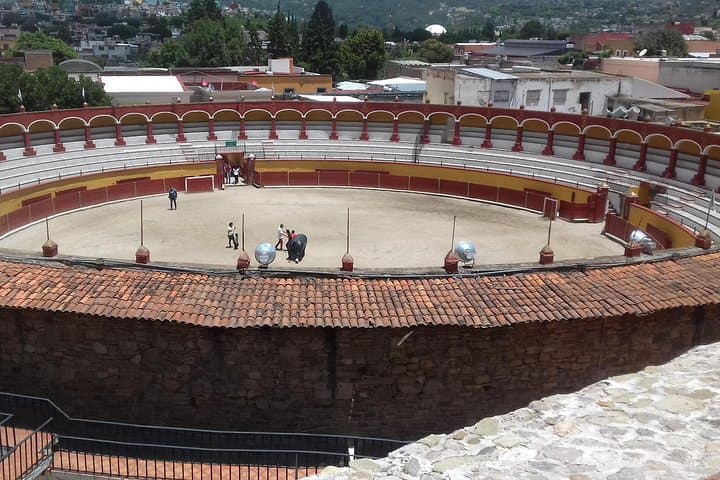
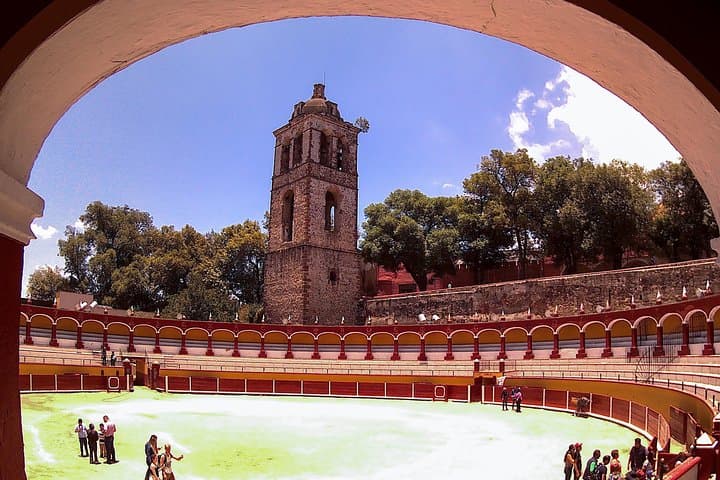
The trip pairs this natural spectacle with a daytime loop through Tlaxcala city — the Nuestra Señora de la Asuncion Cathedral and the Jorge Aguilar 'El Ranchero' bullring — and a visit to a rancho pulquero to learn about maguey varieties and aguamiel extraction. Geologically, the region sits on the volcanic highlands of central Mexico; soils retain moisture and support the semi-shaded, humid patches fireflies favor. Culturally, the area blends indigenous pulque tradition with colonial-era architecture and a local bullfighting heritage.
Practical guidance: the sanctuary covers more than 200 hectares of pine–oak and riparian corridors and the guided forest walk lasts about 90–120 minutes on uneven, dim trails at 2,200–2,600 m elevation. Light is prohibited — no flash, no lamps — and photographic permits are regulated. Expect a lot of walking at night; moderate fitness is required. Bring sturdy, waterproof footwear, layered clothing for cold nights, small cash for local admission and concessions, and a quiet respect for guides and the insects. Timing matters: avoid full-moon nights and heavy rain for the best display. The experience is fragile and seasonal, but when conditions align it feels like a living sky, brief and unforgettable.
moderate.
14 hours (full-day).
Moderate fitness needed for up to 1.5–2 hours of night walking on uneven, elevated terrain plus daytime walking.
Peak sightings typically occur late spring to early summer (roughly May–June), when humidity and breeding activity are highest; avoid full-moon nights and heavy rain.
Photography is restricted: no flash and no bright lamps; long-exposure photography may be allowed with prior authorization and sometimes an extra fee—check with the guide and the sanctuary.
The walk is strenuous for long periods on uneven terrain and in low light; it is generally recommended for children over five with good physical condition and is not suitable for those with serious mobility or cardiovascular issues.
Most tours depart Mexico City early and return the same night; the full-day itinerary normally includes transport by van, a Tlaxcala city stop, a pulque ranch visit, and the guided night walk (ask about bilingual guides and what fees are included).
Nanacamilpa's reserve protects habitats that local communities have valued for generations; nearby Tlaxcala retains colonial architecture and a long bullfighting tradition centered on El Ranchero ring.
Access is limited, lights are controlled, and fees support local management—visitors are asked to follow strict rules to protect breeding fireflies and their moist forest habitat.
Mexitours operates guided outdoor trips and adventures with an emphasis on safety, stewardship, and memorable experiences.
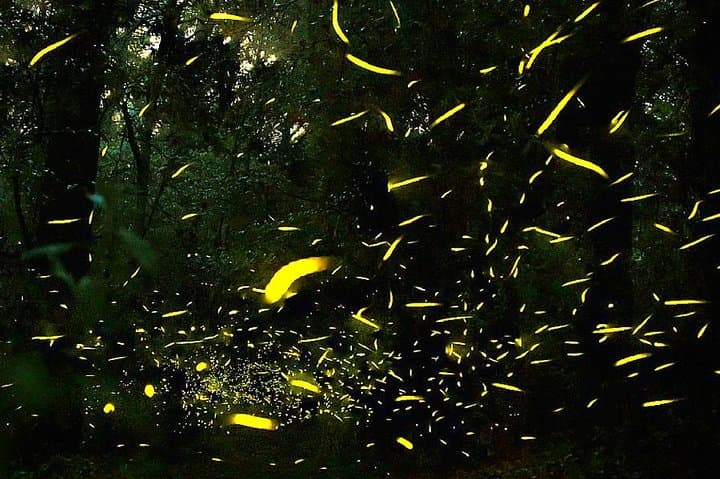

Night falls and the forest of Nanacamilpa breathes light: thousands of male fireflies lift into the dark like a slow, pulsing constellation. Visitors move in low voices along a dirt track while the insects claim the trees and understory, a biological light show that requires silence and patience.
Night falls and the forest of Nanacamilpa breathes light: thousands of male fireflies lift into the dark like a slow, pulsing constellation. Visitors move in low voices along a dirt track while the insects claim the trees and understory, a biological light show that requires silence and patience.
The trip pairs this natural spectacle with a daytime loop through Tlaxcala city — the Nuestra Señora de la Asuncion Cathedral and the Jorge Aguilar 'El Ranchero' bullring — and a visit to a rancho pulquero to learn about maguey varieties and aguamiel extraction. Geologically, the region sits on the volcanic highlands of central Mexico; soils retain moisture and support the semi-shaded, humid patches fireflies favor. Culturally, the area blends indigenous pulque tradition with colonial-era architecture and a local bullfighting heritage.
Practical guidance: the sanctuary covers more than 200 hectares of pine–oak and riparian corridors and the guided forest walk lasts about 90–120 minutes on uneven, dim trails at 2,200–2,600 m elevation. Light is prohibited — no flash, no lamps — and photographic permits are regulated. Expect a lot of walking at night; moderate fitness is required. Bring sturdy, waterproof footwear, layered clothing for cold nights, small cash for local admission and concessions, and a quiet respect for guides and the insects. Timing matters: avoid full-moon nights and heavy rain for the best display. The experience is fragile and seasonal, but when conditions align it feels like a living sky, brief and unforgettable.