THE ADVENTURE COLLECTIVE® · Independent discovery and booking for outdoor travel

Traverse Namibia from Windhoek to Sossusvlei, Fish River Canyon, Sandwich Harbour, Swakopmund, and Etosha in a six-day sweep. Expect towering dunes, expansive salt pans, concentrated wildlife, and long driving days with early starts for best light and animal activity.
Traverse Namibia from Windhoek to Sossusvlei, Fish River Canyon, Sandwich Harbour, Swakopmund, and Etosha in a six-day sweep. Expect towering dunes, expansive salt pans, concentrated wildlife, and long driving days with early starts for best light and animal activity.
A low sun washes the red dunes in slow gold as your convoy pulls away from Windhoek and the air fills with a dry, mineral tang. On day one the capital’s German-era streets and the neighbourhood of Katutura introduce the human stories—trade, migration, and the resilient markets that supply journeys into the interior.
Verified experiences and guided adventures in the surrounding area.
Operated by Dream Destination Tours and Safari · Windhoek, Khomas
A low sun washes the red dunes in slow gold as your convoy pulls away from Windhoek and the air fills with a dry, mineral tang. On day one the capital’s German-era streets and the neighbourhood of Katutura introduce the human stories—trade, migration, and the resilient markets that supply journeys into the interior.
Geology takes the lead as you cross the ancient Namib: Sossusvlei’s iron-rich dunes rise like lunging waves, Deadvlei’s bleached acacias mark a vanished clay pan, and the Fish River Canyon cuts a complex history of tectonic uplift and millennia of erosion. Sandwich Harbour rearranges the coastline where ocean meets dune, producing salt pans and brackish lagoons that attract flamingoes and wetland birds. Etosha’s wide salt pan reflects a different rhythm—seasonal water draws concentrated wildlife to limited waterholes.
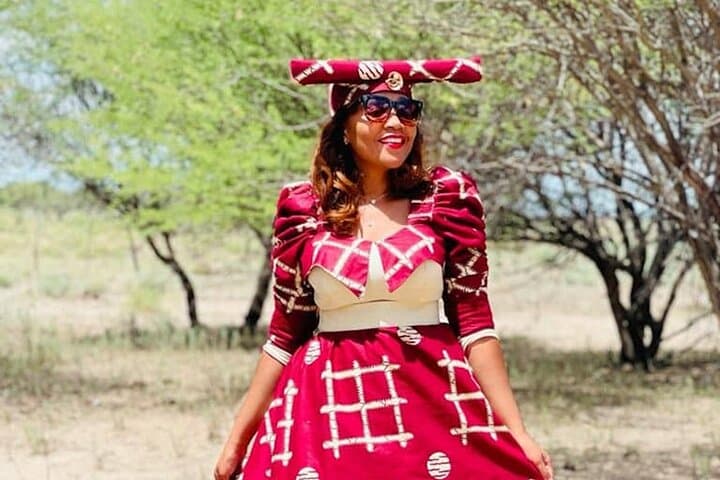
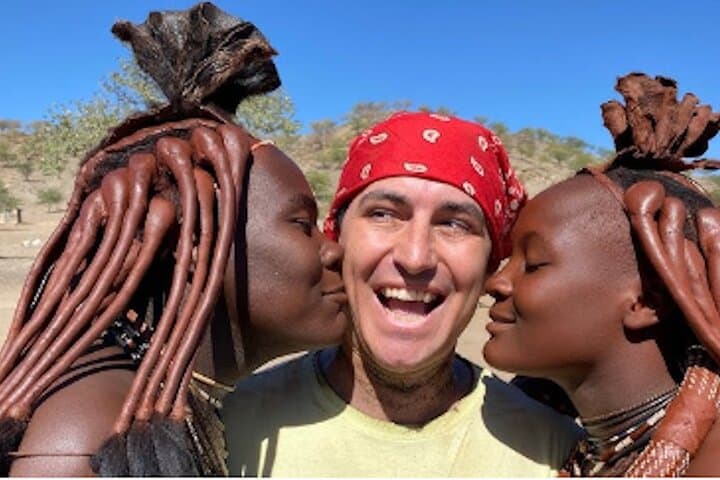
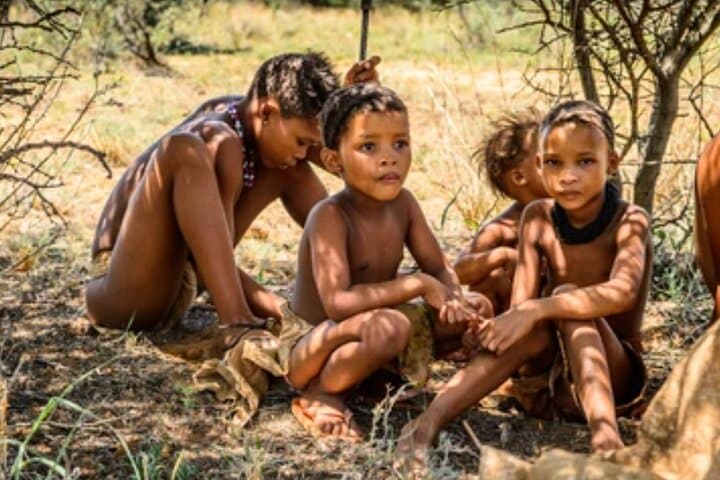
Cultural notes: expect Afrikaans and Oshiwambo influences, local guides who know tracking and seasonal cues, and simple lodge hospitality rather than luxury resorts. Practical guidance: travel distances are long—plan for several hours between sites and early starts for dune walks or game viewing. Hydration and sun protection are non-negotiable; bring layered clothing for desert nights. Footwear should be sturdy for sandy slopes and rocky rims; a headlamp and basic first-aid are useful in remote stretches.
Best times: early morning for dunes, late afternoon for canyon perspectives, and dry-season game viewing at Etosha. This itinerary balances dramatic landscapes, wildlife encounters, and cultural stops into a compact six-day sweep of Namibia’s most iconic places.
moderate.
6 days.
Suitable for travelers in regular fitness; dune climbs and rim walks require leg strength and stamina for uneven, sandy terrain.
Expect multi-hour drives: Windhoek to Sossusvlei ~4–5 hours, Sossusvlei to Swakopmund ~5 hours, and Swakopmund to Etosha ~6–7 hours depending on route and stops.
Visa and health requirements depend on nationality; check passport validity, local entry rules, and routine vaccinations—consult a travel clinic for recommended immunizations.
The operator notes the tour is not recommended for pregnant travelers; suitability for children varies by age and tolerance for long drives—confirm specifics with the provider.
Reception is intermittent outside major towns; carry cash for remote lodge purchases and plan ATM withdrawals in Windhoek or Swakopmund.
Namibia’s landscapes reflect ancient geological processes and colonial-era settlement patterns; German colonial architecture remains visible in Windhoek and Swakopmund.
Visitor pressure is managed through national park permits and lodges focusing on water conservation and wildlife-friendly guides; stick to marked roads and avoid off-track driving.
Dream Destination Tours and Safari operates guided outdoor trips and adventures with an emphasis on safety, stewardship, and memorable experiences.

A low sun washes the red dunes in slow gold as your convoy pulls away from Windhoek and the air fills with a dry, mineral tang. On day one the capital’s German-era streets and the neighbourhood of Katutura introduce the human stories—trade, migration, and the resilient markets that supply journeys into the interior.
A low sun washes the red dunes in slow gold as your convoy pulls away from Windhoek and the air fills with a dry, mineral tang. On day one the capital’s German-era streets and the neighbourhood of Katutura introduce the human stories—trade, migration, and the resilient markets that supply journeys into the interior.
Geology takes the lead as you cross the ancient Namib: Sossusvlei’s iron-rich dunes rise like lunging waves, Deadvlei’s bleached acacias mark a vanished clay pan, and the Fish River Canyon cuts a complex history of tectonic uplift and millennia of erosion. Sandwich Harbour rearranges the coastline where ocean meets dune, producing salt pans and brackish lagoons that attract flamingoes and wetland birds. Etosha’s wide salt pan reflects a different rhythm—seasonal water draws concentrated wildlife to limited waterholes.
Cultural notes: expect Afrikaans and Oshiwambo influences, local guides who know tracking and seasonal cues, and simple lodge hospitality rather than luxury resorts. Practical guidance: travel distances are long—plan for several hours between sites and early starts for dune walks or game viewing. Hydration and sun protection are non-negotiable; bring layered clothing for desert nights. Footwear should be sturdy for sandy slopes and rocky rims; a headlamp and basic first-aid are useful in remote stretches.
Best times: early morning for dunes, late afternoon for canyon perspectives, and dry-season game viewing at Etosha. This itinerary balances dramatic landscapes, wildlife encounters, and cultural stops into a compact six-day sweep of Namibia’s most iconic places.