THE ADVENTURE COLLECTIVE® · Independent discovery and booking for outdoor travel

Head underground in Namba for a short, supervised smash session where you can break small appliances and furniture with provided safety gear. It’s a brief, cathartic urban experience close to public transport and Namba’s nightlife.
Head underground in Namba for a short, supervised smash session where you can break small appliances and furniture with provided safety gear. It’s a brief, cathartic urban experience close to public transport and Namba’s nightlife.
You step down from the neon-lit streets of Namba and into a low-ceilinged room where concrete echoes and fluorescent light finds dust motes in the air. The first swing cracks like a small, private thunderclap; glass spiders the floor and an appliance gives way under momentum. It's loud, physical, and disarmingly simple — a short, focused chance to do something you never do at home.
Verified experiences and guided adventures in the surrounding area.
Operated by U2 unusual-underground · Osaka, Osaka Prefecture
You step down from the neon-lit streets of Namba and into a low-ceilinged room where concrete echoes and fluorescent light finds dust motes in the air. The first swing cracks like a small, private thunderclap; glass spiders the floor and an appliance gives way under momentum. It's loud, physical, and disarmingly simple — a short, focused chance to do something you never do at home.
The space itself sits in Osaka’s long tradition of repurposed urban basements: once storage and workshops, now leisure sites that reflect the city's post-war shift from manufacturing to experience-driven commerce. Namba’s dense streets and canal-side theaters shaped a culture that expects entertainment; this is part performance, part release. There’s no geology to admire here, only concrete and engineered safety, but the psychology of ritualized breaking ties back to centuries of collective catharsis in festivals across Japan.
Practicalities are straightforward. Sessions run about 20 minutes, with helmets, goggles, protective suits, gloves and safety shoes provided. Participants choose from fragile items, small appliances or furniture; the package listed at 5kg limits what you get to smash. Operators enforce health restrictions — not recommended for people with back, heart conditions, or pregnancy — and handle cleanup and disposal.
Plan to arrive via Namba Station (well served by subway and trains), wear long sleeves and closed-toe shoes, and schedule during off-peak hours for a quieter session. Bring a phone for photos but expect loud noise; ear protection is a good idea if you're sensitive. The experience is brief, visceral and safe when you follow the rules — an urban micro-adventure for those wanting a tidy bit of controlled chaos in the middle of Osaka.
easy.
20 minutes.
Suitable for most adults in average physical condition; not physically demanding but requires coordinated swings and standing.
The advertised session length is 20 minutes; allow extra time for check-in, safety briefing and gearing up.
Yes—helmets, goggles, masks, protective clothing, gloves and safety shoes are supplied free of charge.
Children can participate only under adult supervision and operators may require a minimum age or guardian consent; check with the provider when booking.
Operators typically provide selected items within the purchased weight/package; bringing and disposing of your own items may not be allowed—confirm ahead of time.
Namba evolved from Edo-period market streets to a 20th-century entertainment hub; many underground spaces once used for light industry now host leisure activities targeting both locals and tourists.
Operators are responsible for safe disposal of broken materials; visitors should avoid bringing additional waste and follow staff instructions to minimize environmental and safety impacts.
U2 unusual-underground operates guided outdoor trips and adventures with an emphasis on safety, stewardship, and memorable experiences.

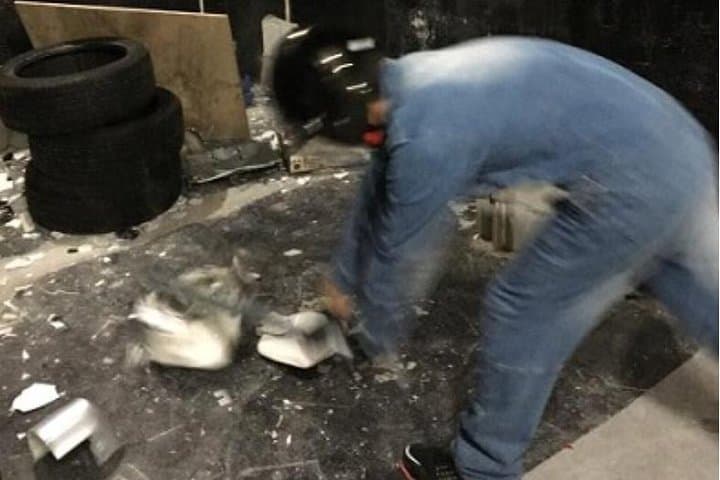

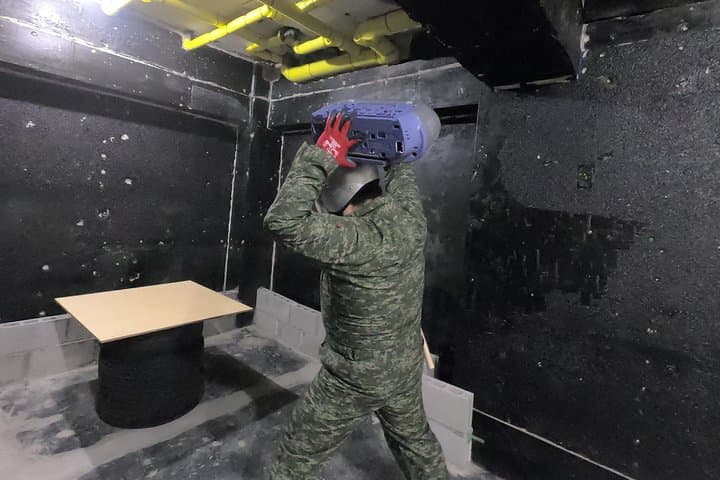
You step down from the neon-lit streets of Namba and into a low-ceilinged room where concrete echoes and fluorescent light finds dust motes in the air. The first swing cracks like a small, private thunderclap; glass spiders the floor and an appliance gives way under momentum. It's loud, physical, and disarmingly simple — a short, focused chance to do something you never do at home.
You step down from the neon-lit streets of Namba and into a low-ceilinged room where concrete echoes and fluorescent light finds dust motes in the air. The first swing cracks like a small, private thunderclap; glass spiders the floor and an appliance gives way under momentum. It's loud, physical, and disarmingly simple — a short, focused chance to do something you never do at home.
The space itself sits in Osaka’s long tradition of repurposed urban basements: once storage and workshops, now leisure sites that reflect the city's post-war shift from manufacturing to experience-driven commerce. Namba’s dense streets and canal-side theaters shaped a culture that expects entertainment; this is part performance, part release. There’s no geology to admire here, only concrete and engineered safety, but the psychology of ritualized breaking ties back to centuries of collective catharsis in festivals across Japan.
Practicalities are straightforward. Sessions run about 20 minutes, with helmets, goggles, protective suits, gloves and safety shoes provided. Participants choose from fragile items, small appliances or furniture; the package listed at 5kg limits what you get to smash. Operators enforce health restrictions — not recommended for people with back, heart conditions, or pregnancy — and handle cleanup and disposal.
Plan to arrive via Namba Station (well served by subway and trains), wear long sleeves and closed-toe shoes, and schedule during off-peak hours for a quieter session. Bring a phone for photos but expect loud noise; ear protection is a good idea if you're sensitive. The experience is brief, visceral and safe when you follow the rules — an urban micro-adventure for those wanting a tidy bit of controlled chaos in the middle of Osaka.