THE ADVENTURE COLLECTIVE® · Independent discovery and booking for outdoor travel

Walk old-growth forest and river valleys to stay with Kmu and Lanten families on a two-day cultural trek from Luang Namtha. Expect moderate hiking, village homestays, river swims and hands-on encounters with local crafts.
Walk old-growth forest and river valleys to stay with Kmu and Lanten families on a two-day cultural trek from Luang Namtha. Expect moderate hiking, village homestays, river swims and hands-on encounters with local crafts.
A low ridge opens, bamboo whispering at your shoulders, and the trail drops into a stream valley where the Namha River runs clear enough to reflect the sky. On the Nalan Trail hikers move between secondary bamboo stands and pockets of primary forest, following animal-slick paths and old logging tracks toward small Kmu and Lanten villages. The river dares you to cool off; the forest pushes you on.
Verified experiences and guided adventures in the surrounding area.
Operated by The Hiker · Luang Namtha, Luang Namtha Province
A low ridge opens, bamboo whispering at your shoulders, and the trail drops into a stream valley where the Namha River runs clear enough to reflect the sky. On the Nalan Trail hikers move between secondary bamboo stands and pockets of primary forest, following animal-slick paths and old logging tracks toward small Kmu and Lanten villages. The river dares you to cool off; the forest pushes you on.
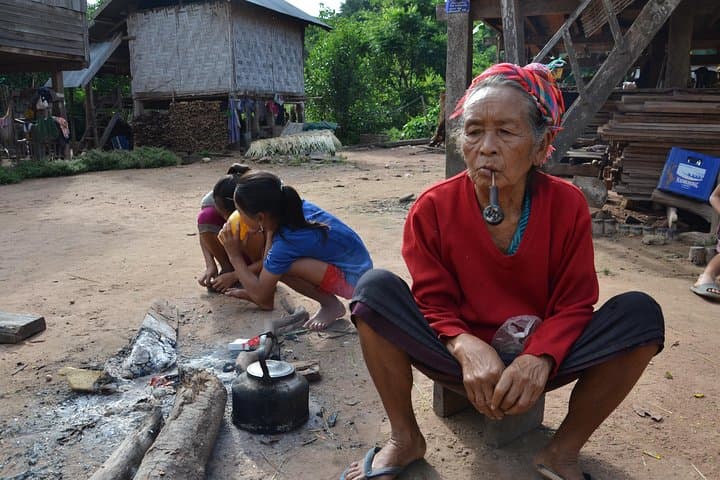
This route threads cultural history and natural history. The Kmu and Lanten peoples who live here maintain traditional weaving, natural-dye techniques and—in the dry season—bamboo paper making that dates back generations. Geologically, the area is folded, low-elevation limestone and schist, producing ridgelines and sheltered valleys where century-old trees persist inside Luang Namtha’s protected landscape.
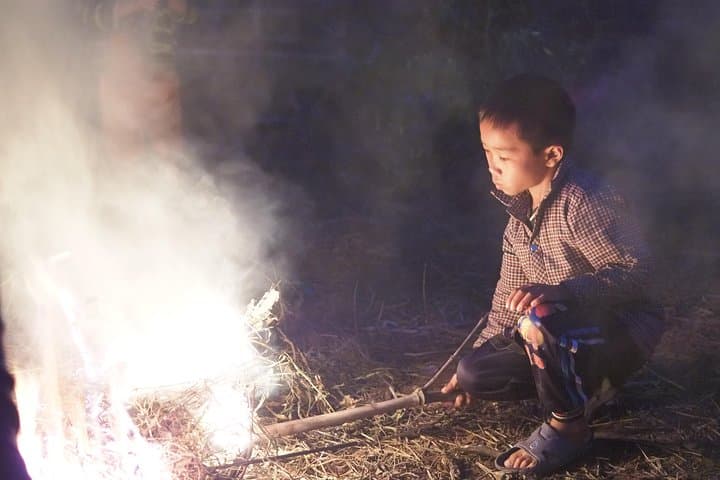
Expect 4–6 hours of walking per day, roughly 8–12 km daily with intermittent climbs and descents (moderate elevation change). Trails are a mix of packed dirt, root-laced singletrack and occasional riverbank. Evenings are homestay practicalities: shared meals, simple sleeping arrangements, and local-firelight conversation.
Practical guidance: travel light but bring a rain layer for sudden showers, waterproof your electronics, and carry at least 2 liters of water with purification options. Respect village customs—ask before photographing people and accept invitations to join daily tasks. Guides coordinate transport and fees; bring cash for small purchases and donations. This is a short, culturally rich trek: active, accessible, and rooted in community-based tourism that supports local conservation.
moderate.
2 days (4–6 hours walking per day).
Moderately fit—able to walk uneven trails for several hours with a daypack and negotiate short climbs and descents.
The trek is moderate—suitable for beginners who have regular walking fitness; expect 4–6 hours of hiking each day with some uphill sections.
Yes—local breakfasts, lunches and dinners and homestay or eco-lodging are included, along with sleeping gear and community/park fees.
Connectivity is limited in villages; mobile signal is intermittent—plan accordingly and bring offline maps or printed confirmations.
Many guests swim when conditions are calm; check with the guide for currents and local safety advice before entering the water.
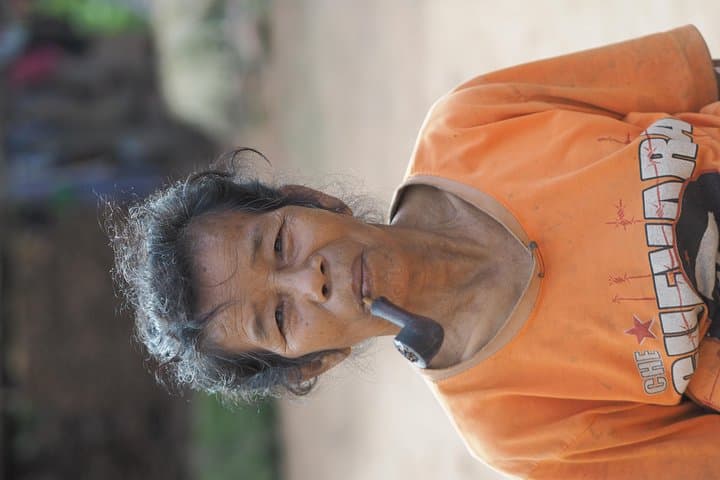
The Kmu and Lanten communities in Luang Namtha maintain distinct textile and dyeing traditions; Lanten people trace cultural ties to southwest China, reflected in dress and bamboo crafts.
Community-based tourism fees contribute to local conservation funds; visitors should follow leave-no-trace practices and avoid disturbing wildlife or cultural sites.
The Hiker operates guided outdoor trips and adventures with an emphasis on safety, stewardship, and memorable experiences.
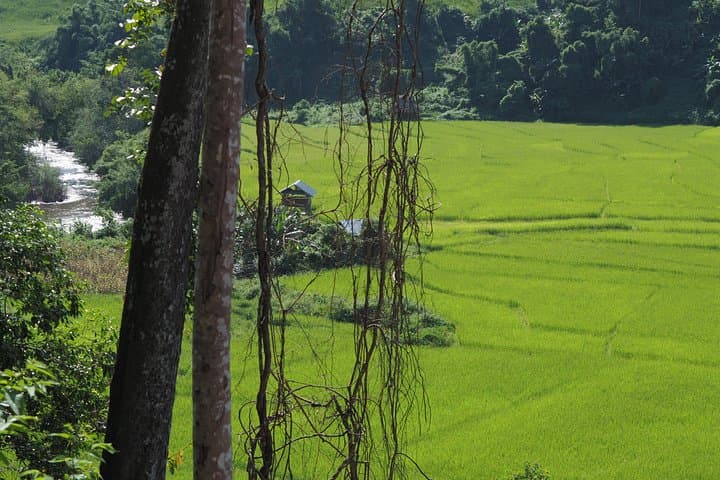
A low ridge opens, bamboo whispering at your shoulders, and the trail drops into a stream valley where the Namha River runs clear enough to reflect the sky. On the Nalan Trail hikers move between secondary bamboo stands and pockets of primary forest, following animal-slick paths and old logging tracks toward small Kmu and Lanten villages. The river dares you to cool off; the forest pushes you on.
A low ridge opens, bamboo whispering at your shoulders, and the trail drops into a stream valley where the Namha River runs clear enough to reflect the sky. On the Nalan Trail hikers move between secondary bamboo stands and pockets of primary forest, following animal-slick paths and old logging tracks toward small Kmu and Lanten villages. The river dares you to cool off; the forest pushes you on.
This route threads cultural history and natural history. The Kmu and Lanten peoples who live here maintain traditional weaving, natural-dye techniques and—in the dry season—bamboo paper making that dates back generations. Geologically, the area is folded, low-elevation limestone and schist, producing ridgelines and sheltered valleys where century-old trees persist inside Luang Namtha’s protected landscape.
Expect 4–6 hours of walking per day, roughly 8–12 km daily with intermittent climbs and descents (moderate elevation change). Trails are a mix of packed dirt, root-laced singletrack and occasional riverbank. Evenings are homestay practicalities: shared meals, simple sleeping arrangements, and local-firelight conversation.
Practical guidance: travel light but bring a rain layer for sudden showers, waterproof your electronics, and carry at least 2 liters of water with purification options. Respect village customs—ask before photographing people and accept invitations to join daily tasks. Guides coordinate transport and fees; bring cash for small purchases and donations. This is a short, culturally rich trek: active, accessible, and rooted in community-based tourism that supports local conservation.