
Nalan Trail & Khmu Homestay Trek — 2-Day Nam Ha NPA Jungle Experience
A two-day trek from Luang Namtha into Nam Ha NPA that pairs rainforest hiking with an overnight Khmu homestay. Expect river valleys, steep jungle tracks, community activities and authentic village life.
An Adventure In Luang Namtha.
A two-day trek from Luang Namtha into Nam Ha NPA that pairs rainforest hiking with an overnight Khmu homestay. Expect river valleys, steep jungle tracks, community activities and authentic village life.
Read the full experience
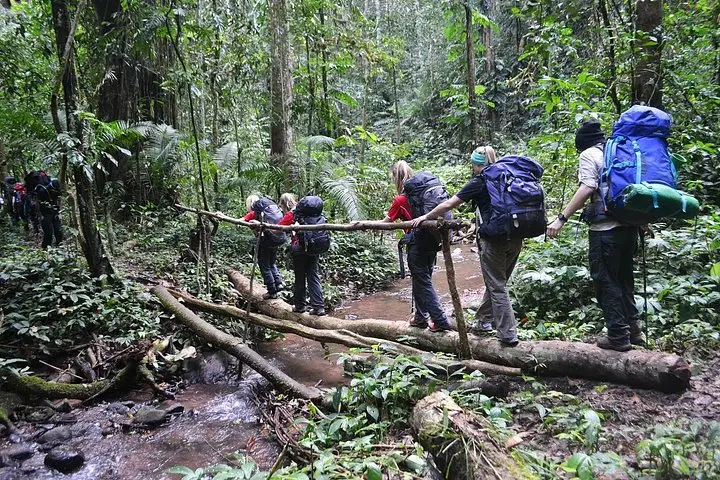
You step off the minivan at Doiluckkham and the road noise falls away—only the river and the canopy fill the air. The Nalan Trail threads into upland rainforest where roots and vines set the cadence; the Nam Ha River dares you to look back while the jungle pushes you forward. By late afternoon you arrive at a Khmu homestay, the wood-smoked scent of dinner drifting through the compound.
You step off the minivan at Doiluckkham and the road noise falls away—only the river and the canopy fill the air. The Nalan Trail threads into upland rainforest where roots and vines set the cadence; the Nam Ha River dares you to look back while the jungle pushes you forward. By late afternoon you arrive at a Khmu homestay, the wood-smoked scent of dinner drifting through the compound.
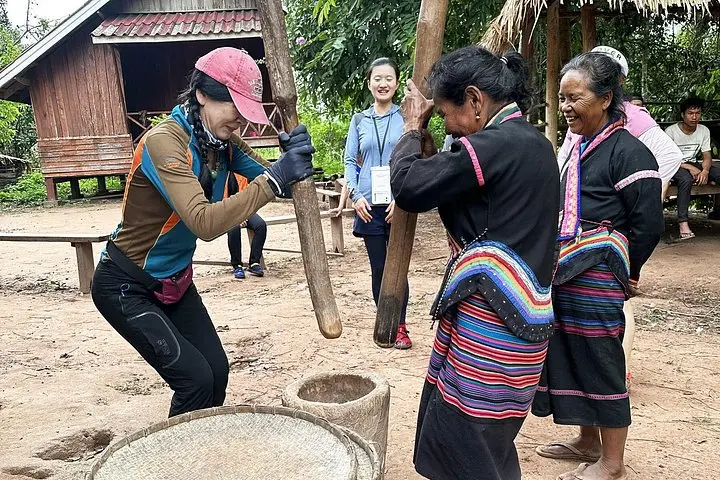
Nam Ha National Protected Area is one of northern Laos’s best-preserved lowland rainforests, carved by limestone outcrops and meandering rivers. The Khmu and Lanten people have lived in these valleys for generations; their crossbow techniques, rice pounding rituals, and weaving speak to a subsistence culture adapted to seasonal floods and monsoon rhythms. Geologically, the trail alternates between secondary forest and patches of older, more complex canopy where erosion has left exposed roots and boulder fields.
Expect 3–6 hours of walking each day on uneven, sometimes steep terrain, with cultural stops in small minority villages. The itinerary balances river flats, uphill stretches, and forest track; guides arrange community-led activities and a homestay overnight.
Practical guidance: pack a lightweight rain jacket and sturdy boots for muddy climbs, bring insect protection and water purification, and carry cash for small purchases and tips. Respect local customs—ask before photographing people and accept invitations to participate in village tasks. Timing matters: travel in the drier months for firmer trails, or embrace the green season for full rivers and rice paddies. This is a short, immersive trek that blends wilderness walking with culturally rich homestays—hands-on, grounded, and approachable for moderately fit travelers.
Frequently asked questions
Moderate fitness is required; expect 3–6 hours of walking each day over uneven and sometimes steep terrain—regular walkers will be comfortable.
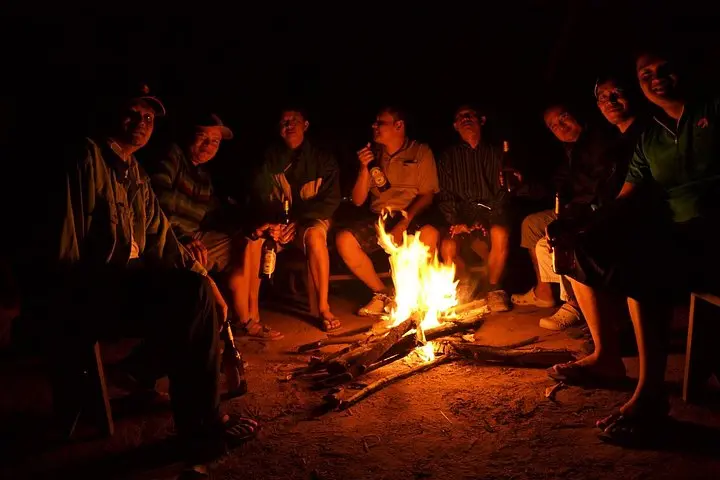
Homestays are simple: shared sleeping areas on mats or beds, basic mosquito nets, and communal bathrooms—bring a light sleeping sheet if you prefer.
Trails can become muddy and slippery in the monsoon; river crossings may be more challenging—travel is possible but slower and requires caution.
Meals (2 lunches, 1 dinner, 1 breakfast) and drinking water are included on the itinerary, but carry extra snacks and any specialty food you require.
About This Experience
Phou Iu Travel & Ecotourism operates guided outdoor trips and adventures with an emphasis on safety, stewardship, and memorable experiences.
Adventure tips
Recommended gear
- Water purification (tablets or filter): Ensures safe drinking water when refilling from streams or village supplies.
- Waterproof rain jacket: Lightweight protection for sudden tropical downpours on the trail.
- Sturdy hiking boots: Support and grip on muddy, root-filled and occasionally steep paths.
- Headlamp with spare batteries: Useful for homestay evenings and early starts when light is limited.
Photos of the experience
Related adventures & guides
Read the full experience
You step off the minivan at Doiluckkham and the road noise falls away—only the river and the canopy fill the air. The Nalan Trail threads into upland rainforest where roots and vines set the cadence; the Nam Ha River dares you to look back while the jungle pushes you forward. By late afternoon you arrive at a Khmu homestay, the wood-smoked scent of dinner drifting through the compound.
You step off the minivan at Doiluckkham and the road noise falls away—only the river and the canopy fill the air. The Nalan Trail threads into upland rainforest where roots and vines set the cadence; the Nam Ha River dares you to look back while the jungle pushes you forward. By late afternoon you arrive at a Khmu homestay, the wood-smoked scent of dinner drifting through the compound.
Nam Ha National Protected Area is one of northern Laos’s best-preserved lowland rainforests, carved by limestone outcrops and meandering rivers. The Khmu and Lanten people have lived in these valleys for generations; their crossbow techniques, rice pounding rituals, and weaving speak to a subsistence culture adapted to seasonal floods and monsoon rhythms. Geologically, the trail alternates between secondary forest and patches of older, more complex canopy where erosion has left exposed roots and boulder fields.
Expect 3–6 hours of walking each day on uneven, sometimes steep terrain, with cultural stops in small minority villages. The itinerary balances river flats, uphill stretches, and forest track; guides arrange community-led activities and a homestay overnight.
Practical guidance: pack a lightweight rain jacket and sturdy boots for muddy climbs, bring insect protection and water purification, and carry cash for small purchases and tips. Respect local customs—ask before photographing people and accept invitations to participate in village tasks. Timing matters: travel in the drier months for firmer trails, or embrace the green season for full rivers and rice paddies. This is a short, immersive trek that blends wilderness walking with culturally rich homestays—hands-on, grounded, and approachable for moderately fit travelers.
Make a day of it nearby.
Verified experiences and guided adventures in the surrounding area.