THE ADVENTURE COLLECTIVE® · Independent discovery and booking for outdoor travel

Step off a private dhow onto a temporary cloud of white sand off Stone Town. Nakupenda Sandbank offers shallow snorkeling, a beach-cooked seafood lunch, and a tidal playground for a half-day escape.
Step off a private dhow onto a temporary cloud of white sand off Stone Town. Nakupenda Sandbank offers shallow snorkeling, a beach-cooked seafood lunch, and a tidal playground for a half-day escape.
A low-slung dhow cuts through glassy turquoise, depositing a small party onto a ribbon of white sand that appears only when the tide agrees. The air smells of salt and grilled fish; palms nod on distant shorelines. On Nakupenda Sandbank the ocean becomes a stage — shallow pools mirror the sky and reef hummings dare you to wade farther.
Verified experiences and guided adventures in the surrounding area.
Operated by COASTLINE TOURS AND TRAVEL · Stone Town, Unguja
A low-slung dhow cuts through glassy turquoise, depositing a small party onto a ribbon of white sand that appears only when the tide agrees. The air smells of salt and grilled fish; palms nod on distant shorelines. On Nakupenda Sandbank the ocean becomes a stage — shallow pools mirror the sky and reef hummings dare you to wade farther.
Geologically the sandbank is a transient feature created by tidal rhythms and offshore currents that pile fine coral sand onto a reef shelf. Culturally it sits just west of Stone Town, the historic Swahili port whose alleyways tell stories of trade, Omani influence, and the island’s complex past. “Nakupenda” means “I love you” in Swahili, a name travelers quickly understand when the setting sun turns the sand a soft gold.
Visitors can expect 3–4 hours ashore in calm, shallow water: swimming, snorkeling over patches of living coral, beachcombing, and a seafood lunch cooked on the sand. The experience is private and pace-controlled — guides prepare lunch, point out reef features, and time the visit around tides.
Practical guidance: depart from the Old Fort area in Stone Town; low tide reveals the best sandbank. Bring reef-safe sunscreen, a light cover for sun protection, and water shoes for access over broken coral. If prone to seasickness, pick early departures when the water is calmer. Respect the reef: avoid standing on coral and take any trash back to shore. Nakupenda is a short, luminous escape — brief, seasonal, and unforgettable when tides cooperate.
moderate.
3–4 hours.
Moderate fitness for short boat transfer, some wading and standing during snorkeling and beach activities.
Transfer to the sandbank is typically 15–30 minutes from the Stone Town coastline depending on sea conditions and the exact departure point.
Yes — the shallow water is generally family-friendly, but children should be supervised around currents and coral; inform the operator of ages beforehand.
Yes — the sandbank is visible only around low tide and trips can be canceled for rough weather; operators usually monitor conditions and will reschedule when possible.
Most private dhow tours include snorkeling equipment, refreshments, and a beach lunch, but confirm gear sizes and dietary requirements when booking.
Nakupenda lies off Stone Town, the historic Swahili trading port where Arab, African, Persian and Indian influences shaped the island’s culture and architecture.
The reef and sandbank are sensitive; avoid standing on coral, use reef-safe products, and take all trash back to Stone Town to protect the ecosystem.
COASTLINE TOURS AND TRAVEL operates guided outdoor trips and adventures with an emphasis on safety, stewardship, and memorable experiences.

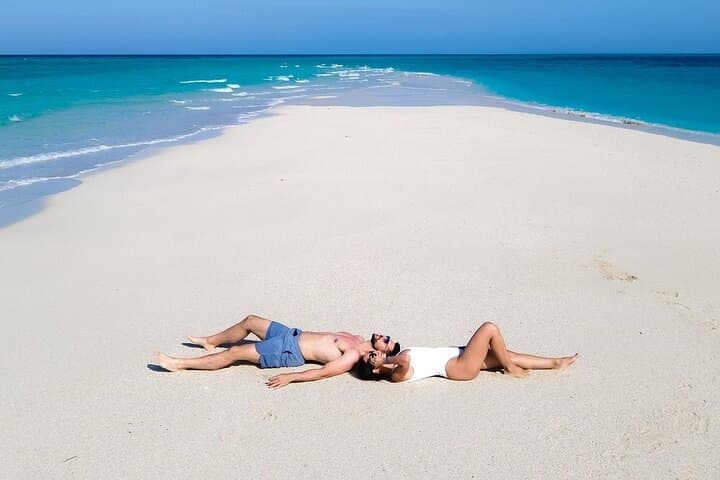
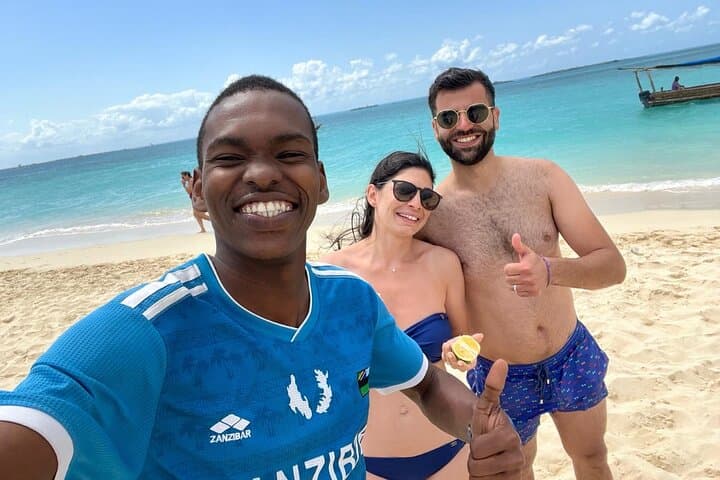
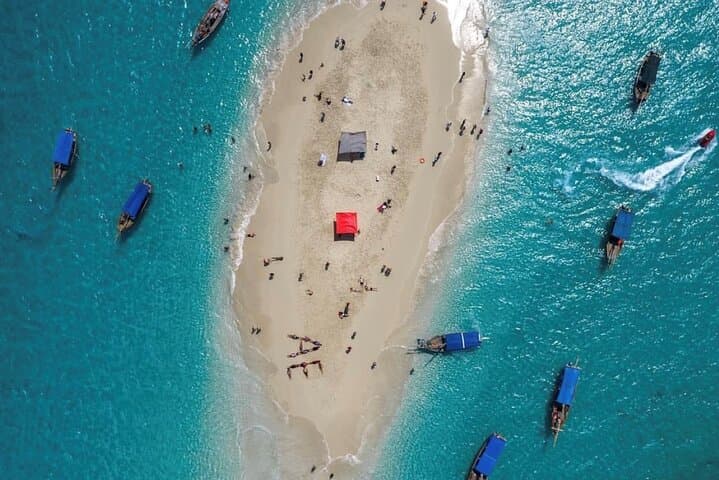
A low-slung dhow cuts through glassy turquoise, depositing a small party onto a ribbon of white sand that appears only when the tide agrees. The air smells of salt and grilled fish; palms nod on distant shorelines. On Nakupenda Sandbank the ocean becomes a stage — shallow pools mirror the sky and reef hummings dare you to wade farther.
A low-slung dhow cuts through glassy turquoise, depositing a small party onto a ribbon of white sand that appears only when the tide agrees. The air smells of salt and grilled fish; palms nod on distant shorelines. On Nakupenda Sandbank the ocean becomes a stage — shallow pools mirror the sky and reef hummings dare you to wade farther.
Geologically the sandbank is a transient feature created by tidal rhythms and offshore currents that pile fine coral sand onto a reef shelf. Culturally it sits just west of Stone Town, the historic Swahili port whose alleyways tell stories of trade, Omani influence, and the island’s complex past. “Nakupenda” means “I love you” in Swahili, a name travelers quickly understand when the setting sun turns the sand a soft gold.
Visitors can expect 3–4 hours ashore in calm, shallow water: swimming, snorkeling over patches of living coral, beachcombing, and a seafood lunch cooked on the sand. The experience is private and pace-controlled — guides prepare lunch, point out reef features, and time the visit around tides.
Practical guidance: depart from the Old Fort area in Stone Town; low tide reveals the best sandbank. Bring reef-safe sunscreen, a light cover for sun protection, and water shoes for access over broken coral. If prone to seasickness, pick early departures when the water is calmer. Respect the reef: avoid standing on coral and take any trash back to shore. Nakupenda is a short, luminous escape — brief, seasonal, and unforgettable when tides cooperate.