THE ADVENTURE COLLECTIVE® · Independent discovery and booking for outdoor travel

Join local fans for an intimate 5‑hour dive into Nakayama Racecourse’s race‑day culture—learn to read the paddock, use Japanese betting machines, and sample classic racecourse food. Ideal for curious travelers who want a guided, small‑group introduction to Tokyo horse racing.
Join local fans for an intimate 5‑hour dive into Nakayama Racecourse’s race‑day culture—learn to read the paddock, use Japanese betting machines, and sample classic racecourse food. Ideal for curious travelers who want a guided, small‑group introduction to Tokyo horse racing.
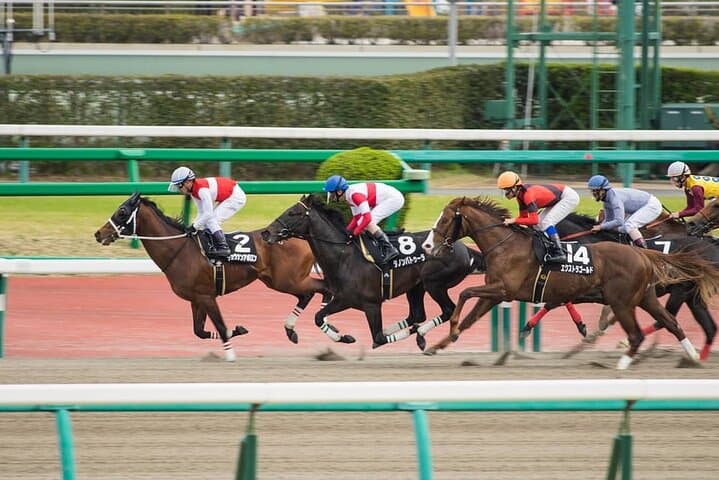
A low sun slides across the broad green of the turf as recorded announcements and murmurs from the grandstand layer over the thud of hooves—this is Nakayama on a race day. Visitors join a small local-led group, step through the gates, and find themselves beside fans who treat betting slips like conversation pieces and food stalls like a ritual.
Verified experiences and guided adventures in the surrounding area.
Operated by Japan Traditional Travel · Funabashi, Chiba
A low sun slides across the broad green of the turf as recorded announcements and murmurs from the grandstand layer over the thud of hooves—this is Nakayama on a race day. Visitors join a small local-led group, step through the gates, and find themselves beside fans who treat betting slips like conversation pieces and food stalls like a ritual.
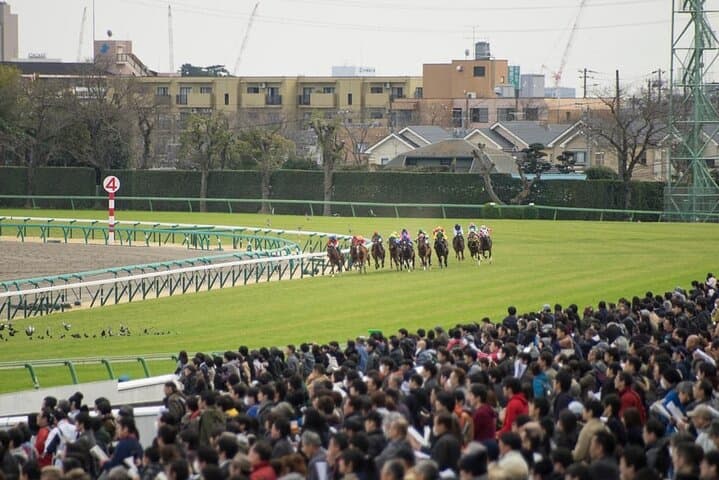
Nakayama Racecourse, operated by the Japan Racing Association, has been part of Greater Tokyo’s sporting calendar for more than a century and hosts key spring classics and prominent winter races. The track sits on reclaimed land in Funabashi, Chiba; the flat, fast turf favours tactical rides and makes close finishes common. The crowd culture blends decades-old patron traditions with modern convenience—portable betting machines, standing terraces, and a surprising variety of racecourse cuisine.
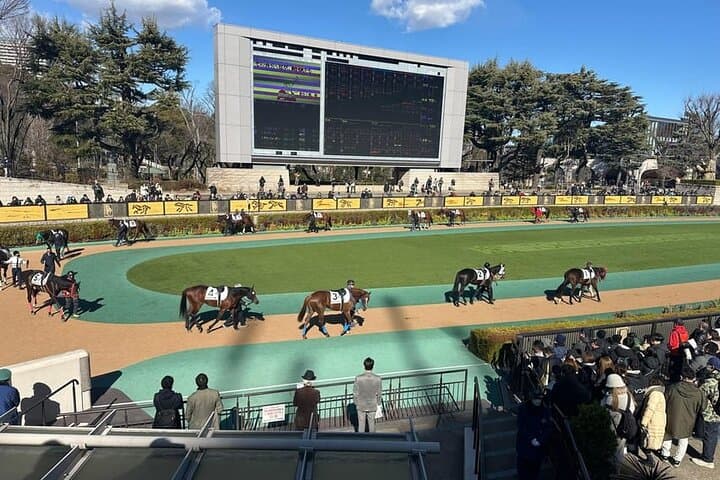
Expect an educational, social outing: guides explain how to read the paddock, interpret odds, and use Japanese betting kiosks while pointing out where local fans gather to discuss form. Between races, stalls sell yakitori, curry, and beer; the atmosphere is convivial rather than rowdy.
Practical details matter: meet in central Tokyo for an easy rail journey, bring cash or an IC card for transit and purchases, and wear comfortable shoes for walking between stands. If you plan to bet, start small and follow your guide’s instructions to use the machines. Reserve this for a day when you want a focused cultural experience that’s part sport, part neighborhood festival.
easy.
5 hours.
Light to moderate—able to stand or walk short distances and navigate stairs or terraces.
No—guides provide English explanations of racing basics and betting machines; learning a few race terms helps but isn’t required.
No—you’ll receive guidance on how to place bets but you pay wagers and food separately.
Minors can attend but cannot bet or buy alcohol; infants are allowed but must sit on an adult’s lap.
Races can continue in light rain; the tour follows scheduled events and organizers will advise on cancellations or significant weather delays.
Nakayama Racecourse, run by the Japan Racing Association, has hosted major Japanese flat races for over a century and remains central to Tokyo’s racing calendar.
Racecourses manage turf carefully; stick to designated paths, dispose of waste at provided bins, and follow staff directions to minimize disturbance to horses and grounds.
Japan Traditional Travel operates guided outdoor trips and adventures with an emphasis on safety, stewardship, and memorable experiences.

A low sun slides across the broad green of the turf as recorded announcements and murmurs from the grandstand layer over the thud of hooves—this is Nakayama on a race day. Visitors join a small local-led group, step through the gates, and find themselves beside fans who treat betting slips like conversation pieces and food stalls like a ritual.
A low sun slides across the broad green of the turf as recorded announcements and murmurs from the grandstand layer over the thud of hooves—this is Nakayama on a race day. Visitors join a small local-led group, step through the gates, and find themselves beside fans who treat betting slips like conversation pieces and food stalls like a ritual.
Nakayama Racecourse, operated by the Japan Racing Association, has been part of Greater Tokyo’s sporting calendar for more than a century and hosts key spring classics and prominent winter races. The track sits on reclaimed land in Funabashi, Chiba; the flat, fast turf favours tactical rides and makes close finishes common. The crowd culture blends decades-old patron traditions with modern convenience—portable betting machines, standing terraces, and a surprising variety of racecourse cuisine.
Expect an educational, social outing: guides explain how to read the paddock, interpret odds, and use Japanese betting kiosks while pointing out where local fans gather to discuss form. Between races, stalls sell yakitori, curry, and beer; the atmosphere is convivial rather than rowdy.
Practical details matter: meet in central Tokyo for an easy rail journey, bring cash or an IC card for transit and purchases, and wear comfortable shoes for walking between stands. If you plan to bet, start small and follow your guide’s instructions to use the machines. Reserve this for a day when you want a focused cultural experience that’s part sport, part neighborhood festival.