THE ADVENTURE COLLECTIVE® · Independent discovery and booking for outdoor travel

Walk Tokyo's fashionable north‑west arc from Denenchofu's quiet, English‑inspired streets to Nakameguro's river galleries and Daikanyama's design‑led shops. This 4–5 hour private tour blends intimate gallery visits with time for cafés and bookstore browsing.
Walk Tokyo's fashionable north‑west arc from Denenchofu's quiet, English‑inspired streets to Nakameguro's river galleries and Daikanyama's design‑led shops. This 4–5 hour private tour blends intimate gallery visits with time for cafés and bookstore browsing.
You step off the Tokyu Toyoko Line into a quiet courtyard of houses, the air carrying a faint scent of river water and roasted coffee. The tour unfurls like a local's day out: a compact gallery in a Japanese-style house in Denenchofu, a stroll past cherry‑tree framed waterways in Nakameguro, and a pause for books and design at Daikanyama's T‑Site.
Verified experiences and guided adventures in the surrounding area.
Operated by Kumiko · Tokyo, Tokyo
You step off the Tokyu Toyoko Line into a quiet courtyard of houses, the air carrying a faint scent of river water and roasted coffee. The tour unfurls like a local's day out: a compact gallery in a Japanese-style house in Denenchofu, a stroll past cherry‑tree framed waterways in Nakameguro, and a pause for books and design at Daikanyama's T‑Site.
Denenchofu was developed in the early 20th century on the Tamagawa terraces with English garden‑city ideas—wide streets and green setbacks that still give it a residential calm. Nakameguro grew around the Meguro River; its walkable banks and low bridges became a modern focal point for small galleries and boutiques. Daikanyama's bookstores and design shops reflect Tokyo's postwar shift toward curated lifestyle districts; nearby lacquerware houses like Yamada Heiando carry nearly a century of craft tradition.
The tour moves at pedestrian pace across neighborhoods, mixing indoor gallery visits with outdoor strolls and café stops. Practicalities: plan 4–5 hours, use a Suica/Pasmo card for trains, and expect a few short walks of flat pavement and stair access in older buildings. Wheelchair and stroller access is noted at many spots, but some small galleries occupy traditional houses with limited step‑free access.
Timing matters: mid‑afternoon is best for cafés and quieter galleries; sakura season brings crowds along Meguro River. Bring comfortable shoes, a charged phone for maps, and an appetite for slow discovery—this is a tour built around detail and small pleasures rather than landmark grandiosity.
easy.
4–5 hours.
Suitable for most fitness levels; requires several hours of standing and 3–5 miles of walking at an easy pace
The private tour runs about 4–5 hours and moves at a relaxed, walkable pace with multiple short gallery stops and café breaks.
Most small galleries and visits are included as per the itinerary, but check if private exhibitions require separate tickets or donations.
Many locations note accessibility, but some traditional houses and small galleries have steps—advise the operator of accessibility needs when booking.
Weekday mornings or mid‑afternoons outside cherry‑blossom peak will be quieter; sakura season draws significantly larger crowds along the Meguro River.
Denenchofu was planned in the early 1900s with English garden‑city principles, creating the residential, tree‑lined streets you see today; Daikanyama and Nakameguro evolved postwar into curated lifestyle districts.
Support local businesses by buying small items and following rules around photography; avoid littering along riverbanks and use designated smoking areas.
Kumiko operates guided outdoor trips and adventures with an emphasis on safety, stewardship, and memorable experiences.

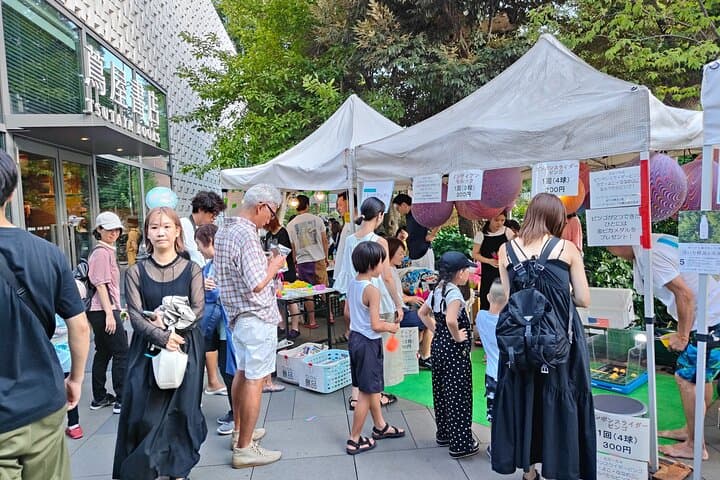

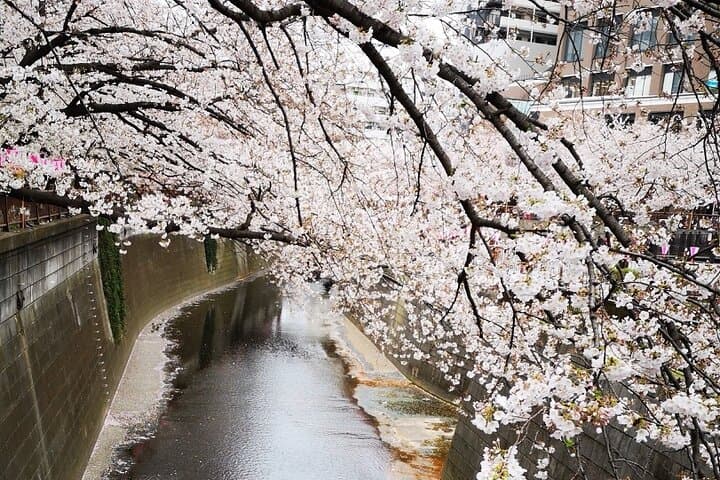
You step off the Tokyu Toyoko Line into a quiet courtyard of houses, the air carrying a faint scent of river water and roasted coffee. The tour unfurls like a local's day out: a compact gallery in a Japanese-style house in Denenchofu, a stroll past cherry‑tree framed waterways in Nakameguro, and a pause for books and design at Daikanyama's T‑Site.
You step off the Tokyu Toyoko Line into a quiet courtyard of houses, the air carrying a faint scent of river water and roasted coffee. The tour unfurls like a local's day out: a compact gallery in a Japanese-style house in Denenchofu, a stroll past cherry‑tree framed waterways in Nakameguro, and a pause for books and design at Daikanyama's T‑Site.
Denenchofu was developed in the early 20th century on the Tamagawa terraces with English garden‑city ideas—wide streets and green setbacks that still give it a residential calm. Nakameguro grew around the Meguro River; its walkable banks and low bridges became a modern focal point for small galleries and boutiques. Daikanyama's bookstores and design shops reflect Tokyo's postwar shift toward curated lifestyle districts; nearby lacquerware houses like Yamada Heiando carry nearly a century of craft tradition.
The tour moves at pedestrian pace across neighborhoods, mixing indoor gallery visits with outdoor strolls and café stops. Practicalities: plan 4–5 hours, use a Suica/Pasmo card for trains, and expect a few short walks of flat pavement and stair access in older buildings. Wheelchair and stroller access is noted at many spots, but some small galleries occupy traditional houses with limited step‑free access.
Timing matters: mid‑afternoon is best for cafés and quieter galleries; sakura season brings crowds along Meguro River. Bring comfortable shoes, a charged phone for maps, and an appetite for slow discovery—this is a tour built around detail and small pleasures rather than landmark grandiosity.