THE ADVENTURE COLLECTIVE® · Independent discovery and booking for outdoor travel

Spend a full day exploring Nairobi’s wildlife highlights: crocodiles at Mamba Village, orphaned elephants at the Sheldrick Sanctuary, giraffe feeding at the Giraffe Centre, and a game drive through Nairobi National Park. This guided circuit blends close encounters with conservation context and practical logistics for a full‑day urban‑savanna experience.
Spend a full day exploring Nairobi’s wildlife highlights: crocodiles at Mamba Village, orphaned elephants at the Sheldrick Sanctuary, giraffe feeding at the Giraffe Centre, and a game drive through Nairobi National Park. This guided circuit blends close encounters with conservation context and practical logistics for a full‑day urban‑savanna experience.
You climb into a pop‑up‑roof van at 8 a.m., Nairobi already brightening as the city edges into the plains. The van hums toward Mamba Village, where Nile crocodiles mark the waterline and a guide points out scutes and hunting posture—cold skins moving like timers. By late morning the David Sheldrick Elephant orphanage opens; baby elephants lumber forward, trunks testing the air, eager and curious as handlers explain rescue and reintroduction work.
Verified experiences and guided adventures in the surrounding area.
Operated by Wasili Kenya Safaris · Nairobi, Nairobi County
You climb into a pop‑up‑roof van at 8 a.m., Nairobi already brightening as the city edges into the plains. The van hums toward Mamba Village, where Nile crocodiles mark the waterline and a guide points out scutes and hunting posture—cold skins moving like timers. By late morning the David Sheldrick Elephant orphanage opens; baby elephants lumber forward, trunks testing the air, eager and curious as handlers explain rescue and reintroduction work.
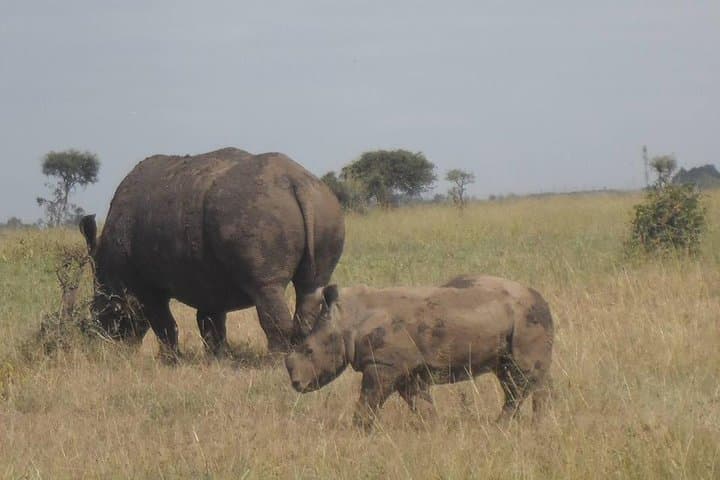
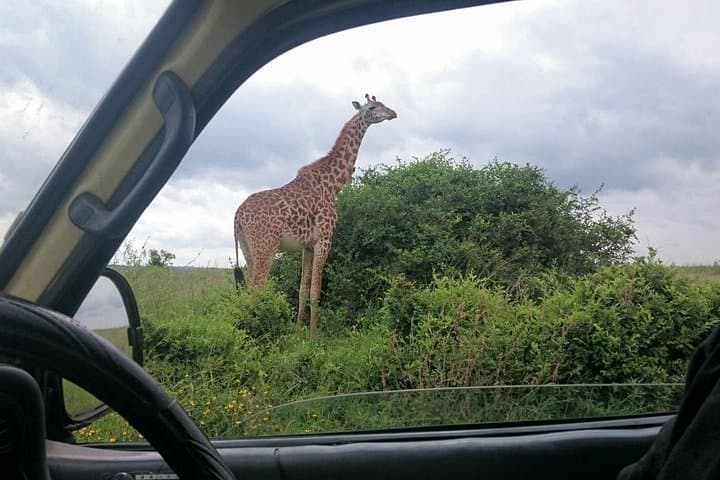
A short drive brings you to the Giraffe Centre in Lang’ata: thirty concentrated minutes of close encounters, feeding leaves to towering Rothschild’s giraffes while the urban skyline sits low on the horizon. After a recommended lunch, the route sweeps into Nairobi National Park—grassy plains interrupted by kopjes and acacia—where city and savanna share sightlines and lions, herds, and diverse birdlife can be spotted from the game drive vehicle.
This route mixes conservation history (Nairobi National Park is one of the world’s few urban parks) with active rehabilitation projects for elephants and education programs at the Giraffe Centre. Geologically you’ll cross parts of the Athi‑Kapiti plains—flat, well‑drained savanna that supports the park’s wildlife.
Practical notes: the day is long (about 10 hours), so bring sun protection, layered clothing for variable shade and breeze, and a charged camera with a telephoto lens. Respect viewing distances, follow your guide, and carry small cash for market stalls; the itinerary often includes admissions but confirm before travel. Expect easy walking, frequent stops for photography, and a strong focus on wildlife education and responsible tourism.
easy.
10 hours.
Suitable for most fitness levels; involves short, easy walks and seated game drives throughout the day
Confirm at booking: some operators include admission fees; others list them separately—ask your provider before departure.
Yes—children can participate; infants may need to sit on laps and some attractions have age‑specific rules, so check with the operator.
Yes—feeding under staff supervision is part of the visit; do not attempt to feed animals at other sites or outside supervised areas.
Common sightings include zebra, giraffe, buffalo, warthog, various antelope, many bird species, and occasionally predators such as lions and hyenas; sightings vary by season and luck.
Nairobi National Park was established in 1946 and remains one of the few national parks bordering a capital city, reflecting early conservation efforts amid urban growth.
The day supports active rehabilitation and education programs; follow guide instructions to minimize disturbance and consider small donations or patronage of onsite conservation shops.
Wasili Kenya Safaris operates guided outdoor trips and adventures with an emphasis on safety, stewardship, and memorable experiences.
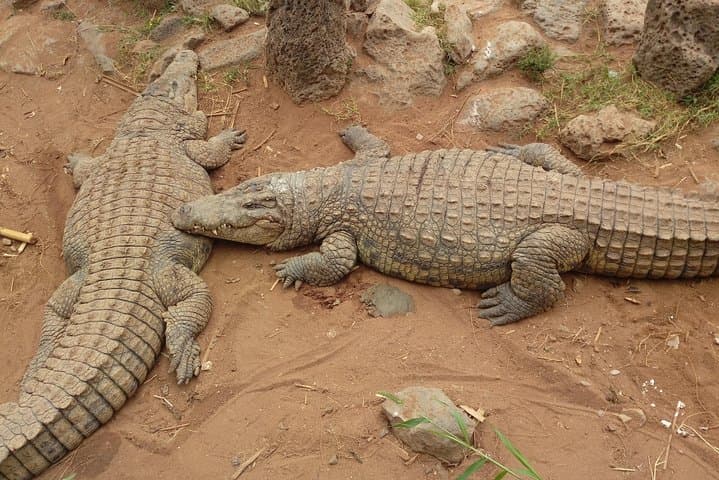
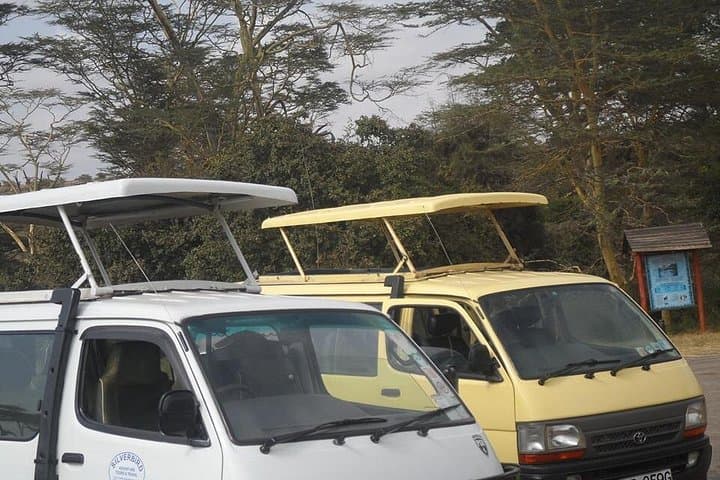
You climb into a pop‑up‑roof van at 8 a.m., Nairobi already brightening as the city edges into the plains. The van hums toward Mamba Village, where Nile crocodiles mark the waterline and a guide points out scutes and hunting posture—cold skins moving like timers. By late morning the David Sheldrick Elephant orphanage opens; baby elephants lumber forward, trunks testing the air, eager and curious as handlers explain rescue and reintroduction work.
You climb into a pop‑up‑roof van at 8 a.m., Nairobi already brightening as the city edges into the plains. The van hums toward Mamba Village, where Nile crocodiles mark the waterline and a guide points out scutes and hunting posture—cold skins moving like timers. By late morning the David Sheldrick Elephant orphanage opens; baby elephants lumber forward, trunks testing the air, eager and curious as handlers explain rescue and reintroduction work.
A short drive brings you to the Giraffe Centre in Lang’ata: thirty concentrated minutes of close encounters, feeding leaves to towering Rothschild’s giraffes while the urban skyline sits low on the horizon. After a recommended lunch, the route sweeps into Nairobi National Park—grassy plains interrupted by kopjes and acacia—where city and savanna share sightlines and lions, herds, and diverse birdlife can be spotted from the game drive vehicle.
This route mixes conservation history (Nairobi National Park is one of the world’s few urban parks) with active rehabilitation projects for elephants and education programs at the Giraffe Centre. Geologically you’ll cross parts of the Athi‑Kapiti plains—flat, well‑drained savanna that supports the park’s wildlife.
Practical notes: the day is long (about 10 hours), so bring sun protection, layered clothing for variable shade and breeze, and a charged camera with a telephoto lens. Respect viewing distances, follow your guide, and carry small cash for market stalls; the itinerary often includes admissions but confirm before travel. Expect easy walking, frequent stops for photography, and a strong focus on wildlife education and responsible tourism.