THE ADVENTURE COLLECTIVE® · Independent discovery and booking for outdoor travel

A steady, scenic 5–6 hour transfer from Nairobi to the Masai Mara in a purpose-built 4x4 Land Cruiser. Expect Rift Valley vistas, variable road surfaces, and possible wildlife sightings en route.
A steady, scenic 5–6 hour transfer from Nairobi to the Masai Mara in a purpose-built 4x4 Land Cruiser. Expect Rift Valley vistas, variable road surfaces, and possible wildlife sightings en route.
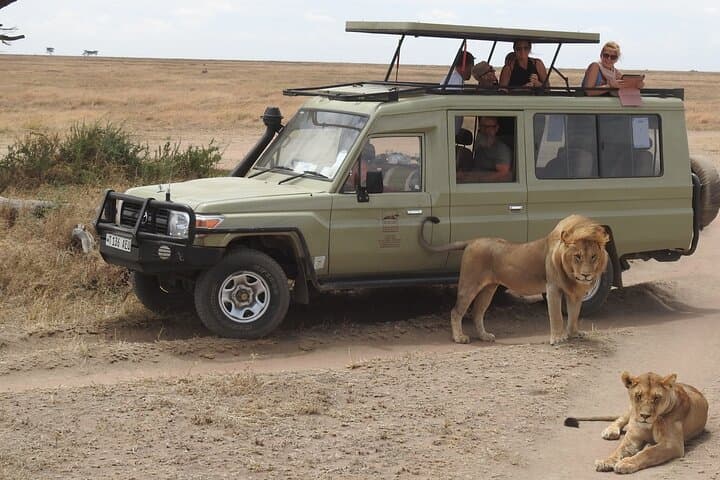
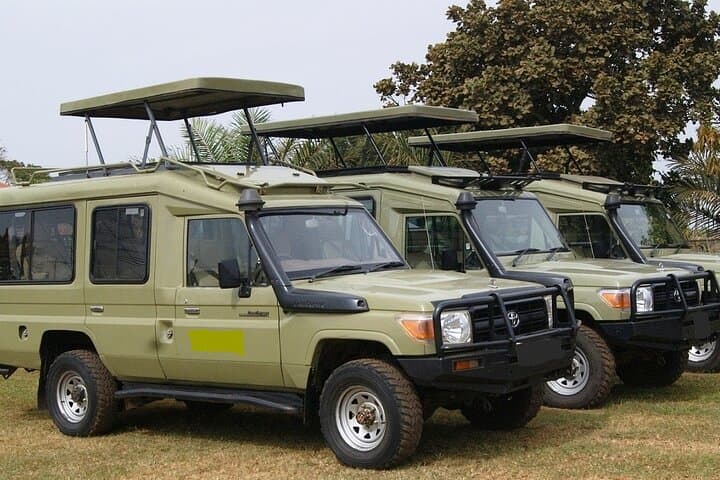
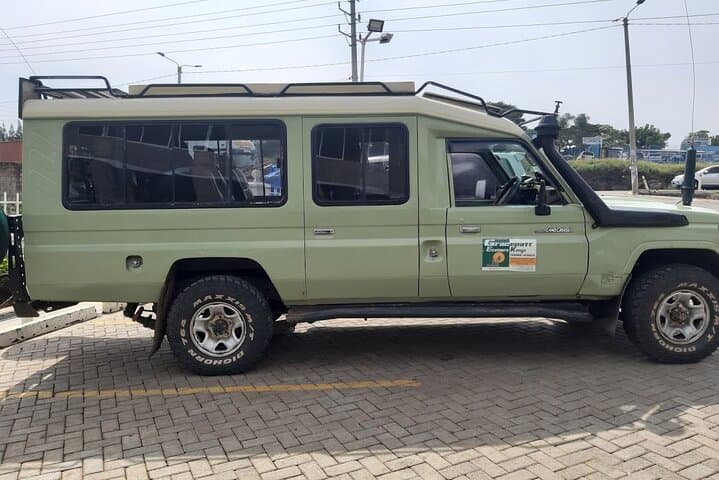
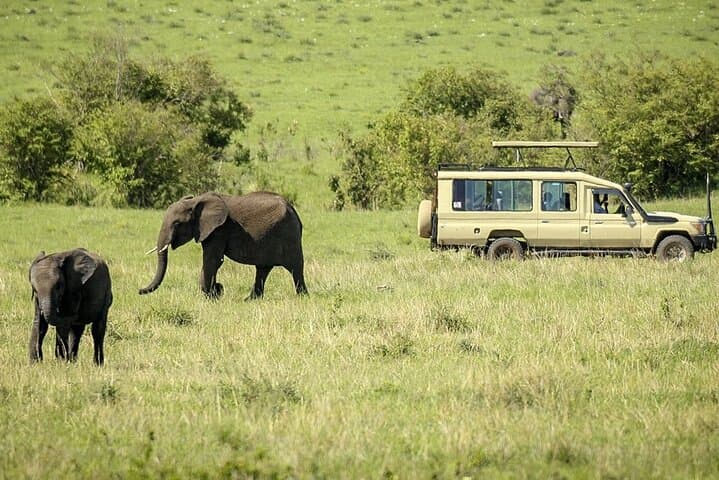
The morning air in Nairobi still holds the city’s dust when a customized 4x4 Toyota Land Cruiser pulls away, headlights cutting through pale light as the urban skyline gives way to the ragged spine of the Great Rift Valley. You feel the vehicle working beneath you—suspension compressing over washboard tracks, windows framing acacia silhouettes and distant rolling grasslands that lead to the Masai Mara.
Verified experiences and guided adventures in the surrounding area.
Operated by Muringa Kenya Tours & Safaris Ltd · Narok, Narok County
The morning air in Nairobi still holds the city’s dust when a customized 4x4 Toyota Land Cruiser pulls away, headlights cutting through pale light as the urban skyline gives way to the ragged spine of the Great Rift Valley. You feel the vehicle working beneath you—suspension compressing over washboard tracks, windows framing acacia silhouettes and distant rolling grasslands that lead to the Masai Mara.
Geology here is conspicuous: the Rift Valley’s tilted escarpments and volcanic soils shape the route, funneling rivers and wildlife through predictable corridors. Culturally, the Mara sits on Maasai lands—communities with deep grazing traditions and a long history of negotiated coexistence with the reserve. The reserve itself was set aside in the mid-20th century and remains one of East Africa’s best places to encounter big game.
On this transfer you’ll cross Narok town for a brief stop, then drop onto rougher tracks as you approach gates like Sekenani, Talek or Oloolaimutia. Expect possible roadside sightings—baboons, impala, or even a distant elephant—especially in the early morning or late afternoon.
Practical guide: the drive typically takes 5–6 hours door-to-door; roads vary from paved to rocky, so pack layers against morning chill and midday heat. Bottled water is included, but bring a reusable bottle for refills. Space is limited to seven passengers—stow luggage securely and keep fragile items cushioned. Phone reception becomes patchy past Narok; download reservation details and directions beforehand. Motion sickness medicines and binoculars are rewarded on this long, scenic crossing. Drivers are experienced with Mara approaches; tipping for good service is customary. This transfer is straightforward logistics that doubles as the first chapter of your safari, moving you from city rush to wide-open savanna in one deliberate, bumpy stretch.
easy.
5–6 hours.
Minimal fitness required; suitable for travelers who can sit for several hours
Expect approximately 5–6 hours door-to-door, depending on traffic out of Nairobi and road conditions toward the Mara.
Yes — pickups are typically arranged from Nairobi hotels or the airport; you’ll select a pickup point during booking.
The transfer vehicle carries up to seven passengers; luggage space is optimized for soft bags and moderate-sized suitcases.
This product is sold as all sales final—there are no refunds for cancellations, so plan accordingly.
The Masai Mara sits on Maasai pastoral lands and was formally protected in the 1960s; the area’s boundaries and management evolved with both conservation and community needs.
Visitors should minimize plastic waste, respect wildlife corridors, and follow lodge guidance to reduce disturbance to grazing routes and seasonal migratory paths.
Muringa Kenya Tours & Safaris Ltd operates guided outdoor trips and adventures with an emphasis on safety, stewardship, and memorable experiences.
The morning air in Nairobi still holds the city’s dust when a customized 4x4 Toyota Land Cruiser pulls away, headlights cutting through pale light as the urban skyline gives way to the ragged spine of the Great Rift Valley. You feel the vehicle working beneath you—suspension compressing over washboard tracks, windows framing acacia silhouettes and distant rolling grasslands that lead to the Masai Mara.
The morning air in Nairobi still holds the city’s dust when a customized 4x4 Toyota Land Cruiser pulls away, headlights cutting through pale light as the urban skyline gives way to the ragged spine of the Great Rift Valley. You feel the vehicle working beneath you—suspension compressing over washboard tracks, windows framing acacia silhouettes and distant rolling grasslands that lead to the Masai Mara.
Geology here is conspicuous: the Rift Valley’s tilted escarpments and volcanic soils shape the route, funneling rivers and wildlife through predictable corridors. Culturally, the Mara sits on Maasai lands—communities with deep grazing traditions and a long history of negotiated coexistence with the reserve. The reserve itself was set aside in the mid-20th century and remains one of East Africa’s best places to encounter big game.
On this transfer you’ll cross Narok town for a brief stop, then drop onto rougher tracks as you approach gates like Sekenani, Talek or Oloolaimutia. Expect possible roadside sightings—baboons, impala, or even a distant elephant—especially in the early morning or late afternoon.
Practical guide: the drive typically takes 5–6 hours door-to-door; roads vary from paved to rocky, so pack layers against morning chill and midday heat. Bottled water is included, but bring a reusable bottle for refills. Space is limited to seven passengers—stow luggage securely and keep fragile items cushioned. Phone reception becomes patchy past Narok; download reservation details and directions beforehand. Motion sickness medicines and binoculars are rewarded on this long, scenic crossing. Drivers are experienced with Mara approaches; tipping for good service is customary. This transfer is straightforward logistics that doubles as the first chapter of your safari, moving you from city rush to wide-open savanna in one deliberate, bumpy stretch.