THE ADVENTURE COLLECTIVE® · Independent discovery and booking for outdoor travel

Four days of big-sky game drives and freshwater lake encounters: travel from Nairobi over the Rift Valley to Masai Mara’s plains, then linger at Lake Naivasha for birds and hippos. Expect early mornings, long drives, and excellent wildlife viewing—especially during the July–October migration.
Four days of big-sky game drives and freshwater lake encounters: travel from Nairobi over the Rift Valley to Masai Mara’s plains, then linger at Lake Naivasha for birds and hippos. Expect early mornings, long drives, and excellent wildlife viewing—especially during the July–October migration.
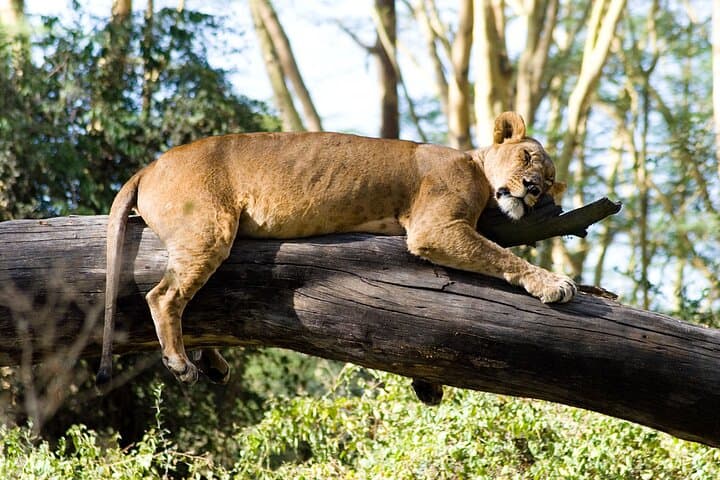
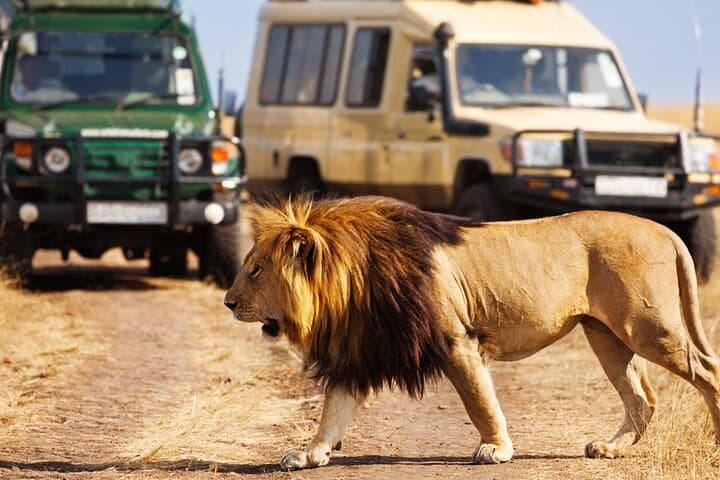
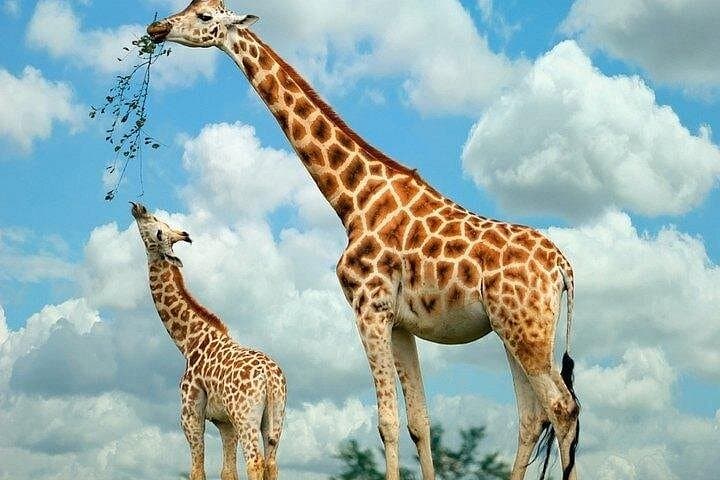
The bus hums awake before sunrise as you roll away from Nairobi, the city shrinking beneath the high rim of the Great Rift Valley. By late morning you’ll pause at the escarpment viewpoint—wind carrying the thin smell of dust and grass—before continuing toward the wide, animal-rich grasslands of the Masai Mara. Afternoon game drives break the stillness: a lion’s low breeze of breath, a line of wildebeest moving like a slow current, and the Mara River daring herds to cross.
Verified experiences and guided adventures in the surrounding area.
Operated by Gracepatt Ecotours Kenya · Nairobi, Nairobi County
The bus hums awake before sunrise as you roll away from Nairobi, the city shrinking beneath the high rim of the Great Rift Valley. By late morning you’ll pause at the escarpment viewpoint—wind carrying the thin smell of dust and grass—before continuing toward the wide, animal-rich grasslands of the Masai Mara. Afternoon game drives break the stillness: a lion’s low breeze of breath, a line of wildebeest moving like a slow current, and the Mara River daring herds to cross.
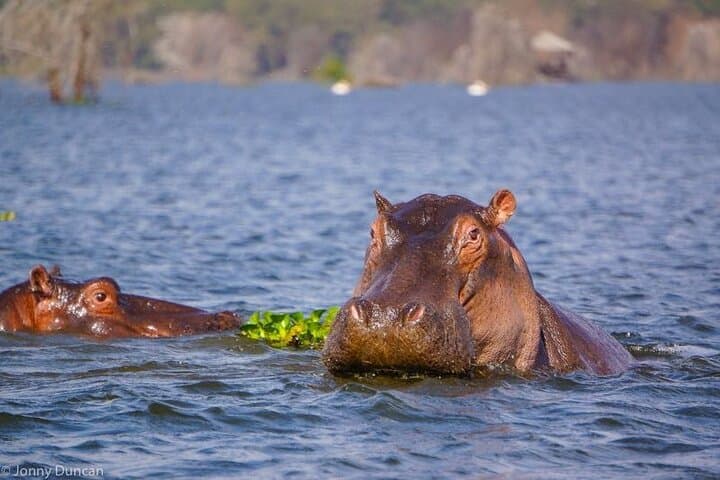
This circuit stitches together landscapes and history—the Rift Valley’s tectonic scar that shaped East Africa, and Maasai pastoral traditions that still define local culture. The Masai Mara reserve was set aside in the mid-20th century as part of Kenya’s national park system; nearby Narok town serves as the human hub for the region. Lake Naivasha, part of the freshwater Rift lakes, hosts hippos and over 400 bird species and offers boat safaris and Crescent Island walks.
Expect long game drives, early wake-ups, and campground or lodge nights (Mara Jambo Lodge/Naivasha Sopa or similar). Bring binoculars for distant cats, a sunhat and layers for temperature swings, and be ready for bumpy roads—vehicles are 4x4 but dirt can slow you. Peak wildlife activity is early morning and late afternoon; July–October brings the dramatic migration river crossings.
Practical: pack light, keep medications and travel documents accessible, and budget for optional extras like balloon flights, community visits, and park tips—these deepen the experience without changing the core itinerary.
moderate.
4 days.
Suitable for travelers in light to moderate fitness; you should be comfortable sitting for several hours, boarding safari vehicles, and doing short walks at stops.
July to October is the peak period for dramatic river crossings in the Masai Mara; timing within that window affects which herds and crossings you’re likely to witness.
Yes—vehicles are adapted for comfort and wildlife viewing, but long drives and bumpy roads may be tiring; check medical restrictions and inform guides of mobility issues.
This itinerary includes breakfasts, lunches (4), dinners (3), park fees, and one bottle of drinking water; optional extras like balloon rides and community visits cost extra.
Consult your doctor before travel—Yellow Fever vaccination may be required depending on origin, and antimalarial prophylaxis is commonly recommended for Kenya.
The Masai Mara’s protected areas were formalized in the 20th century amid colonial and post-colonial conservation efforts; Maasai communities have grazed these plains for generations.
Community conservancies and anti-poaching patrols play a major role in protecting wildlife; visitors are encouraged to follow park rules, limit single-use plastics, and support local guides and community projects.
Gracepatt Ecotours Kenya operates guided outdoor trips and adventures with an emphasis on safety, stewardship, and memorable experiences.
The bus hums awake before sunrise as you roll away from Nairobi, the city shrinking beneath the high rim of the Great Rift Valley. By late morning you’ll pause at the escarpment viewpoint—wind carrying the thin smell of dust and grass—before continuing toward the wide, animal-rich grasslands of the Masai Mara. Afternoon game drives break the stillness: a lion’s low breeze of breath, a line of wildebeest moving like a slow current, and the Mara River daring herds to cross.
The bus hums awake before sunrise as you roll away from Nairobi, the city shrinking beneath the high rim of the Great Rift Valley. By late morning you’ll pause at the escarpment viewpoint—wind carrying the thin smell of dust and grass—before continuing toward the wide, animal-rich grasslands of the Masai Mara. Afternoon game drives break the stillness: a lion’s low breeze of breath, a line of wildebeest moving like a slow current, and the Mara River daring herds to cross.
This circuit stitches together landscapes and history—the Rift Valley’s tectonic scar that shaped East Africa, and Maasai pastoral traditions that still define local culture. The Masai Mara reserve was set aside in the mid-20th century as part of Kenya’s national park system; nearby Narok town serves as the human hub for the region. Lake Naivasha, part of the freshwater Rift lakes, hosts hippos and over 400 bird species and offers boat safaris and Crescent Island walks.
Expect long game drives, early wake-ups, and campground or lodge nights (Mara Jambo Lodge/Naivasha Sopa or similar). Bring binoculars for distant cats, a sunhat and layers for temperature swings, and be ready for bumpy roads—vehicles are 4x4 but dirt can slow you. Peak wildlife activity is early morning and late afternoon; July–October brings the dramatic migration river crossings.
Practical: pack light, keep medications and travel documents accessible, and budget for optional extras like balloon flights, community visits, and park tips—these deepen the experience without changing the core itinerary.