THE ADVENTURE COLLECTIVE® · Independent discovery and booking for outdoor travel

Rise before dawn in Nairobi for a long, rewarding day in an open 4x4 across the Maasai Mara. Expect concentrated wildlife viewing on the western escarpment, river crossings during migration season, and a pragmatic day of dirt roads and unforgettable sightings.
Rise before dawn in Nairobi for a long, rewarding day in an open 4x4 across the Maasai Mara. Expect concentrated wildlife viewing on the western escarpment, river crossings during migration season, and a pragmatic day of dirt roads and unforgettable sightings.
Dawn arrives over the Kenyan plateau as your vehicle slips north out of Nairobi—coffee in hand, camera ready, and the road opening into a wide, wind-scoured savanna. By midmorning the pop-up roof of a 4x4 Land Cruiser makes each scrubby acacia and grazing herd feel close enough to touch; the landscape stretches flat and honest, broken by river bends and the shadow of the western escarpment where wildlife concentrates.
Verified experiences and guided adventures in the surrounding area.
Operated by African Beast tours and safaris · Maasai Mara, Narok County
Dawn arrives over the Kenyan plateau as your vehicle slips north out of Nairobi—coffee in hand, camera ready, and the road opening into a wide, wind-scoured savanna. By midmorning the pop-up roof of a 4x4 Land Cruiser makes each scrubby acacia and grazing herd feel close enough to touch; the landscape stretches flat and honest, broken by river bends and the shadow of the western escarpment where wildlife concentrates.
The Maasai Mara sits on the floor of the Rift Valley and was designated a reserve in the early 1960s. Its grasslands, seasonal rivers and patches of riverine forest are shaped by volcanic soils and periodic floods; the Mara River dares migrating herds to cross at narrow, crocodile-lined choke points between July and November.
Culturally, local Maasai communities remain visible—many guides are Maasai-born and combine traditional knowledge with tracking skill. Expect narration about migration cycles, predator-prey dynamics, and how conservancies buffer pastoral life and tourism.
Practically, this is a long but accessible day: plan for roughly 4–5 hours driving each way (about 270 km one way, depending on route and traffic), a full morning and early-afternoon of game drives, and a picnic under shade. Roads inside the reserve are dirt tracks—suspension matters—and amenities are limited. Bring layered clothing for cold mornings and hot afternoons, sun protection, binoculars, and cash if you want lodge lunch or local artisan purchases. Respect wildlife distances, follow your guide’s instructions, and carry out what you bring in; small choices on a day trip help keep these plains wild for the next one.
easy.
15 hours.
Suitable for travelers of average fitness who can sit for long drives and manage short walks; no sustained hiking required.
Park fees are frequently separate from the tour price—confirm at booking; fees vary by nationality and season and are paid in local currency or as instructed by the operator.
Children are typically welcome but must be supervised; the provider advises against the trip for pregnant travelers and guests with significant spinal issues—check restrictions when booking.
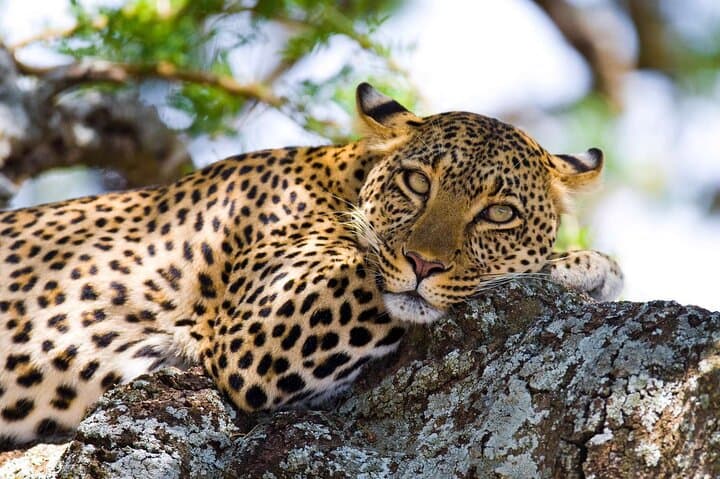
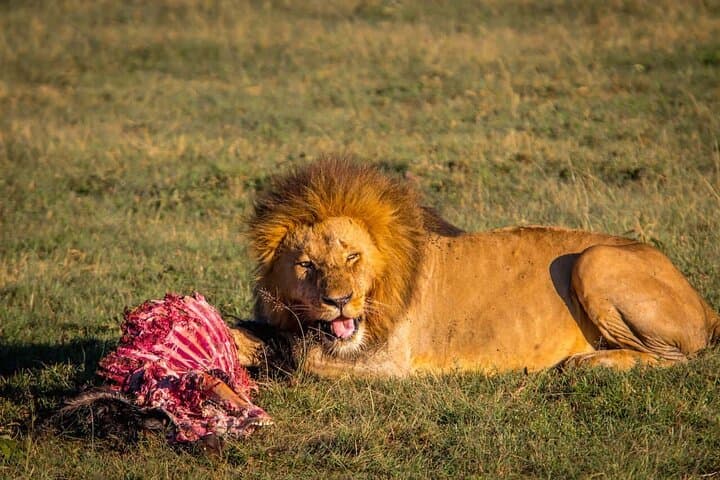
Expect high probabilities of wildebeest, zebra, buffalo and frequent sightings of lions and elephants; the Mara River area offers crocodile and hippo viewing, especially during migration season.
Facilities are limited—your itinerary includes a packed picnic lunch; some clients opt to reserve a lodge buffet lunch for extra comfort at additional cost.
The Maasai Mara Reserve was formally established in the early 1960s; the landscape and its name reflect the Maasai people who have grazed livestock and lived alongside wildlife for generations.
Community conservancies and regulated vehicle routes help reduce habitat pressure; stay on tracks, avoid feeding animals, and support local guides or community-run enterprises to keep tourism sustainable.
African Beast tours and safaris operates guided outdoor trips and adventures with an emphasis on safety, stewardship, and memorable experiences.
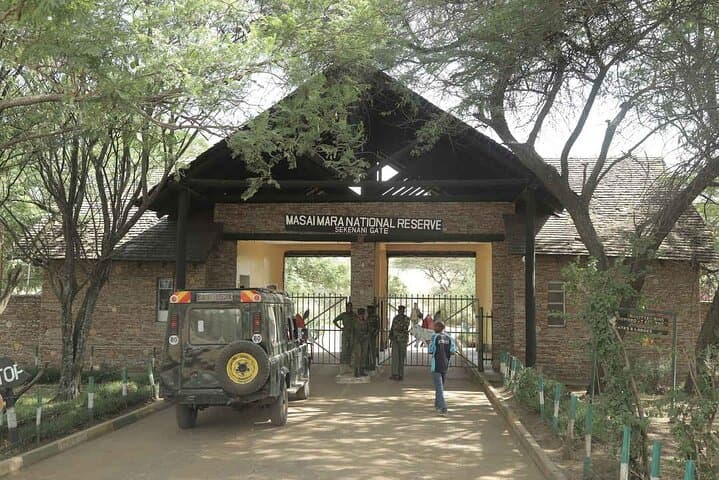
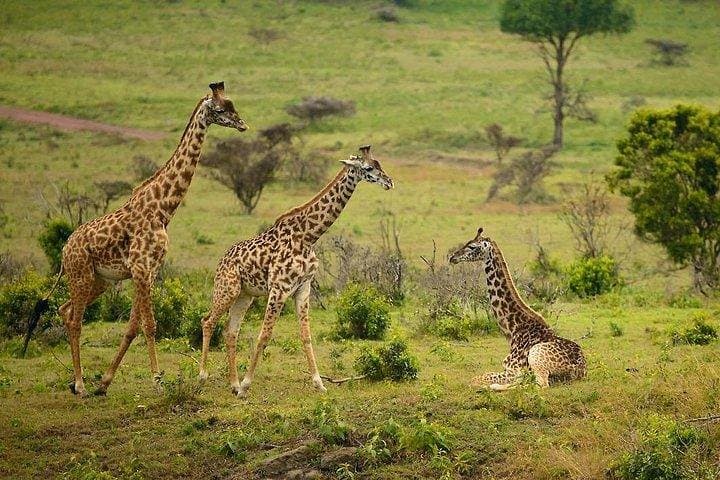
Dawn arrives over the Kenyan plateau as your vehicle slips north out of Nairobi—coffee in hand, camera ready, and the road opening into a wide, wind-scoured savanna. By midmorning the pop-up roof of a 4x4 Land Cruiser makes each scrubby acacia and grazing herd feel close enough to touch; the landscape stretches flat and honest, broken by river bends and the shadow of the western escarpment where wildlife concentrates.
Dawn arrives over the Kenyan plateau as your vehicle slips north out of Nairobi—coffee in hand, camera ready, and the road opening into a wide, wind-scoured savanna. By midmorning the pop-up roof of a 4x4 Land Cruiser makes each scrubby acacia and grazing herd feel close enough to touch; the landscape stretches flat and honest, broken by river bends and the shadow of the western escarpment where wildlife concentrates.
The Maasai Mara sits on the floor of the Rift Valley and was designated a reserve in the early 1960s. Its grasslands, seasonal rivers and patches of riverine forest are shaped by volcanic soils and periodic floods; the Mara River dares migrating herds to cross at narrow, crocodile-lined choke points between July and November.
Culturally, local Maasai communities remain visible—many guides are Maasai-born and combine traditional knowledge with tracking skill. Expect narration about migration cycles, predator-prey dynamics, and how conservancies buffer pastoral life and tourism.
Practically, this is a long but accessible day: plan for roughly 4–5 hours driving each way (about 270 km one way, depending on route and traffic), a full morning and early-afternoon of game drives, and a picnic under shade. Roads inside the reserve are dirt tracks—suspension matters—and amenities are limited. Bring layered clothing for cold mornings and hot afternoons, sun protection, binoculars, and cash if you want lodge lunch or local artisan purchases. Respect wildlife distances, follow your guide’s instructions, and carry out what you bring in; small choices on a day trip help keep these plains wild for the next one.