THE ADVENTURE COLLECTIVE® · Independent discovery and booking for outdoor travel

Spend 2.5 hours drawing Nairobi from the street: colonial architecture, colorful markets, university courtyards and artist workshops. This private sketch tour supplies materials and local context for a hands-on cultural walk.
Spend 2.5 hours drawing Nairobi from the street: colonial architecture, colorful markets, university courtyards and artist workshops. This private sketch tour supplies materials and local context for a hands-on cultural walk.
You step out into a warm Nairobi morning, graphite and paper in a tote, as the city unfolds in quick sketches — low colonial facades catching light, vibrant market stalls, and students lounging under jacaranda trees.
Verified experiences and guided adventures in the surrounding area.
Operated by Nairobi Sketch Tour · Nairobi, Nairobi County
You step out into a warm Nairobi morning, graphite and paper in a tote, as the city unfolds in quick sketches — low colonial facades catching light, vibrant market stalls, and students lounging under jacaranda trees.
This 2.5-hour private sketch tour threads through historical corners: the colonial identification registration centre and early police station that recall the kipande era, the old university buildings that shaped Nairobi’s civic life, and the market murals created by local students. Nairobi sits on the Nairobi Plateau at roughly 1,795 m, its soils and pavement carrying traces of Nairobi River’s narrow corridor and the city’s growth since the late 19th century. Culture here is immediate and public — street sellers, theater rehearsals, and practicing artists in an open courtyard (where local actors, including Lupita Nyong’o, once trained) make the city an active studio.
Expect seated sketch stops of about 20–30 minutes each and opportunities to talk with residents and artists. All basic art supplies are provided, and guides can tailor locations on request to focus on architecture, portrait studies, or markets. Practical notes: go in the morning for softer light and cooler temperatures; bring small cash for market purchases; wear comfortable shoes for short walks on mixed pavement and occasional uneven alleys. The tour is wheelchair- and stroller-accessible in many sections, but some sites have steps — notify the operator ahead if mobility needs exist.
This experience blends observational drawing with local history and practical urban exploration — ideal for travelers who want to slow down in a lively African capital while creating a keepsake of what they see.
easy.
2–3 hours.
Suitable for most fitness levels; involves short walks and standing while sketching.
Yes — basic sketching materials (paper, pencils, erasers) are provided; you may bring preferred pens or sketchbooks for personal use.
Absolutely — the tour welcomes all skill levels and focuses on observation and relaxed drawing rather than technical instruction.
Meeting locations are usually central in Nairobi; exact start points are confirmed at booking and may be adjusted on request.
The tour is wheelchair- and stroller-accessible at many stops, but some historic sites have steps — inform the operator of special needs when booking.
Stops reference Nairobi’s colonial-era systems — including the kipande identification and early civic buildings that shaped urban planning.
Support local artists and vendors by buying small items and avoid single-use plastics; stay on paved paths to limit damage to planted areas.
Nairobi Sketch Tour operates guided outdoor trips and adventures with an emphasis on safety, stewardship, and memorable experiences.
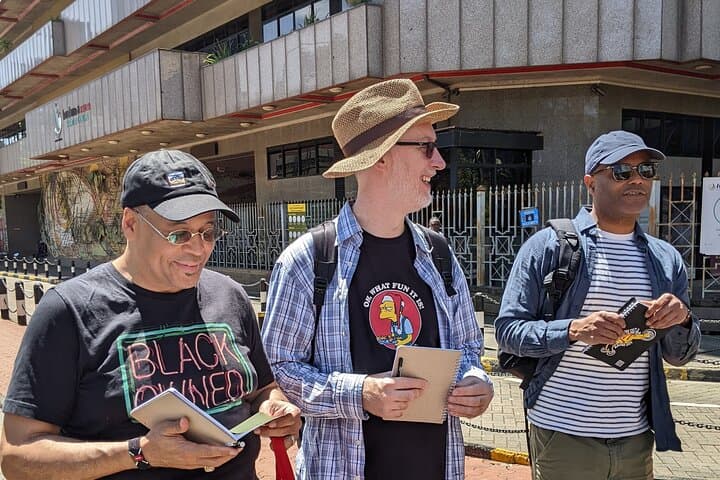

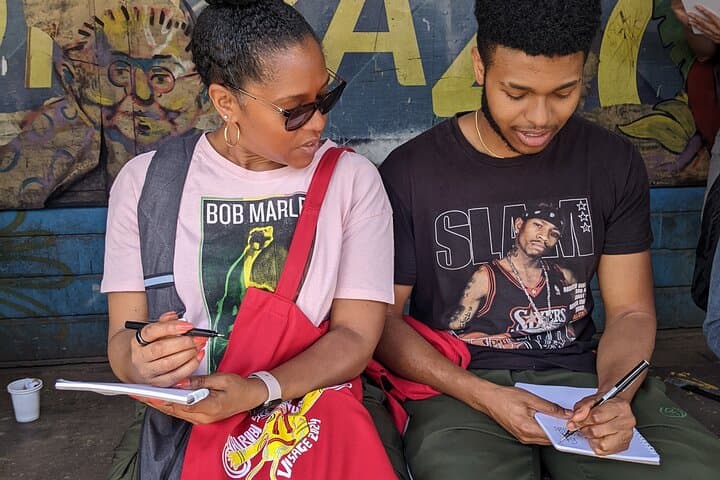
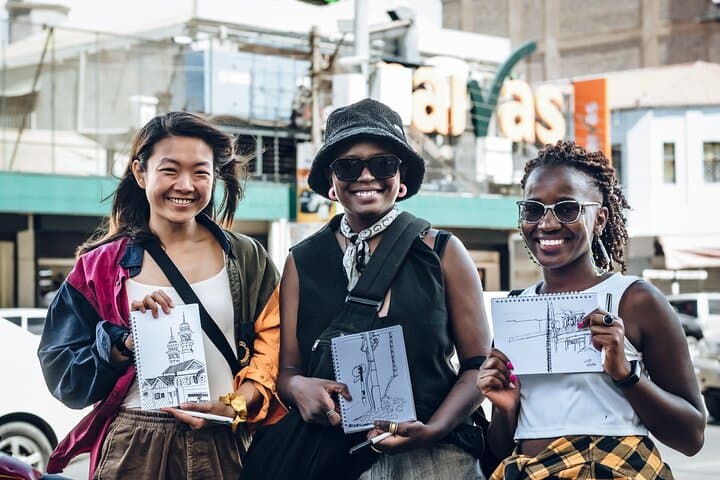
You step out into a warm Nairobi morning, graphite and paper in a tote, as the city unfolds in quick sketches — low colonial facades catching light, vibrant market stalls, and students lounging under jacaranda trees.
You step out into a warm Nairobi morning, graphite and paper in a tote, as the city unfolds in quick sketches — low colonial facades catching light, vibrant market stalls, and students lounging under jacaranda trees.
This 2.5-hour private sketch tour threads through historical corners: the colonial identification registration centre and early police station that recall the kipande era, the old university buildings that shaped Nairobi’s civic life, and the market murals created by local students. Nairobi sits on the Nairobi Plateau at roughly 1,795 m, its soils and pavement carrying traces of Nairobi River’s narrow corridor and the city’s growth since the late 19th century. Culture here is immediate and public — street sellers, theater rehearsals, and practicing artists in an open courtyard (where local actors, including Lupita Nyong’o, once trained) make the city an active studio.
Expect seated sketch stops of about 20–30 minutes each and opportunities to talk with residents and artists. All basic art supplies are provided, and guides can tailor locations on request to focus on architecture, portrait studies, or markets. Practical notes: go in the morning for softer light and cooler temperatures; bring small cash for market purchases; wear comfortable shoes for short walks on mixed pavement and occasional uneven alleys. The tour is wheelchair- and stroller-accessible in many sections, but some sites have steps — notify the operator ahead if mobility needs exist.
This experience blends observational drawing with local history and practical urban exploration — ideal for travelers who want to slow down in a lively African capital while creating a keepsake of what they see.