THE ADVENTURE COLLECTIVE® · Independent discovery and booking for outdoor travel

Nairobi National Park offers a one-of-a-kind safari experience just outside Kenya’s capital city. Discover lions, rhinos, and over 400 bird species against the backdrop of Nairobi’s skyline on this accessible urban wildlife adventure.
Nairobi National Park offers a one-of-a-kind safari experience just outside Kenya’s capital city. Discover lions, rhinos, and over 400 bird species against the backdrop of Nairobi’s skyline on this accessible urban wildlife adventure.
Just minutes from Nairobi’s bustling city center, Nairobi National Park invites you into a rare convergence of urban energy and wild African life. Here, the air vibrates with the calls of lions and the rustle of acacia trees, all framed by the distant silhouette of Nairobi’s skyline. This compact reserve, measuring just 117 square kilometers, offers a singular safari experience: witnessing the raw pulse of savannah wildlife juxtaposed against a rapidly expanding metropolis.
Verified experiences and guided adventures in the surrounding area.
Operated by Flexivel Kenya Safaris · Nairobi, Nairobi County
Just minutes from Nairobi’s bustling city center, Nairobi National Park invites you into a rare convergence of urban energy and wild African life. Here, the air vibrates with the calls of lions and the rustle of acacia trees, all framed by the distant silhouette of Nairobi’s skyline. This compact reserve, measuring just 117 square kilometers, offers a singular safari experience: witnessing the raw pulse of savannah wildlife juxtaposed against a rapidly expanding metropolis.
Established in 1946, Nairobi National Park holds the distinction of being the world’s only national park bordering a capital city. Its diverse landscapes—rolling grasslands, dense woodlands, and wetlands—support over 70 mammal species and more than 400 bird species, making it a biodiversity hotspot squeezed into an unlikely location.
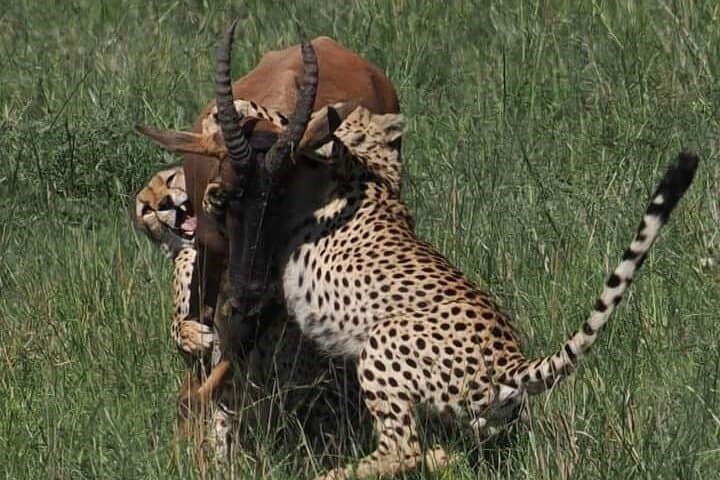
The park’s geological features owe much to ancient volcanic activity which shaped the gently undulating terrain and created the distinctive natural watering holes that sustain its wildlife. Large mammals such as lions, leopards, and cheetahs roam freely alongside giraffes, zebras, and buffalo, while birdwatchers can spot ostriches and majestic eagles soaring overhead.
One of the park’s standout attractions is the David Sheldrick Wildlife Trust’s Orphanage, a sanctuary for rescued and rehabilitated wildlife including elephants and rhinos. This facility underscores the delicate balance between conservation and urban expansion.
Visitors keen on exploring by foot can take advantage of several walking trails, weaving through habitats often skirted by larger vehicles. The Nairobi Safari Walk—a raised wooden boardwalk—provides an intimate view of species like the endangered Eastern black rhinoceros and agile baboons, making it ideal for those who want an immersive yet manageable adventure.
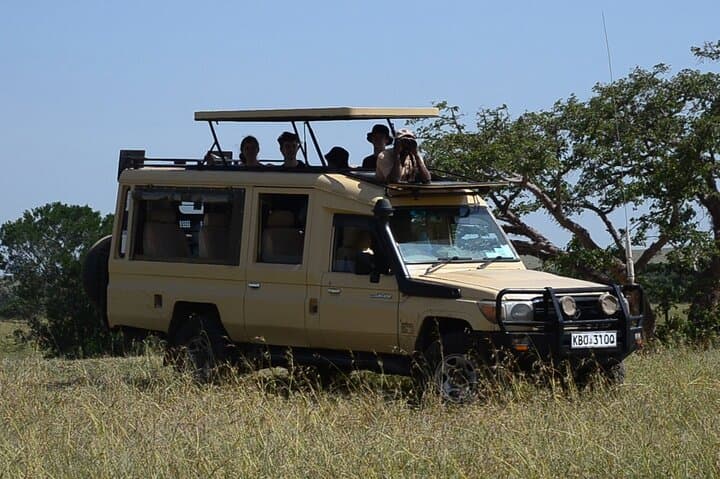
Practically, the safari lasts about six hours, with private transportation included. Since the park lies at an elevation of roughly 1,600 meters (5,250 feet), temperatures are mild but variable, so layering is advisable. Early mornings and late afternoons offer the best light for photography and cooler conditions, with wildlife most active during these times.
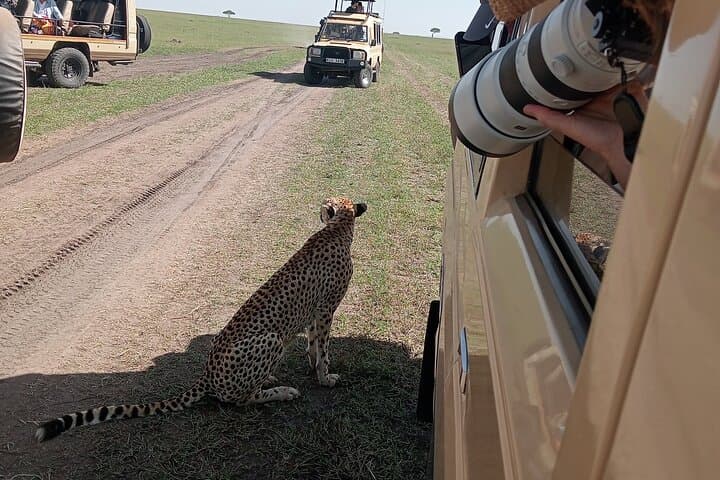
Prepare for unpaved and sometimes uneven terrain within the park; sturdy hiking shoes and sun protection are essential. Bringing binoculars or a zoom lens enhances the viewing experience, and plenty of water helps maintain energy during your wildlife vigil.
Nairobi National Park’s unique proximity to urban life provides an accessible and compelling safari alternative that balances convenience with wilderness unpredictability. It fosters a new kind of adventure—one where the roar of a lion collides with the distant hum of city streets, reminding travelers how the wild still pulses at the edge of civilization.
moderate.
6 hours.
Suitable for most fitness levels; involves driving with optional moderate walking on uneven trails.
The park is approximately 7 kilometers (4 miles) from Nairobi’s central business district, making it easily accessible by car.
Common sightings include lions, leopards, cheetahs, buffaloes, giraffes, zebras, hyenas, and over 400 species of birds.
Yes, the safari is family-friendly, though very young children may require supervision due to wildlife proximity and vehicle movement.
Walking trails are generally safe during guided tours, but solo walking is discouraged due to wildlife risks.
Photography is encouraged; use of zoom lenses and binoculars enhances wildlife capture without disturbing animals.
Visits to the orphanage are usually scheduled separately but can often be arranged in conjunction with safari tours.
Nairobi National Park was founded in 1946 as a pioneering effort to conserve wildlife in close proximity to a growing urban center.
The park balances tourism and conservation, supporting endangered species through initiatives like anti-poaching programs and community outreach.
Flexivel Kenya Safaris operates guided outdoor trips and adventures with an emphasis on safety, stewardship, and memorable experiences.
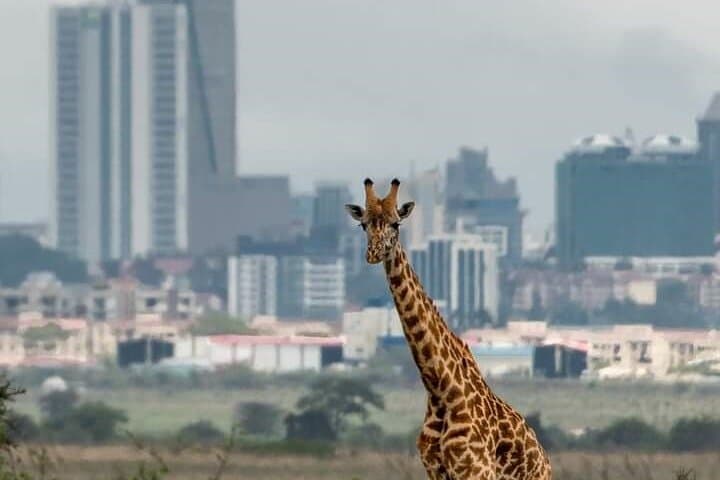
Just minutes from Nairobi’s bustling city center, Nairobi National Park invites you into a rare convergence of urban energy and wild African life. Here, the air vibrates with the calls of lions and the rustle of acacia trees, all framed by the distant silhouette of Nairobi’s skyline. This compact reserve, measuring just 117 square kilometers, offers a singular safari experience: witnessing the raw pulse of savannah wildlife juxtaposed against a rapidly expanding metropolis.
Just minutes from Nairobi’s bustling city center, Nairobi National Park invites you into a rare convergence of urban energy and wild African life. Here, the air vibrates with the calls of lions and the rustle of acacia trees, all framed by the distant silhouette of Nairobi’s skyline. This compact reserve, measuring just 117 square kilometers, offers a singular safari experience: witnessing the raw pulse of savannah wildlife juxtaposed against a rapidly expanding metropolis.
Established in 1946, Nairobi National Park holds the distinction of being the world’s only national park bordering a capital city. Its diverse landscapes—rolling grasslands, dense woodlands, and wetlands—support over 70 mammal species and more than 400 bird species, making it a biodiversity hotspot squeezed into an unlikely location.
The park’s geological features owe much to ancient volcanic activity which shaped the gently undulating terrain and created the distinctive natural watering holes that sustain its wildlife. Large mammals such as lions, leopards, and cheetahs roam freely alongside giraffes, zebras, and buffalo, while birdwatchers can spot ostriches and majestic eagles soaring overhead.
One of the park’s standout attractions is the David Sheldrick Wildlife Trust’s Orphanage, a sanctuary for rescued and rehabilitated wildlife including elephants and rhinos. This facility underscores the delicate balance between conservation and urban expansion.
Visitors keen on exploring by foot can take advantage of several walking trails, weaving through habitats often skirted by larger vehicles. The Nairobi Safari Walk—a raised wooden boardwalk—provides an intimate view of species like the endangered Eastern black rhinoceros and agile baboons, making it ideal for those who want an immersive yet manageable adventure.
Practically, the safari lasts about six hours, with private transportation included. Since the park lies at an elevation of roughly 1,600 meters (5,250 feet), temperatures are mild but variable, so layering is advisable. Early mornings and late afternoons offer the best light for photography and cooler conditions, with wildlife most active during these times.
Prepare for unpaved and sometimes uneven terrain within the park; sturdy hiking shoes and sun protection are essential. Bringing binoculars or a zoom lens enhances the viewing experience, and plenty of water helps maintain energy during your wildlife vigil.
Nairobi National Park’s unique proximity to urban life provides an accessible and compelling safari alternative that balances convenience with wilderness unpredictability. It fosters a new kind of adventure—one where the roar of a lion collides with the distant hum of city streets, reminding travelers how the wild still pulses at the edge of civilization.