THE ADVENTURE COLLECTIVE® · Independent discovery and booking for outdoor travel

Experience Nairobi National Park after dark on a guided sunset and night game drive. Powerful spotlights and experienced rangers reveal nocturnal behaviors and predators you’re unlikely to see by day.
Experience Nairobi National Park after dark on a guided sunset and night game drive. Powerful spotlights and experienced rangers reveal nocturnal behaviors and predators you’re unlikely to see by day.
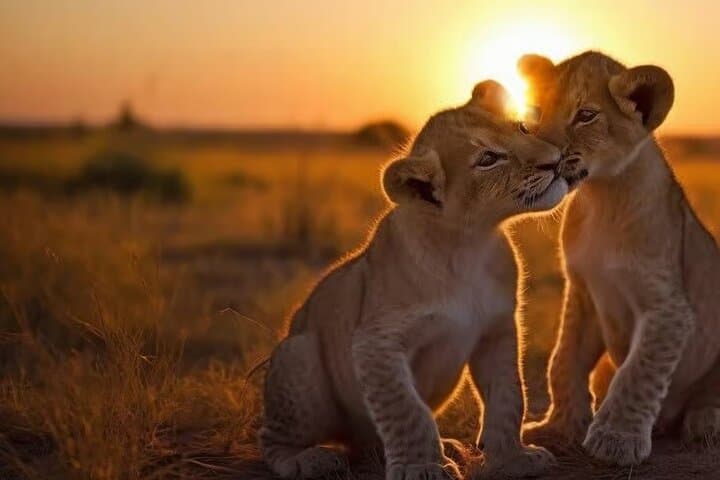
The Land Cruiser rumbles away from the city lights and the horizon softens into a long, dark plain punctured by acacia silhouettes. As the last color drains from the sky, spotlights cut through the gloom and the park changes character: lions stir, hyenas answer with distant calls, and small, nocturnal creatures begin their watch.
Verified experiences and guided adventures in the surrounding area.
Operated by Gracepatt Ecotours Kenya · Nairobi, Nairobi County
The Land Cruiser rumbles away from the city lights and the horizon softens into a long, dark plain punctured by acacia silhouettes. As the last color drains from the sky, spotlights cut through the gloom and the park changes character: lions stir, hyenas answer with distant calls, and small, nocturnal creatures begin their watch.
Nairobi National Park, established in 1946, is one of the world’s few protected wildlife areas that borders a capital city. The park sits on the rolling Nairobi Plateau—compacted volcanic soils and seasonal river valleys shape grassy plains that support grazers and the predators that stalk them. Kenya Wildlife Service rangers and local guides with years of tracking experience run night drives here; community relationships and anti-poaching efforts are central to keeping the park functional amid urban pressures.
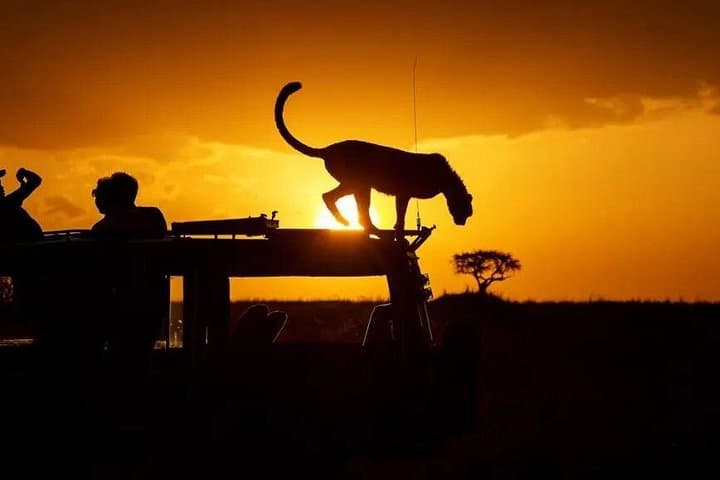
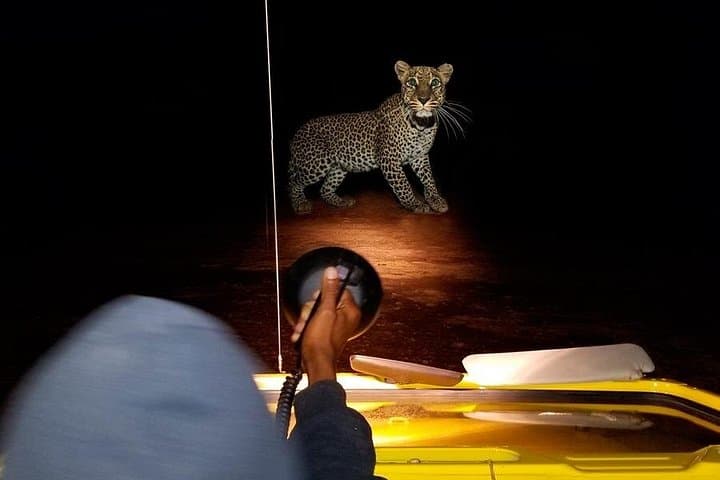
Practically, a sunset-and-night drive is a guided, vehicle-based safari that typically departs in the early evening and runs about five hours. Guides use powerful spotlights and knowledge of nocturnal behavior to find civets, porcupines, bat-eared foxes and the Big Four—lion, leopard, buffalo and rhino—when they’re most active. Roads are dirt and uneven; sightings are often from a respectful distance and require patience.
Bring layered clothing for cooling night air, a camera with good low-light capability or fast lens, and binoculars. Expect limited facilities inside the park and rely on the vehicle for mobility. Follow the guide’s instructions, keep noise low and prepare for a very different, intimate perspective on savanna life under stars.
easy.
4–5 hours.
Suitable for most fitness levels; the activity is vehicle-based with minimal walking
Yes—drives are run by licensed Kenya Wildlife Service rangers and experienced guides; remain in the vehicle and follow instructions at all times.
Night increases the likelihood of seeing predators active at dusk and after dark, including lions and occasionally leopards; rhino sightings happen but are less predictable.
No—flash can disturb animals and is discouraged; guides use spotlighting for viewing and you should rely on low-light camera settings instead.
Most tours include hotel pickup and drop-off in Nairobi; confirm your pickup location when booking and arrive 10–15 minutes early.
Nairobi National Park was set aside in 1946 to protect wildlife on the Nairobi Plateau, making it one of Kenya’s earliest protected areas and unusual for its proximity to an urban center.
Kenya Wildlife Service manages anti-poaching patrols and community outreach programs; visitors should minimize disturbance and support park fees that fund conservation.
Gracepatt Ecotours Kenya operates guided outdoor trips and adventures with an emphasis on safety, stewardship, and memorable experiences.
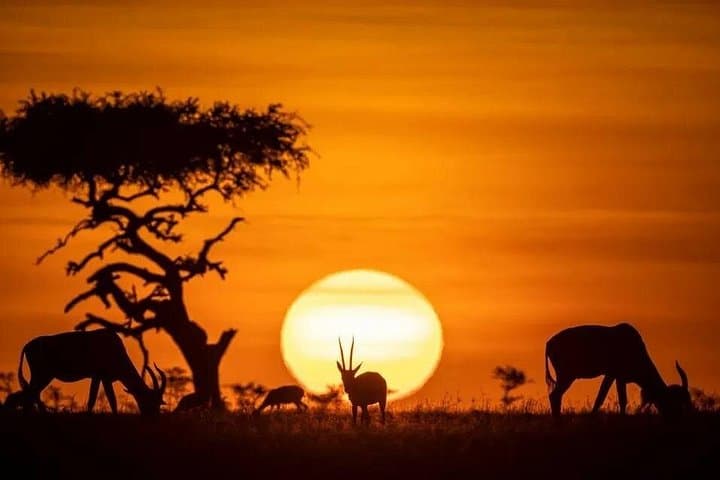
The Land Cruiser rumbles away from the city lights and the horizon softens into a long, dark plain punctured by acacia silhouettes. As the last color drains from the sky, spotlights cut through the gloom and the park changes character: lions stir, hyenas answer with distant calls, and small, nocturnal creatures begin their watch.
The Land Cruiser rumbles away from the city lights and the horizon softens into a long, dark plain punctured by acacia silhouettes. As the last color drains from the sky, spotlights cut through the gloom and the park changes character: lions stir, hyenas answer with distant calls, and small, nocturnal creatures begin their watch.
Nairobi National Park, established in 1946, is one of the world’s few protected wildlife areas that borders a capital city. The park sits on the rolling Nairobi Plateau—compacted volcanic soils and seasonal river valleys shape grassy plains that support grazers and the predators that stalk them. Kenya Wildlife Service rangers and local guides with years of tracking experience run night drives here; community relationships and anti-poaching efforts are central to keeping the park functional amid urban pressures.
Practically, a sunset-and-night drive is a guided, vehicle-based safari that typically departs in the early evening and runs about five hours. Guides use powerful spotlights and knowledge of nocturnal behavior to find civets, porcupines, bat-eared foxes and the Big Four—lion, leopard, buffalo and rhino—when they’re most active. Roads are dirt and uneven; sightings are often from a respectful distance and require patience.
Bring layered clothing for cooling night air, a camera with good low-light capability or fast lens, and binoculars. Expect limited facilities inside the park and rely on the vehicle for mobility. Follow the guide’s instructions, keep noise low and prepare for a very different, intimate perspective on savanna life under stars.