THE ADVENTURE COLLECTIVE® · Independent discovery and booking for outdoor travel

Experience a half-day safari at Nairobi National Park, the only park bordering a capital city. Spot lions, rhinos, and giraffes roaming against Nairobi’s skyline, and cap your visit with an inspiring stop at the Elephant Orphanage.
Experience a half-day safari at Nairobi National Park, the only park bordering a capital city. Spot lions, rhinos, and giraffes roaming against Nairobi’s skyline, and cap your visit with an inspiring stop at the Elephant Orphanage.
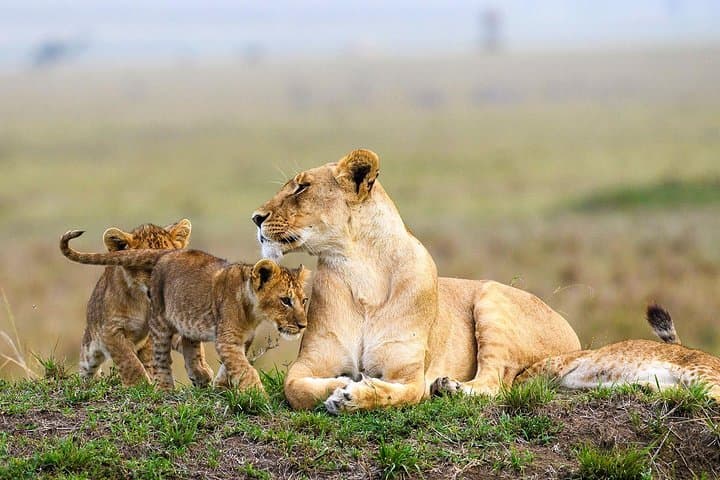
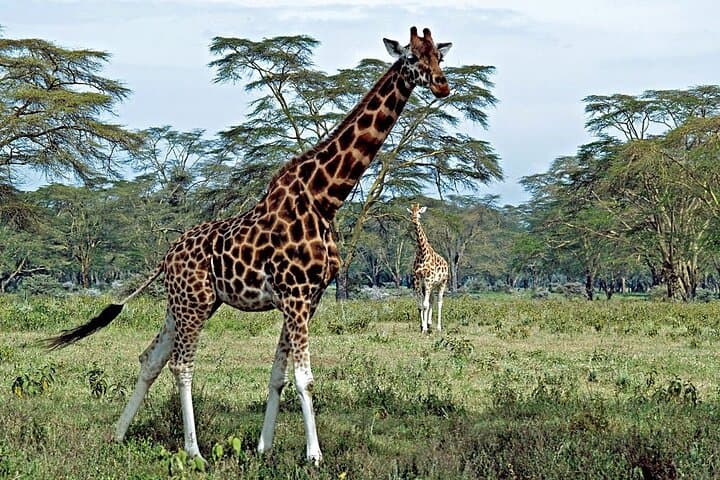
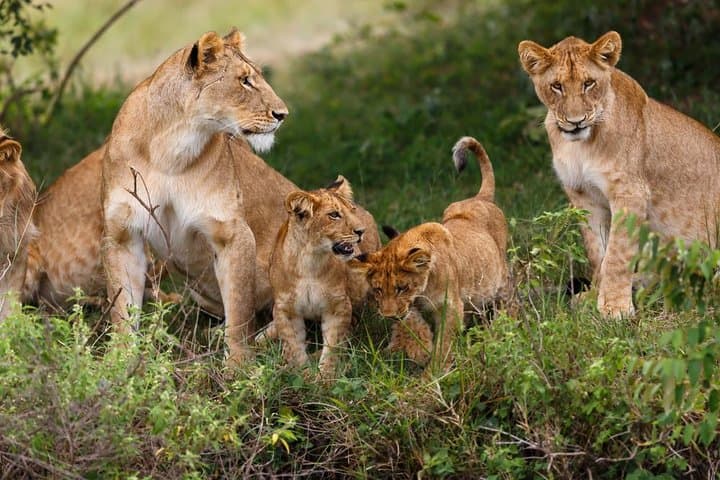
Just minutes from the buzzing streets of Nairobi, where glass towers slice the skyline and traffic pulses like a heartbeat, the wild calls from Nairobi National Park. This isn’t just any safari; it’s the singular spectacle of a national park grazing at the threshold of a capital city. Step into this realm, and the city’s distant hum gives way to the whisper of grass stirring under the hooves of giraffes, the stealth of lions weaving through acacia shadows, and the ponderous tread of rhinos moving silently across open savannah.
Verified experiences and guided adventures in the surrounding area.
Operated by Kenya Travel Adict · Nairobi, Nairobi County
Just minutes from the buzzing streets of Nairobi, where glass towers slice the skyline and traffic pulses like a heartbeat, the wild calls from Nairobi National Park. This isn’t just any safari; it’s the singular spectacle of a national park grazing at the threshold of a capital city. Step into this realm, and the city’s distant hum gives way to the whisper of grass stirring under the hooves of giraffes, the stealth of lions weaving through acacia shadows, and the ponderous tread of rhinos moving silently across open savannah.
Geographically, Nairobi National Park sits on 117 square kilometers of protected land, its flat plains occasionally punctuated by granite outcrops known as kopjes. This unique geological feature offers vantage points both for you and the park’s predators—lions, spotted hyenas, and elusive leopards—ready to claim their stake. The park’s proximity to Nairobi’s hustle means airplanes overhead announce arrivals and departures, blending modern life with wild tradition.
Founded in 1946, Nairobi National Park symbolizes Kenya’s early commitment to conservation amid rapid urban growth. It shelters endangered species, including black rhinos, and serves as a critical migration corridor. Nearby, the David Sheldrick Wildlife Trust’s Elephant Orphanage cares for young elephants rescued from poaching and human-wildlife conflicts, offering a poignant counterpoint of hope amidst the challenges of preservation.
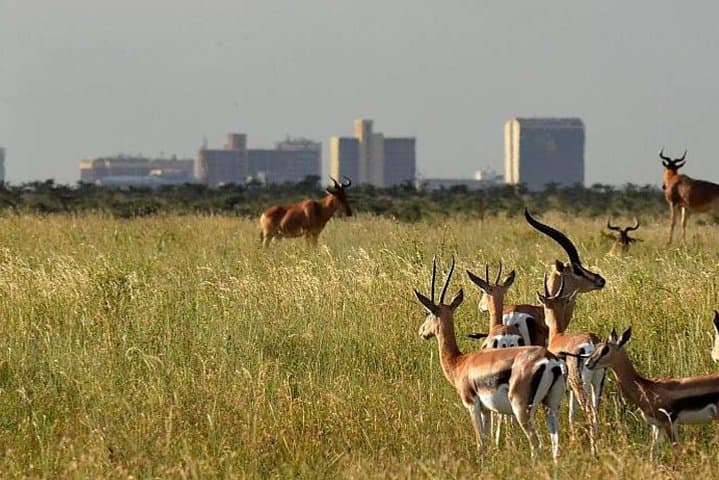
Your half-day safari typically begins with an early morning pickup from Nairobi accommodations, whisking you in an air-conditioned minivan through urban sprawl to the park’s entrance. After registration formalities, the game drive unfolds across grassy plains and thorny bush, where each turn might reveal a tower of giraffes swallowing acacia leaves or a lion pride lounging in cool shade. The juxtaposition of city skyscrapers cropping the horizon serves as a constant reminder of this fragile wild enclave.
Following the game drive, the Elephant Orphanage visit invites an intimate look at feeding and playtime rituals that define conservation success. Knowledgeable guides walk you through the efforts to rehabilitate and prepare elephants for eventual release back into Kenya’s wilderness.
For travelers, mornings bring the crisp advantage of cooler temperatures and active wildlife, so dressing in layers is wise. Sun protection and hydration remain essential; bottled water is included on tours. Safaris here demand no technical skills or fitness level beyond a readiness to sit and observe.
The Nairobi National Park half-day safari is a rare invitation to witness untamed Africa brushing shoulders with metropolitan life. It turns wildlife viewing into a dialogue between urban and wilderness worlds—an adventure both exhilarating and grounding, perfect for those seeking the extraordinary close to home.
easy.
5 hours.
Suitable for all fitness levels; primarily involves sitting and short walks.
It's about a 20 to 30-minute drive (roughly 7 km) from downtown Nairobi, depending on traffic.
You can spot lions, black and white rhinos, giraffes, buffaloes, zebras, hyenas, and various bird species.
Yes, the tour is designed for all ages with minimal physical exertion required.
Park entrance fees are included in the tour; no additional permit is needed beyond your tour booking.
Yes, there are basic restroom facilities at the park’s visitor center.
While water is provided, food is generally not permitted inside the park to avoid disturbing wildlife.
Established in 1946, Nairobi National Park was Kenya’s first national park and remains unique for its urban location.
The park plays a vital role in protecting endangered species and serves as a sanctuary amidst rapid urban expansion.
Kenya Travel Adict operates guided outdoor trips and adventures with an emphasis on safety, stewardship, and memorable experiences.
Just minutes from the buzzing streets of Nairobi, where glass towers slice the skyline and traffic pulses like a heartbeat, the wild calls from Nairobi National Park. This isn’t just any safari; it’s the singular spectacle of a national park grazing at the threshold of a capital city. Step into this realm, and the city’s distant hum gives way to the whisper of grass stirring under the hooves of giraffes, the stealth of lions weaving through acacia shadows, and the ponderous tread of rhinos moving silently across open savannah.
Just minutes from the buzzing streets of Nairobi, where glass towers slice the skyline and traffic pulses like a heartbeat, the wild calls from Nairobi National Park. This isn’t just any safari; it’s the singular spectacle of a national park grazing at the threshold of a capital city. Step into this realm, and the city’s distant hum gives way to the whisper of grass stirring under the hooves of giraffes, the stealth of lions weaving through acacia shadows, and the ponderous tread of rhinos moving silently across open savannah.
Geographically, Nairobi National Park sits on 117 square kilometers of protected land, its flat plains occasionally punctuated by granite outcrops known as kopjes. This unique geological feature offers vantage points both for you and the park’s predators—lions, spotted hyenas, and elusive leopards—ready to claim their stake. The park’s proximity to Nairobi’s hustle means airplanes overhead announce arrivals and departures, blending modern life with wild tradition.
Founded in 1946, Nairobi National Park symbolizes Kenya’s early commitment to conservation amid rapid urban growth. It shelters endangered species, including black rhinos, and serves as a critical migration corridor. Nearby, the David Sheldrick Wildlife Trust’s Elephant Orphanage cares for young elephants rescued from poaching and human-wildlife conflicts, offering a poignant counterpoint of hope amidst the challenges of preservation.
Your half-day safari typically begins with an early morning pickup from Nairobi accommodations, whisking you in an air-conditioned minivan through urban sprawl to the park’s entrance. After registration formalities, the game drive unfolds across grassy plains and thorny bush, where each turn might reveal a tower of giraffes swallowing acacia leaves or a lion pride lounging in cool shade. The juxtaposition of city skyscrapers cropping the horizon serves as a constant reminder of this fragile wild enclave.
Following the game drive, the Elephant Orphanage visit invites an intimate look at feeding and playtime rituals that define conservation success. Knowledgeable guides walk you through the efforts to rehabilitate and prepare elephants for eventual release back into Kenya’s wilderness.
For travelers, mornings bring the crisp advantage of cooler temperatures and active wildlife, so dressing in layers is wise. Sun protection and hydration remain essential; bottled water is included on tours. Safaris here demand no technical skills or fitness level beyond a readiness to sit and observe.
The Nairobi National Park half-day safari is a rare invitation to witness untamed Africa brushing shoulders with metropolitan life. It turns wildlife viewing into a dialogue between urban and wilderness worlds—an adventure both exhilarating and grounding, perfect for those seeking the extraordinary close to home.