THE ADVENTURE COLLECTIVE® · Independent discovery and booking for outdoor travel

Turn a long transit into a compressed safari and cultural exchange: a morning game drive in Nairobi National Park followed by a hands-on visit to the Kazuri bead workshop. Perfect for travelers with a few hours between flights who want wild sightings and local craft experiences.
Turn a long transit into a compressed safari and cultural exchange: a morning game drive in Nairobi National Park followed by a hands-on visit to the Kazuri bead workshop. Perfect for travelers with a few hours between flights who want wild sightings and local craft experiences.
The engine hums down and the city horizon unfolds; within minutes you’re in a pocket of open grassland where acacia trees throw lacy shadows on the plain. Nairobi National Park sits like a wildroom at the edge of a capital—low-slung, wind-swept, and startlingly close to the airport. Expect morning light to illuminate giraffes browsing and lions easing from sleep as the guide pushes the vehicle forward.
Verified experiences and guided adventures in the surrounding area.
Operated by Wellington Ecotours and Safaris · Nairobi, Nairobi County
The engine hums down and the city horizon unfolds; within minutes you’re in a pocket of open grassland where acacia trees throw lacy shadows on the plain. Nairobi National Park sits like a wildroom at the edge of a capital—low-slung, wind-swept, and startlingly close to the airport. Expect morning light to illuminate giraffes browsing and lions easing from sleep as the guide pushes the vehicle forward.
Established in 1946 and covering about 117 km² at roughly 1,650 m elevation, the park protects plains, woodland and a permanent water supply that keeps wildlife moving year-round. Geologically the terrain is flat volcanic plateau, with soils that favor short grasses and hardy shrubs; culturally, the nearby city of Nairobi mixes colonial history with vibrant markets and artisan workshops such as the Kazuri bead factory, a social enterprise that employs single mothers to make painted ceramic beads and hand-rolled jewelry.
On this private stopover you’ll pair a focused wildlife drive (3 hours typical) with a one-hour studio visit to learn bead-making and shop crafts. Practical notes: the tour starts early (often 07:00), park admission is usually separate, and roads can be dusty or muddy depending on rains. Bring binoculars, a camera with a long lens, sun protection and cash for souvenirs and lunch. The pace is easy and accessible—seated game viewing from a vehicle—so it’s a good fit for short stays between flights or a first-time safari introduction.
Timing your visit for dry months improves sighting odds; when rain arrives the landscape turns green and birds become the highlight. Be respectful at craft workshops—ask before photographing—and leave no trace in the park: wildlife depends on minimal disturbance.
easy.
4–5 hours.
Suitable for all fitness levels; activity is primarily seated vehicle game viewing with short, flat walking at the bead workshop
Admission is commonly not included—confirm at booking and bring cash or card to pay the Nairobi National Park fee if required.
The private tour runs about 4–5 hours (the supplier lists 285 minutes), combining a roughly three-hour game drive with a one-hour visit to the Kazuri bead factory.
The supplier notes wheelchair-accessible transport and facilities, but specific assistance needs should be requested at booking to ensure proper accommodation.
Lunch is typically not included; the itinerary allows for a one-hour break where you can eat at a local café or restaurant at your own cost.
Nairobi National Park was established in 1946 as one of the first national parks located adjacent to a capital city and has long been a refuge for Kenya’s plains species.
Urban expansion pressures and traffic require careful management of the park; supporting community enterprises like Kazuri helps local economies and reduces poaching incentives.
Wellington Ecotours and Safaris operates guided outdoor trips and adventures with an emphasis on safety, stewardship, and memorable experiences.


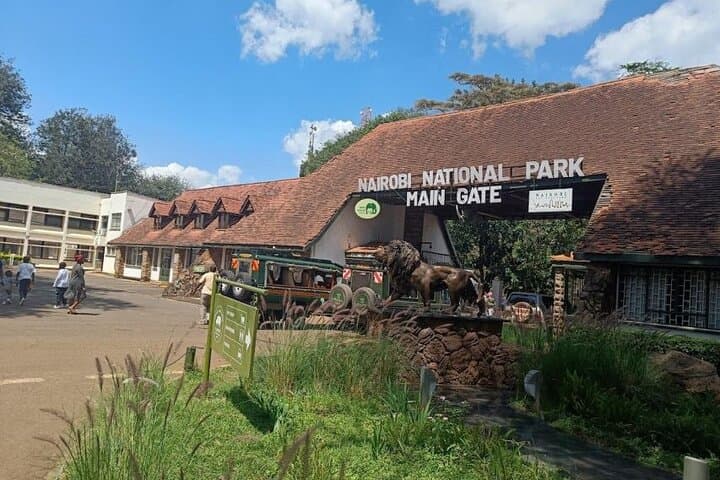
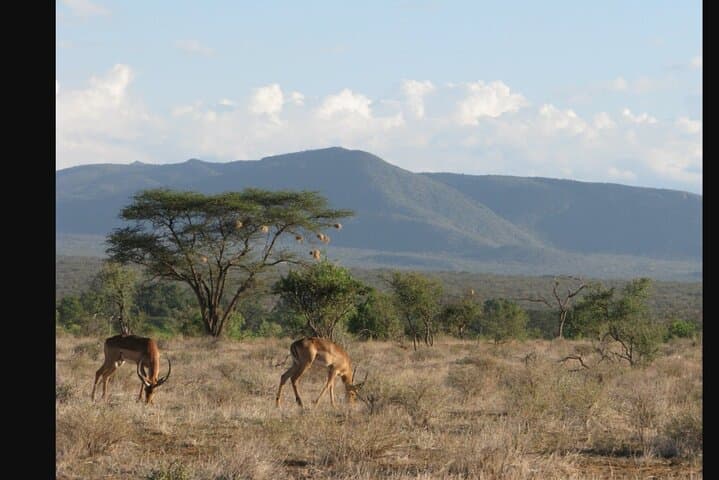
The engine hums down and the city horizon unfolds; within minutes you’re in a pocket of open grassland where acacia trees throw lacy shadows on the plain. Nairobi National Park sits like a wildroom at the edge of a capital—low-slung, wind-swept, and startlingly close to the airport. Expect morning light to illuminate giraffes browsing and lions easing from sleep as the guide pushes the vehicle forward.
The engine hums down and the city horizon unfolds; within minutes you’re in a pocket of open grassland where acacia trees throw lacy shadows on the plain. Nairobi National Park sits like a wildroom at the edge of a capital—low-slung, wind-swept, and startlingly close to the airport. Expect morning light to illuminate giraffes browsing and lions easing from sleep as the guide pushes the vehicle forward.
Established in 1946 and covering about 117 km² at roughly 1,650 m elevation, the park protects plains, woodland and a permanent water supply that keeps wildlife moving year-round. Geologically the terrain is flat volcanic plateau, with soils that favor short grasses and hardy shrubs; culturally, the nearby city of Nairobi mixes colonial history with vibrant markets and artisan workshops such as the Kazuri bead factory, a social enterprise that employs single mothers to make painted ceramic beads and hand-rolled jewelry.
On this private stopover you’ll pair a focused wildlife drive (3 hours typical) with a one-hour studio visit to learn bead-making and shop crafts. Practical notes: the tour starts early (often 07:00), park admission is usually separate, and roads can be dusty or muddy depending on rains. Bring binoculars, a camera with a long lens, sun protection and cash for souvenirs and lunch. The pace is easy and accessible—seated game viewing from a vehicle—so it’s a good fit for short stays between flights or a first-time safari introduction.
Timing your visit for dry months improves sighting odds; when rain arrives the landscape turns green and birds become the highlight. Be respectful at craft workshops—ask before photographing—and leave no trace in the park: wildlife depends on minimal disturbance.