THE ADVENTURE COLLECTIVE® · Independent discovery and booking for outdoor travel

Trace Kenya’s natural history and colonial-era storytelling on a compact half-day trip from central Nairobi. Visit the Nairobi National Museum’s galleries, Snake Park and botanical grounds, then continue to the Karen Blixen house at the foot of the Ngong Hills.
Trace Kenya’s natural history and colonial-era storytelling on a compact half-day trip from central Nairobi. Visit the Nairobi National Museum’s galleries, Snake Park and botanical grounds, then continue to the Karen Blixen house at the foot of the Ngong Hills.
Stepping off the vehicle onto Museum Hill, the city’s hum drops a notch and a green slope opens ahead: lawns, sculpture, and red-brick galleries that catalogue Kenya’s past. Inside the Nairobi National Museum, dioramas, fossils and contemporary art sit under cool galleries; outside, the Snake Park and Botanical Gardens give a quick outdoor counterpoint. Later, the drive to Karen takes you beneath the Ngong Hills’ shadow to a white bungalow with verandas, where the life that inspired Out of Africa still feels tangible.
Verified experiences and guided adventures in the surrounding area.
Operated by Mayfair Tours and Safaris · Nairobi, Nairobi County
Stepping off the vehicle onto Museum Hill, the city’s hum drops a notch and a green slope opens ahead: lawns, sculpture, and red-brick galleries that catalogue Kenya’s past. Inside the Nairobi National Museum, dioramas, fossils and contemporary art sit under cool galleries; outside, the Snake Park and Botanical Gardens give a quick outdoor counterpoint. Later, the drive to Karen takes you beneath the Ngong Hills’ shadow to a white bungalow with verandas, where the life that inspired Out of Africa still feels tangible.
The museum was conceived as the flagship for Kenya’s national collections—culture, nature, history and contemporary art—displaying everything from paleontological finds to post-independence archives. Karen Blixen’s house, built in 1912 and bought by the Blixens in 1917, retains period rooms and a small coffee-plantation history; its location at the foot of the Ngong Hills shaped both the landscape she described and the coffee economy of the era.
Expect an easy-paced half-day excursion: curated galleries, short outdoor walks, and a guided tour of the bungalow and garden. Photographs are allowed in some spaces but restricted in others; footwear should be comfortable for uneven terraces and garden paths. Peak mornings are cooler and quieter; late afternoons can be busy with school groups. Bring water, modest sun protection and time to browse the museum shop; both sites support conservation and cultural education through admissions.
Whether you’re following fossil records, modern art or the route of a 20th-century memoir, the visit combines history with green, walkable grounds—an accessible cultural loop that’s as informative as it is atmospheric.
easy.
3–4 hours.
Light walking ability; suitable for most people who can manage short outdoor paths and steps.
Plan on 3–4 hours total: roughly 90–120 minutes at the National Museum and 45–90 minutes at the Karen Blixen Museum, depending on your pace.
This itinerary typically includes admission to both sites as part of the tour; verify at booking and keep your ticket for re-entry rules.
The National Museum has accessible galleries, though some historic areas and garden paths at Karen Blixen house have steps and limited access—check in advance for specific accommodations.
Yes—both locations have cafes or vendors and restroom facilities; bottled water is often provided on guided tours.
The Nairobi National Museum was established to preserve Kenya’s cultural and natural heritage; the Karen Blixen house dates to 1912 and reflects early 20th-century settler architecture and the coffee plantation era.
Both institutions fund education and conservation programs—respect displays, stay on paths and consider donating or buying from museum shops to support preservation efforts.
Mayfair Tours and Safaris operates guided outdoor trips and adventures with an emphasis on safety, stewardship, and memorable experiences.
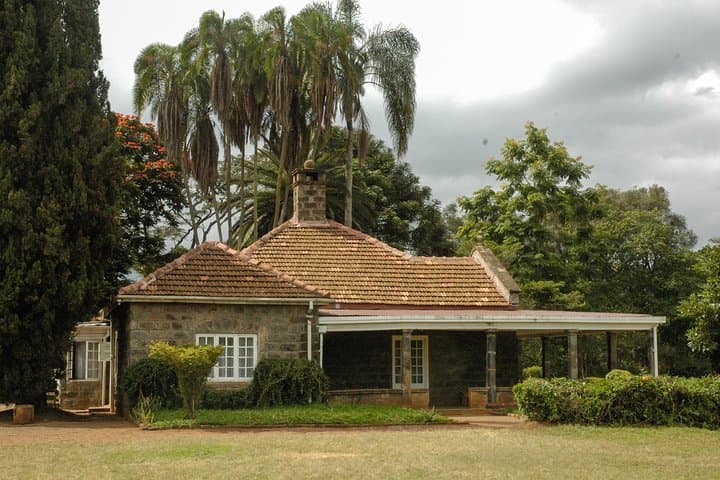
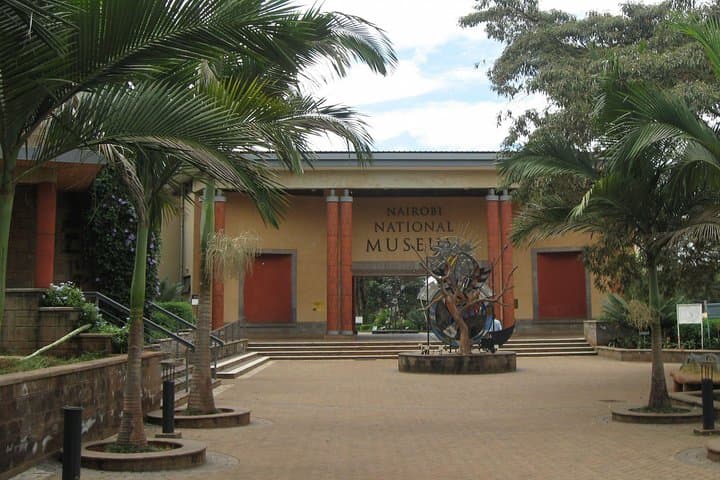
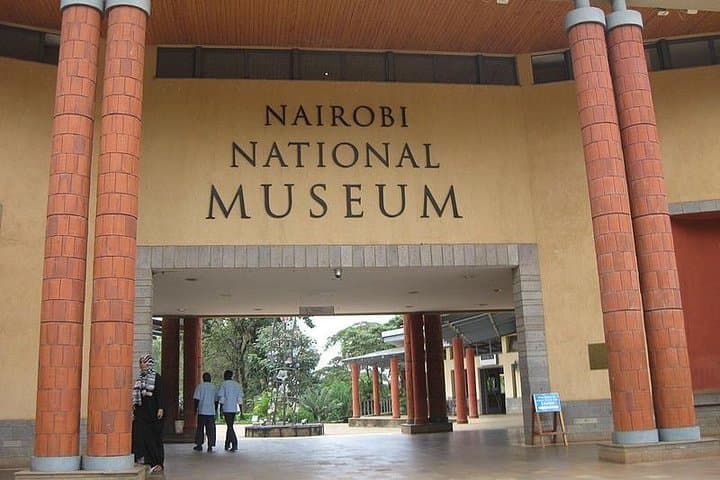
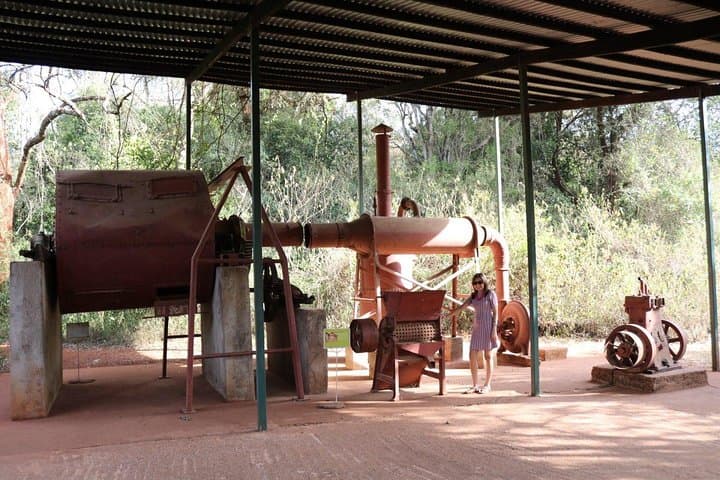
Stepping off the vehicle onto Museum Hill, the city’s hum drops a notch and a green slope opens ahead: lawns, sculpture, and red-brick galleries that catalogue Kenya’s past. Inside the Nairobi National Museum, dioramas, fossils and contemporary art sit under cool galleries; outside, the Snake Park and Botanical Gardens give a quick outdoor counterpoint. Later, the drive to Karen takes you beneath the Ngong Hills’ shadow to a white bungalow with verandas, where the life that inspired Out of Africa still feels tangible.
Stepping off the vehicle onto Museum Hill, the city’s hum drops a notch and a green slope opens ahead: lawns, sculpture, and red-brick galleries that catalogue Kenya’s past. Inside the Nairobi National Museum, dioramas, fossils and contemporary art sit under cool galleries; outside, the Snake Park and Botanical Gardens give a quick outdoor counterpoint. Later, the drive to Karen takes you beneath the Ngong Hills’ shadow to a white bungalow with verandas, where the life that inspired Out of Africa still feels tangible.
The museum was conceived as the flagship for Kenya’s national collections—culture, nature, history and contemporary art—displaying everything from paleontological finds to post-independence archives. Karen Blixen’s house, built in 1912 and bought by the Blixens in 1917, retains period rooms and a small coffee-plantation history; its location at the foot of the Ngong Hills shaped both the landscape she described and the coffee economy of the era.
Expect an easy-paced half-day excursion: curated galleries, short outdoor walks, and a guided tour of the bungalow and garden. Photographs are allowed in some spaces but restricted in others; footwear should be comfortable for uneven terraces and garden paths. Peak mornings are cooler and quieter; late afternoons can be busy with school groups. Bring water, modest sun protection and time to browse the museum shop; both sites support conservation and cultural education through admissions.
Whether you’re following fossil records, modern art or the route of a 20th-century memoir, the visit combines history with green, walkable grounds—an accessible cultural loop that’s as informative as it is atmospheric.