THE ADVENTURE COLLECTIVE® · Independent discovery and booking for outdoor travel

Move through a bustling Nairobi market, ride a matatu, then cook a traditional Kenyan meal in a local home. This 3–3.5 hour experience pairs hands-on food prep with cultural context and practical tips.
Move through a bustling Nairobi market, ride a matatu, then cook a traditional Kenyan meal in a local home. This 3–3.5 hour experience pairs hands-on food prep with cultural context and practical tips.
You step off the matatu into a corridor of voices and produce that seems to dare you to choose. The market folds open—crates of greens, piles of tubers, peppers like small suns—and a food writer leads the flow, pointing out sellers, varieties of sukuma wiki, and the odd fruit you’ll learn to name in Swahili.
Verified experiences and guided adventures in the surrounding area.
Operated by Local Experience Tours · Nairobi, Nairobi County
You step off the matatu into a corridor of voices and produce that seems to dare you to choose. The market folds open—crates of greens, piles of tubers, peppers like small suns—and a food writer leads the flow, pointing out sellers, varieties of sukuma wiki, and the odd fruit you’ll learn to name in Swahili.
Markets in Nairobi grew with the city: trading routes from highland farms converge here, feeding urban neighborhoods and preserving regional farming knowledge. Geology matters too—rich volcanic soils from the central highlands supply the market’s fresh vegetables, and that freshness is the backbone of Kenyan home cooking.
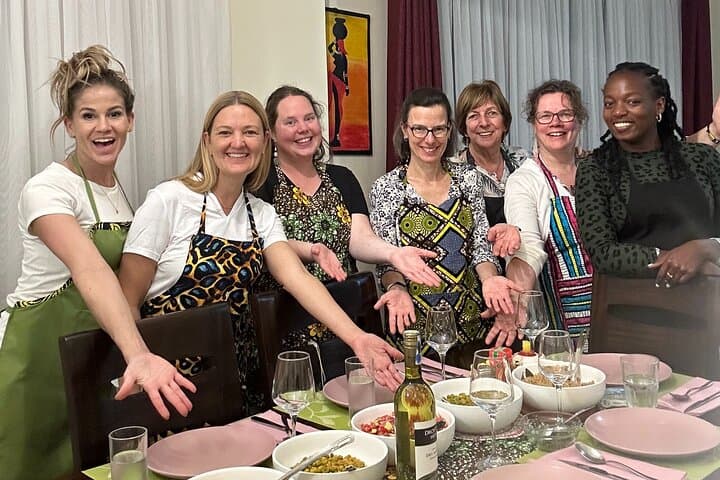
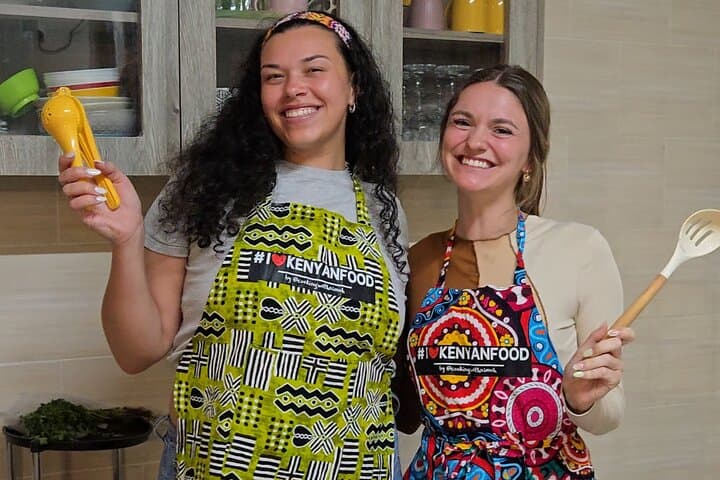
Culturally, this experience layers public life and private kitchens: a matatu ride through city rhythms, bargaining at a stall, then hands-on preparation in a wheelchair-accessible home kitchen where ugali, stews, and vegetable sides are made from scratch. The host, an established food writer, explains ingredients, substitutions for dietary needs, and how communal meals organize daily life.
Practically, expect 3–3.5 hours that combine walking, a short public-transport ride, and seated cooking. You’ll shop for ingredients (included), then chop and cook together; guests can watch or participate. Vegetarian, pescatarian, and gluten-free options are available with advance notice. Bring comfortable shoes for uneven market surfaces, small bills for incidental purchases, and an appetite for hands-on learning. The class finishes with a shared meal and leftovers to take home—an efficient, sensory way to leave the city with new skills and a clearer sense of Nairobi’s foodways.
easy.
3–3.5 hours.
Light activity: comfortable walking and standing for short periods; minimal exertion required
No — the class is designed for all skill levels; you can watch, assist, or take a full role in preparation.
Yes — guests may skip the market and join directly at the cooking location if they prefer a shorter experience.
Yes — vegetarian, pescatarian, and gluten-free options are available if you inform the host when booking.
The cooking location has lifts and is wheelchair accessible; let the host know in advance about mobility needs so arrangements can be made.
Nairobi’s markets evolved from colonial-era trading posts and nearby highland farms; they remain central nodes for food exchange and community ties.
Support small-scale farmers by buying local produce; avoid single-use plastics by bringing reusable bags and minimizing food waste.
Local Experience Tours operates guided outdoor trips and adventures with an emphasis on safety, stewardship, and memorable experiences.


You step off the matatu into a corridor of voices and produce that seems to dare you to choose. The market folds open—crates of greens, piles of tubers, peppers like small suns—and a food writer leads the flow, pointing out sellers, varieties of sukuma wiki, and the odd fruit you’ll learn to name in Swahili.
You step off the matatu into a corridor of voices and produce that seems to dare you to choose. The market folds open—crates of greens, piles of tubers, peppers like small suns—and a food writer leads the flow, pointing out sellers, varieties of sukuma wiki, and the odd fruit you’ll learn to name in Swahili.
Markets in Nairobi grew with the city: trading routes from highland farms converge here, feeding urban neighborhoods and preserving regional farming knowledge. Geology matters too—rich volcanic soils from the central highlands supply the market’s fresh vegetables, and that freshness is the backbone of Kenyan home cooking.
Culturally, this experience layers public life and private kitchens: a matatu ride through city rhythms, bargaining at a stall, then hands-on preparation in a wheelchair-accessible home kitchen where ugali, stews, and vegetable sides are made from scratch. The host, an established food writer, explains ingredients, substitutions for dietary needs, and how communal meals organize daily life.
Practically, expect 3–3.5 hours that combine walking, a short public-transport ride, and seated cooking. You’ll shop for ingredients (included), then chop and cook together; guests can watch or participate. Vegetarian, pescatarian, and gluten-free options are available with advance notice. Bring comfortable shoes for uneven market surfaces, small bills for incidental purchases, and an appetite for hands-on learning. The class finishes with a shared meal and leftovers to take home—an efficient, sensory way to leave the city with new skills and a clearer sense of Nairobi’s foodways.