THE ADVENTURE COLLECTIVE® · Independent discovery and booking for outdoor travel

Spend a morning feeding giraffes, visiting a wildlife orphanage where rescued animals are rehabilitated, and ending with a lively cultural showcase at Bomas of Kenya. This compact private tour blends close wildlife encounters with living cultural history—ideal for families and first-time visitors.
Spend a morning feeding giraffes, visiting a wildlife orphanage where rescued animals are rehabilitated, and ending with a lively cultural showcase at Bomas of Kenya. This compact private tour blends close wildlife encounters with living cultural history—ideal for families and first-time visitors.
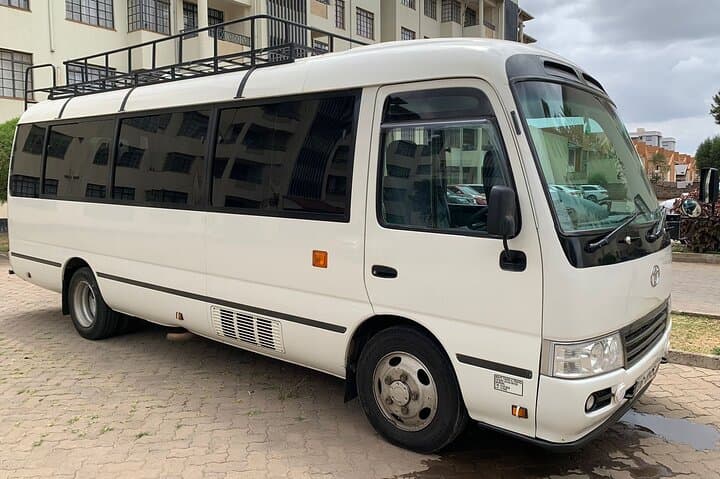
Morning light slices between glass towers at the Kenyatta International Conference Centre as your private vehicle pulls away—Nairobi’s pulse moving from asphalt to acacia-lined outskirts in under 30 minutes.
Verified experiences and guided adventures in the surrounding area.
Operated by Jessie Okwado · Nairobi, Nairobi
Morning light slices between glass towers at the Kenyatta International Conference Centre as your private vehicle pulls away—Nairobi’s pulse moving from asphalt to acacia-lined outskirts in under 30 minutes.
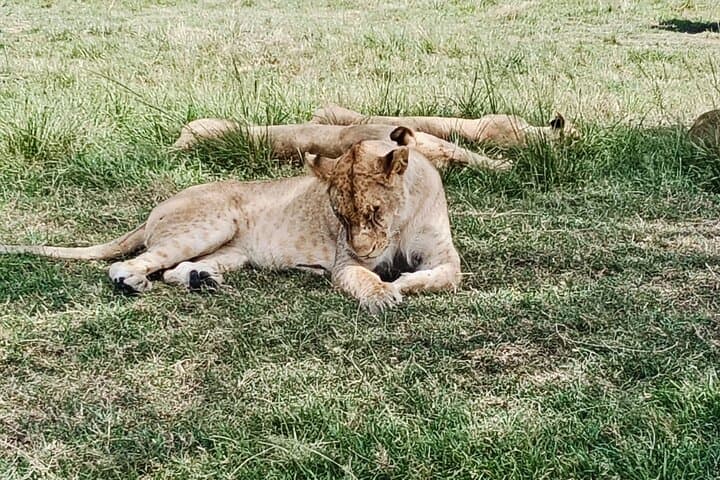
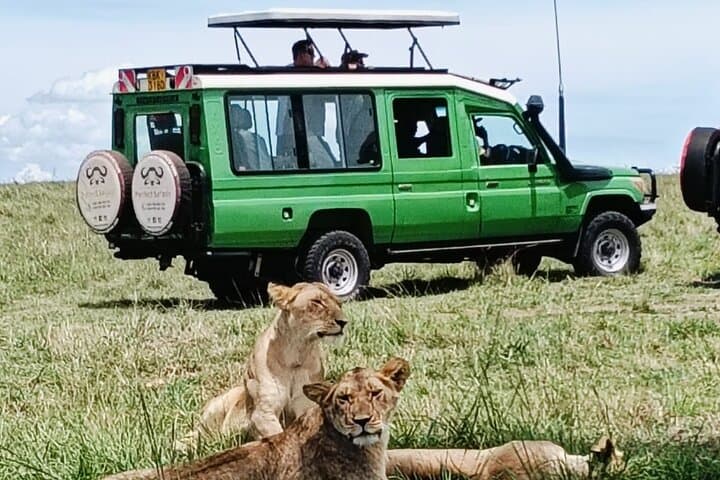
At the Giraffe Centre you’ll stand eye-to-eye with reticulated giraffes, palms raised to accept a browse of pellets; the orphanage that follows houses rescued wildlife—reported to include buffalo and lion—offering a close, controlled view of animals that once roamed the surrounding plains. The day closes at Bomas of Kenya where living culture and traditional homesteads animate the city with song and dance.
Nairobi sits on the high Nairobi Plateau at roughly 1,795 meters; its rise as a colonial rail hub in the early 20th century set the stage for a capital that balances urban growth with protected pockets of savanna. Giraffe conservation and animal rescue are part of a broader local ethic: facilities in this itinerary emphasize rehabilitation and education over entertainment.
Practical guidance: tours usually run about three hours with pickup at KICC opposite the National Assembly—confirm the exact entrance at booking. Morning departures are best for animal interactions when keepers feed and explain behavior. Wear sturdy shoes for short walks, sun protection, and bring small Kenyan shillings for donations or local crafts. Photography is encouraged but respect enclosures and follow guide instructions—do not attempt to touch animals outside supervised areas.
Accessibility is good: sites report wheelchair access and infant seats. Expect light urban traffic; keep timing flexible and allow extra time if you plan to linger at the cultural performances.
moderate.
2–3 hours.
Light to moderate fitness; includes short walks and some standing during feedings and performances.
Yes—sites are family-friendly and the itinerary notes no age limits; infant seats are available for transport.
Yes—transportation and sites report wheelchair accessibility, but contact the operator to confirm specific needs in advance.
Feeding is supervised and only allowed at designated stations like the giraffe feeding platform under guide instruction.
Pickup is typically at KICC opposite the National Assembly—confirm the exact entrance and time when you book.
Nairobi grew from a colonial railway depot into Kenya’s capital and preserves cultural memory through venues like Bomas that celebrate tribal traditions.
Orphanages and the Giraffe Centre focus on rehabilitation and education; donations and responsible photography support ongoing care and local conservation efforts.
Jessie Okwado operates guided outdoor trips and adventures with an emphasis on safety, stewardship, and memorable experiences.
Morning light slices between glass towers at the Kenyatta International Conference Centre as your private vehicle pulls away—Nairobi’s pulse moving from asphalt to acacia-lined outskirts in under 30 minutes.
Morning light slices between glass towers at the Kenyatta International Conference Centre as your private vehicle pulls away—Nairobi’s pulse moving from asphalt to acacia-lined outskirts in under 30 minutes.
At the Giraffe Centre you’ll stand eye-to-eye with reticulated giraffes, palms raised to accept a browse of pellets; the orphanage that follows houses rescued wildlife—reported to include buffalo and lion—offering a close, controlled view of animals that once roamed the surrounding plains. The day closes at Bomas of Kenya where living culture and traditional homesteads animate the city with song and dance.
Nairobi sits on the high Nairobi Plateau at roughly 1,795 meters; its rise as a colonial rail hub in the early 20th century set the stage for a capital that balances urban growth with protected pockets of savanna. Giraffe conservation and animal rescue are part of a broader local ethic: facilities in this itinerary emphasize rehabilitation and education over entertainment.
Practical guidance: tours usually run about three hours with pickup at KICC opposite the National Assembly—confirm the exact entrance at booking. Morning departures are best for animal interactions when keepers feed and explain behavior. Wear sturdy shoes for short walks, sun protection, and bring small Kenyan shillings for donations or local crafts. Photography is encouraged but respect enclosures and follow guide instructions—do not attempt to touch animals outside supervised areas.
Accessibility is good: sites report wheelchair access and infant seats. Expect light urban traffic; keep timing flexible and allow extra time if you plan to linger at the cultural performances.