THE ADVENTURE COLLECTIVE® · Independent discovery and booking for outdoor travel

A compact, 4–6 hour loop through Karen for close giraffe encounters, an elephant orphanage visit, and a stop at Kazuri Beads. Perfect for travelers who want wildlife, conservation stories, and local craft in one half-day.
A compact, 4–6 hour loop through Karen for close giraffe encounters, an elephant orphanage visit, and a stop at Kazuri Beads. Perfect for travelers who want wildlife, conservation stories, and local craft in one half-day.
You step off the minivan into a sliver of green that feels unlike the busy streets of Nairobi: giraffes lift long necks, the breeze teases eucalyptus leaves, and the soft trumpet of an elephant echoes from a nearby orphanage. This half-day loop through Karen gives a concentrated taste of Kenya’s wildlife and living craft traditions without leaving the city limits.
Verified experiences and guided adventures in the surrounding area.
Operated by Flight & Safaris International Ltd · Nairobi, Nairobi County
You step off the minivan into a sliver of green that feels unlike the busy streets of Nairobi: giraffes lift long necks, the breeze teases eucalyptus leaves, and the soft trumpet of an elephant echoes from a nearby orphanage. This half-day loop through Karen gives a concentrated taste of Kenya’s wildlife and living craft traditions without leaving the city limits.
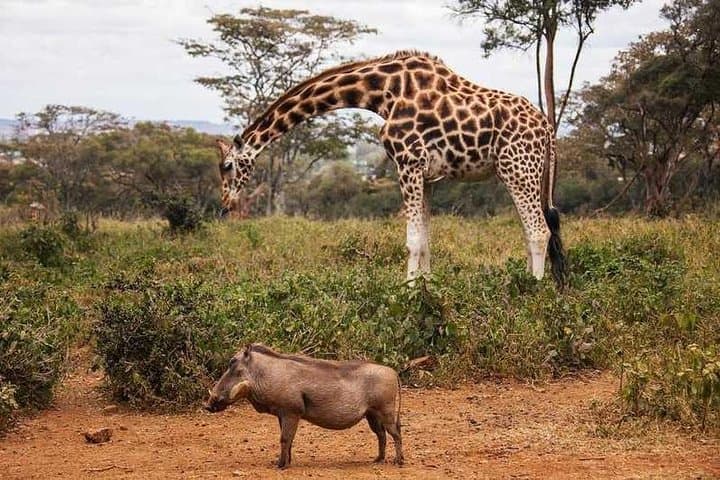
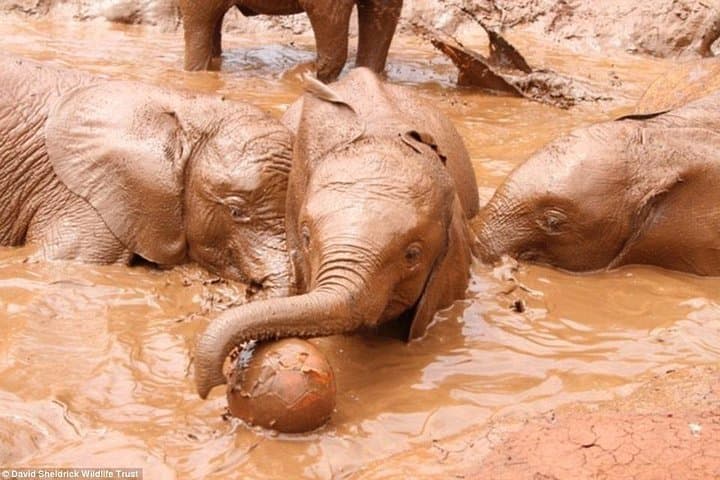
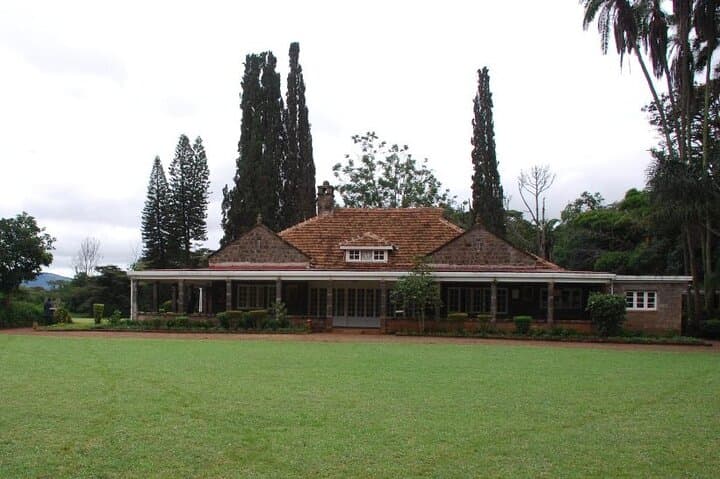
The route threads three distinctive stops. At the Giraffe Centre you stand on an elevated boardwalk and feed Rothschild giraffes eye-to-soul; these approachable herbivores seem to study you back, curious and deliberate. The David Sheldrick Elephant Orphanage rescues and rehabilitates abandoned calves — a place with raw emotion and conservation work visible in every mud-spattered trunk. Kazuri Beads is a contrast: a small factory where hand-rolled clay beads and local women’s entrepreneurship connect culture and craft, producing colorful, tactile souvenirs. Nearby, the Karen Blixen Museum offers a colonial-era literary context to the landscape, set against the gentle slopes of the Ngong Hills.
Geologically this part of Nairobi sits on the eastern rim of the Rift Valley plateau; soils are redder here, and the urban-forest mosaic supports diverse birdlife. Expect short walks on flat, sometimes paved paths, light animal viewing, and opportunities to shop and learn about local artisans.
Practical guidance: plan for a 4–6 hour window, bring sun protection, and carry small cash for purchases and tips. Morning visits are cooler and busier at animal centers; afternoons can be quieter. The experience pairs accessible wildlife viewing with cultural insight — ideal for travelers short on time but eager to connect with Kenya’s living landscapes.
easy.
4–6 hours.
Suitable for most fitness levels; requires short, flat walks and standing during viewing
Standard tour listings often exclude park entrance fees; confirm with the operator before booking so you can prepare admission payments.
Yes — the itinerary is family-friendly with short walks and close but controlled animal encounters; check age policies for feeding activities.
Tipping is appreciated but discretionary; small cash tips for guides and staff at the orphanage or bead factory are common.
Private transportation is included in this tour, with pickup and drop-off options—confirm your pickup point when booking.
The Karen area preserves colonial-era sites tied to European settler history and literary figure Karen Blixen; the conservation movement here grew from grassroots efforts such as the David Sheldrick Wildlife Trust.
Both the Sheldrick Trust and Giraffe Centre focus on rescue, rehabilitation and education; visitors support these programs through entrance fees, donations, and responsible behavior.
Flight & Safaris International Ltd operates guided outdoor trips and adventures with an emphasis on safety, stewardship, and memorable experiences.
You step off the minivan into a sliver of green that feels unlike the busy streets of Nairobi: giraffes lift long necks, the breeze teases eucalyptus leaves, and the soft trumpet of an elephant echoes from a nearby orphanage. This half-day loop through Karen gives a concentrated taste of Kenya’s wildlife and living craft traditions without leaving the city limits.
You step off the minivan into a sliver of green that feels unlike the busy streets of Nairobi: giraffes lift long necks, the breeze teases eucalyptus leaves, and the soft trumpet of an elephant echoes from a nearby orphanage. This half-day loop through Karen gives a concentrated taste of Kenya’s wildlife and living craft traditions without leaving the city limits.
The route threads three distinctive stops. At the Giraffe Centre you stand on an elevated boardwalk and feed Rothschild giraffes eye-to-soul; these approachable herbivores seem to study you back, curious and deliberate. The David Sheldrick Elephant Orphanage rescues and rehabilitates abandoned calves — a place with raw emotion and conservation work visible in every mud-spattered trunk. Kazuri Beads is a contrast: a small factory where hand-rolled clay beads and local women’s entrepreneurship connect culture and craft, producing colorful, tactile souvenirs. Nearby, the Karen Blixen Museum offers a colonial-era literary context to the landscape, set against the gentle slopes of the Ngong Hills.
Geologically this part of Nairobi sits on the eastern rim of the Rift Valley plateau; soils are redder here, and the urban-forest mosaic supports diverse birdlife. Expect short walks on flat, sometimes paved paths, light animal viewing, and opportunities to shop and learn about local artisans.
Practical guidance: plan for a 4–6 hour window, bring sun protection, and carry small cash for purchases and tips. Morning visits are cooler and busier at animal centers; afternoons can be quieter. The experience pairs accessible wildlife viewing with cultural insight — ideal for travelers short on time but eager to connect with Kenya’s living landscapes.