THE ADVENTURE COLLECTIVE® · Independent discovery and booking for outdoor travel

Half a day in Nairobi that pairs the National Museum’s cultural and natural history with the sober August 7th Memorial and a panoramic rooftop view from the KICC. Ideal for curious travelers wanting an efficient cultural overview of the city.
Half a day in Nairobi that pairs the National Museum’s cultural and natural history with the sober August 7th Memorial and a panoramic rooftop view from the KICC. Ideal for curious travelers wanting an efficient cultural overview of the city.
You step from your Nairobi hotel into a morning that smells of hot pavement and roasted coffee, the city unfolding in blocks of glass, jacaranda, and honking matatus. A driver-guide leads the way up Museum Hill, where the Nairobi National Museum’s low, modernist façade holds displays that pull human history and East Africa’s wild edges into the same room.
Verified experiences and guided adventures in the surrounding area.
Operated by Shagami Kenya Tours and Safaris · Nairobi, Nairobi County
You step from your Nairobi hotel into a morning that smells of hot pavement and roasted coffee, the city unfolding in blocks of glass, jacaranda, and honking matatus. A driver-guide leads the way up Museum Hill, where the Nairobi National Museum’s low, modernist façade holds displays that pull human history and East Africa’s wild edges into the same room.
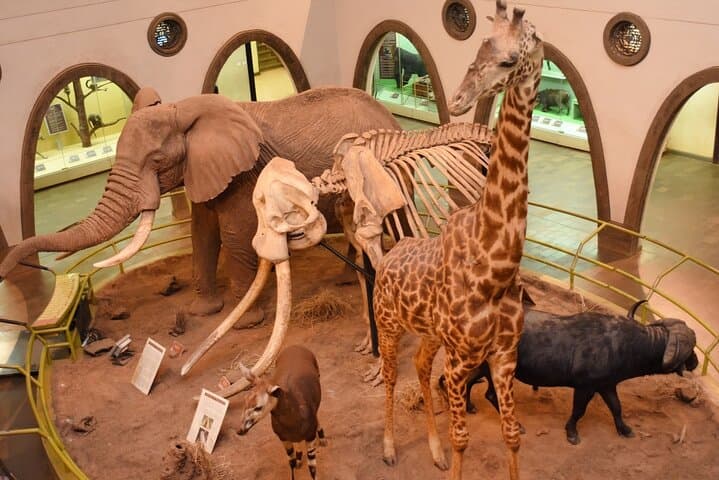
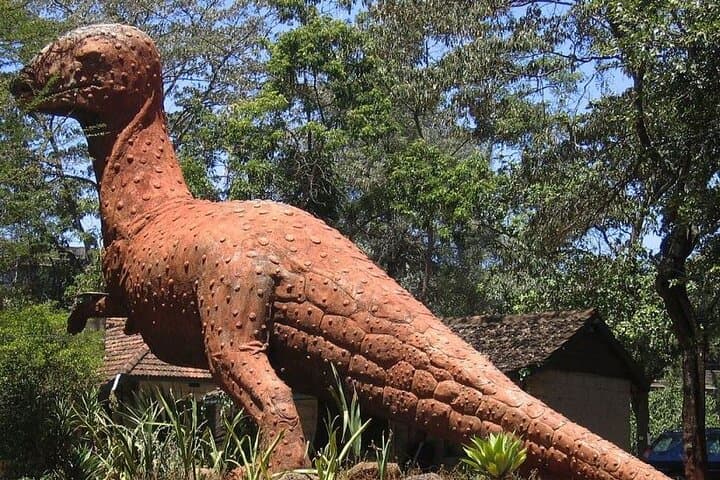
The museum, founded in 1920, frames Kenya’s archaeology, ethnography and natural history—early hominid finds sit near taxidermy and botanical exhibits that explain the Rift Valley’s shaping of life here. From there the walk to August 7th Memorial Park is short and sober; the memorial records the 1998 bombing and locals treat it with quiet respect. The Kenyatta International Conference Centre rooftop offers a wide, urban prospect—city blocks, river corridors, and distant green hills where seasonal rivers push and pull the landscape.
Culturally the tour moves between civic memory and museum interpretation: expect curated narratives, colonial-era archives, and lively modern Kenyan art. Geologically, the city sits on the eastern edge of the Rift system—look for displays connecting fossils to shifting land.
Practical guidance: wear comfortable walking shoes for mixed pavement and museum steps, carry water, and bring a light layer for rooftop breezes. Plan a mid-day lunch at a nearby restaurant to taste regional stews and grilled nyama choma. The tour is largely accessible, lasts about half a day, and pairs history with clear city views—an efficient primer on Nairobi’s past and present.
easy.
4 hours.
Suitable for most fitness levels; requires short urban walks and standing during museum exhibits.
Yes, the tour includes pickup and drop-off from most central Nairobi hotels as stated in the booking details.
Admission to the Nairobi National Museum and access to the KICC rooftop are included in this tour.
No—lunch at a local restaurant is offered during the itinerary but is at your own expense.
Yes; the itinerary is classified as physically easy, though museum exhibits involve standing and some walking—request assistance at booking if mobility support is needed.
Nairobi grew rapidly after the railway arrived in 1896; the National Museum, established in 1920, preserves artifacts and exhibits that trace human and natural history across Kenya.
The museum promotes conservation education through its natural history displays and community programs; visitors are encouraged to carry reusable bottles and respect exhibit rules to minimize impact.
Shagami Kenya Tours and Safaris operates guided outdoor trips and adventures with an emphasis on safety, stewardship, and memorable experiences.
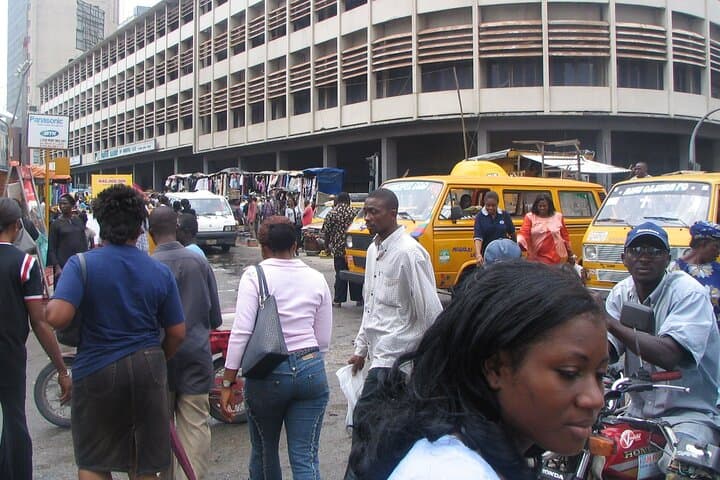
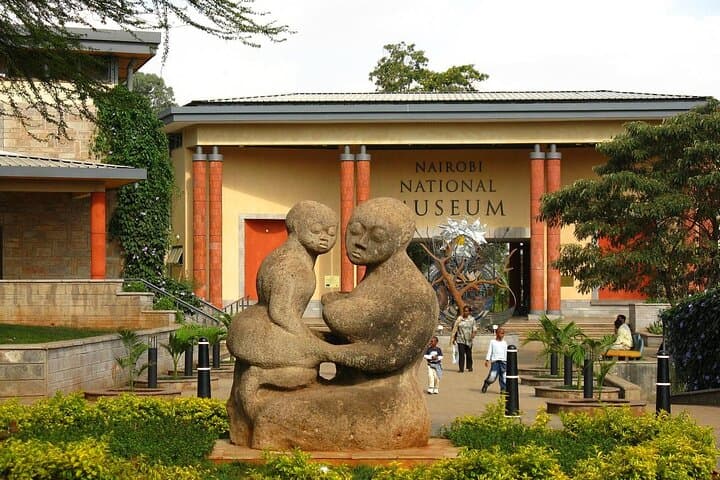
You step from your Nairobi hotel into a morning that smells of hot pavement and roasted coffee, the city unfolding in blocks of glass, jacaranda, and honking matatus. A driver-guide leads the way up Museum Hill, where the Nairobi National Museum’s low, modernist façade holds displays that pull human history and East Africa’s wild edges into the same room.
You step from your Nairobi hotel into a morning that smells of hot pavement and roasted coffee, the city unfolding in blocks of glass, jacaranda, and honking matatus. A driver-guide leads the way up Museum Hill, where the Nairobi National Museum’s low, modernist façade holds displays that pull human history and East Africa’s wild edges into the same room.
The museum, founded in 1920, frames Kenya’s archaeology, ethnography and natural history—early hominid finds sit near taxidermy and botanical exhibits that explain the Rift Valley’s shaping of life here. From there the walk to August 7th Memorial Park is short and sober; the memorial records the 1998 bombing and locals treat it with quiet respect. The Kenyatta International Conference Centre rooftop offers a wide, urban prospect—city blocks, river corridors, and distant green hills where seasonal rivers push and pull the landscape.
Culturally the tour moves between civic memory and museum interpretation: expect curated narratives, colonial-era archives, and lively modern Kenyan art. Geologically, the city sits on the eastern edge of the Rift system—look for displays connecting fossils to shifting land.
Practical guidance: wear comfortable walking shoes for mixed pavement and museum steps, carry water, and bring a light layer for rooftop breezes. Plan a mid-day lunch at a nearby restaurant to taste regional stews and grilled nyama choma. The tour is largely accessible, lasts about half a day, and pairs history with clear city views—an efficient primer on Nairobi’s past and present.