THE ADVENTURE COLLECTIVE® · Independent discovery and booking for outdoor travel

Spend a morning feeding Rothschild giraffes and, on request, visit orphaned baby elephants rescued from the wild. This tour mixes close animal encounters with conservation education and local culture.
Spend a morning feeding Rothschild giraffes and, on request, visit orphaned baby elephants rescued from the wild. This tour mixes close animal encounters with conservation education and local culture.
You arrive on a sun-warmed track in Lang'ata, the city’s bustle falling away as towered necks crop the acacia tops. The Giraffe Centre opens like a classroom of elongated gestures: handlers offer pellets and the giraffes lean in with slow, deliberate curiosity — tongues probing, eyes calm. The encounter focuses on the endangered Rothschild giraffe and the everyday work of captive breeding and education.
Verified experiences and guided adventures in the surrounding area.
Operated by African Beast tours and safaris · Nairobi, Nairobi County
You arrive on a sun-warmed track in Lang'ata, the city’s bustle falling away as towered necks crop the acacia tops. The Giraffe Centre opens like a classroom of elongated gestures: handlers offer pellets and the giraffes lean in with slow, deliberate curiosity — tongues probing, eyes calm. The encounter focuses on the endangered Rothschild giraffe and the everyday work of captive breeding and education.
The site sits on land once part of colonial farms and today serves as a conservation outpost: an accessible window into Kenya’s larger efforts to protect megafauna. Nearby volcanic soils and rolling plains shaped the savanna grasses the giraffes feed on, while Nairobi’s urban edge sustains a mix of community artisans and small ecotourism initiatives such as the adjacent Kazuri Beads workshop.
Practicalities matter: tours typically run 3–7 hours with straightforward, flat walking paths and short raised platforms for feeding. The optional visit to the David Sheldrick Elephant Orphanage introduces you to rescued baby elephants and the intensive rehabilitation they require; space is limited and advance notice is essential for access. Expect clear conservation messaging, close animal viewing from controlled distances, and friendly guides who explain breeding programs, anti-poaching pressures, and local livelihoods tied to tourism.
Bring sun protection, modest layers for early mornings, and small cash for entry fees or local crafts. The experience is immersive but pragmatic — you’ll leave with a better understanding of species recovery, community benefit programs, and tangible actions that help these animals survive near a fast-growing city.
easy.
3–7 hours.
Suitable for most visitors; requires short periods of standing and easy walking on flat paths.
The giraffe centre entrance is included; the elephant orphanage visit requires a separate 15 USD per person donation and must be requested in advance due to visitor limits.
Yes — the itinerary notes wheelchair accessibility and accessible surfaces at the Giraffe Centre; contact the operator ahead to confirm vehicle and site arrangements.
Typical stops are about an hour at the Giraffe Centre and one hour at the orphanage or Kazuri Beads, with travel and optional lunch bringing total time to 3–7 hours depending on choices.
Yes — the experience is family-friendly; infant seats and accessible areas are available, but children should be supervised around animals and feeding platforms.
The Giraffe Centre began as a private breeding and education initiative to save the endangered Rothschild giraffe and has become a public conservation and community program.
Visits support on-the-ground breeding and rehabilitation programs; follow-site rules help minimize stress on animals and support long-term recovery efforts.
African Beast tours and safaris operates guided outdoor trips and adventures with an emphasis on safety, stewardship, and memorable experiences.
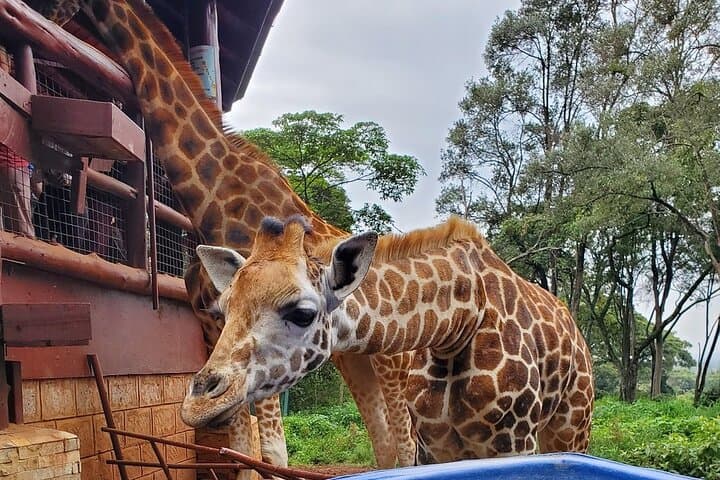
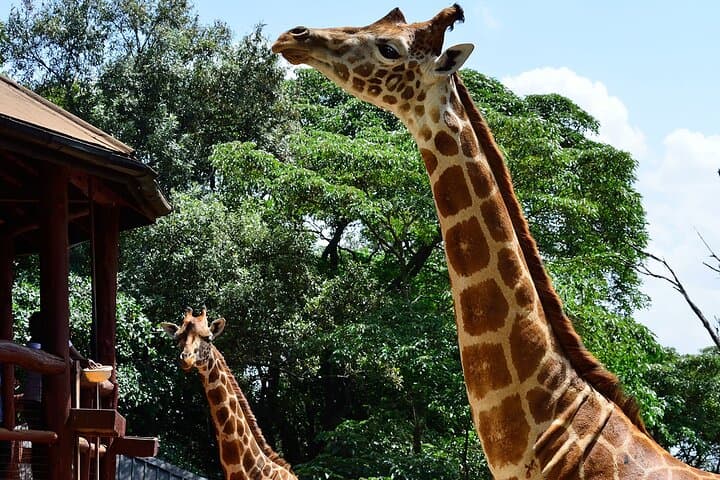
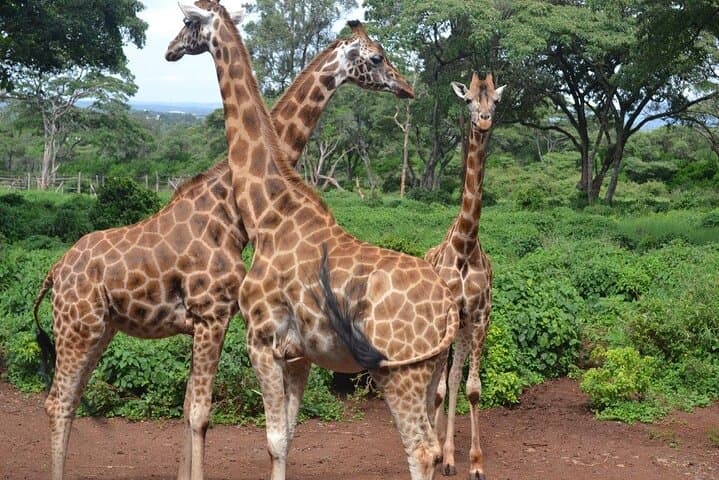
You arrive on a sun-warmed track in Lang'ata, the city’s bustle falling away as towered necks crop the acacia tops. The Giraffe Centre opens like a classroom of elongated gestures: handlers offer pellets and the giraffes lean in with slow, deliberate curiosity — tongues probing, eyes calm. The encounter focuses on the endangered Rothschild giraffe and the everyday work of captive breeding and education.
You arrive on a sun-warmed track in Lang'ata, the city’s bustle falling away as towered necks crop the acacia tops. The Giraffe Centre opens like a classroom of elongated gestures: handlers offer pellets and the giraffes lean in with slow, deliberate curiosity — tongues probing, eyes calm. The encounter focuses on the endangered Rothschild giraffe and the everyday work of captive breeding and education.
The site sits on land once part of colonial farms and today serves as a conservation outpost: an accessible window into Kenya’s larger efforts to protect megafauna. Nearby volcanic soils and rolling plains shaped the savanna grasses the giraffes feed on, while Nairobi’s urban edge sustains a mix of community artisans and small ecotourism initiatives such as the adjacent Kazuri Beads workshop.
Practicalities matter: tours typically run 3–7 hours with straightforward, flat walking paths and short raised platforms for feeding. The optional visit to the David Sheldrick Elephant Orphanage introduces you to rescued baby elephants and the intensive rehabilitation they require; space is limited and advance notice is essential for access. Expect clear conservation messaging, close animal viewing from controlled distances, and friendly guides who explain breeding programs, anti-poaching pressures, and local livelihoods tied to tourism.
Bring sun protection, modest layers for early mornings, and small cash for entry fees or local crafts. The experience is immersive but pragmatic — you’ll leave with a better understanding of species recovery, community benefit programs, and tangible actions that help these animals survive near a fast-growing city.