THE ADVENTURE COLLECTIVE® · Independent discovery and booking for outdoor travel

Spend a half-day in Nairobi meeting Rothschild giraffes on raised platforms and watching orphaned elephants play at the David Sheldrick Wildlife Trust. This accessible, conservation-focused visit pairs close encounters with practical lessons on wildlife rescue and reintroduction.
Spend a half-day in Nairobi meeting Rothschild giraffes on raised platforms and watching orphaned elephants play at the David Sheldrick Wildlife Trust. This accessible, conservation-focused visit pairs close encounters with practical lessons on wildlife rescue and reintroduction.
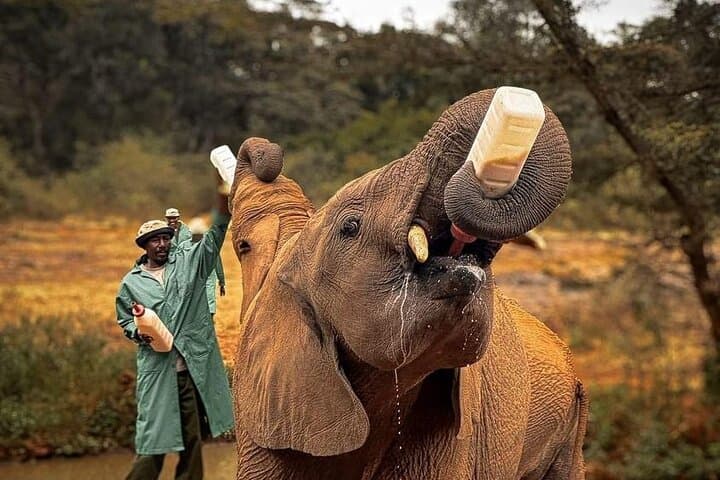
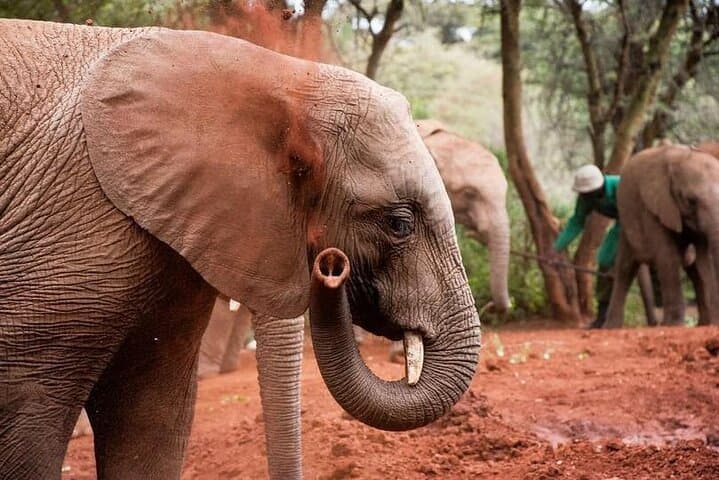
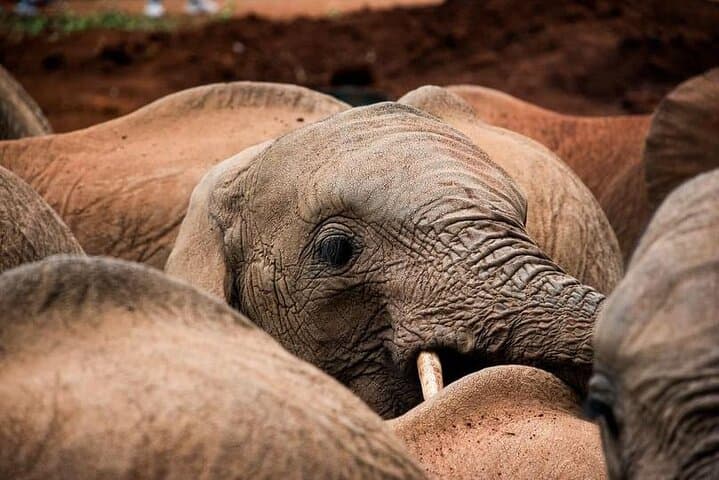
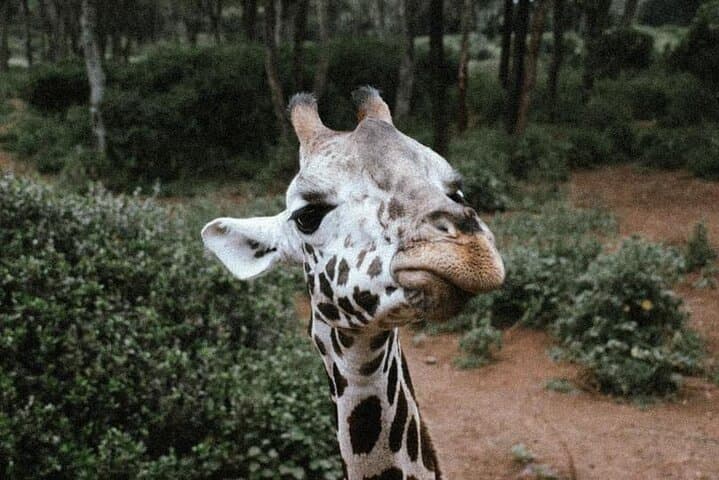
You step out of traffic into a patch of grass and raised wooden platforms where a long-necked face leans toward the feeder—curious, patient, and unafraid. A short drive away, mud-splattered elephant calves romp under the attentive watch of keepers, trunks swinging like playful question marks. The two sites sit on the western edge of Nairobi’s urban sprawl, offering an unusually intimate window into Kenyan conservation within minutes of the city.
Verified experiences and guided adventures in the surrounding area.
Operated by Visit Kibera Expeditions · Nairobi, Nairobi County
You step out of traffic into a patch of grass and raised wooden platforms where a long-necked face leans toward the feeder—curious, patient, and unafraid. A short drive away, mud-splattered elephant calves romp under the attentive watch of keepers, trunks swinging like playful question marks. The two sites sit on the western edge of Nairobi’s urban sprawl, offering an unusually intimate window into Kenyan conservation within minutes of the city.
The Giraffe Centre began as a grassroots breeding program for Rothschild giraffes in the late 1970s and now pairs close-up encounters with classroom-style conservation messaging. The David Sheldrick Wildlife Trust grew from one family’s rescue work into a globally recognized elephant orphanage and reintroduction program. Geologically the area is a low-lying savanna plain at the southern rim of the Nairobi Plateau, where grassland gives way to patches of acacia and introduced trees that shade visitor paths.
Expect hands-on moments—feeding giraffes from platforms and watching orphaned elephants being bottle-fed and bathed—alongside short nature walks. Both sites emphasize education: adopt-an-elephant programs, school initiatives, and guided interpretive talks.
Practical guidance: visits typically take 2–3 hours; plan to arrive early and catch the DSWT public viewing around 11:00. Wear closed shoes for uneven paths, bring sun protection and a refillable bottle, and keep voices low around animals. Photography is welcome but avoid flash and sudden movements. These visits are family-friendly and largely accessible, but remember the animals dictate the pace—observe their behavior, follow keeper instructions, and support conservation through donations or adoptions.
easy.
2–3 hours.
Suitable for most fitness levels; involves short walks and standing during viewing sessions.
Typical visits last about 2–3 hours, with roughly one hour at each site as part of most combined tours.
Yes—giraffe feeding is done from raised platforms with approved food; elephant feeding is controlled by keepers during scheduled public sessions.
Both centers provide accessible paths and transportation options, but check ahead for specific vehicle or ramp accommodations during booking.
Yes—both the David Sheldrick Wildlife Trust and the Giraffe Centre offer adoption, donation, and volunteer programs to support conservation work.
The Giraffe Centre started in 1979 to protect Rothschild giraffes; the David Sheldrick Trust evolved from one of Kenya’s earliest wildlife rescue efforts into a leading orphan-rearing and reintroduction program.
Both sites run breeding, rescue, and education initiatives; visitor fees, adoptions, and donations directly fund rehabilitation and reintegration into protected areas.
Visit Kibera Expeditions operates guided outdoor trips and adventures with an emphasis on safety, stewardship, and memorable experiences.
You step out of traffic into a patch of grass and raised wooden platforms where a long-necked face leans toward the feeder—curious, patient, and unafraid. A short drive away, mud-splattered elephant calves romp under the attentive watch of keepers, trunks swinging like playful question marks. The two sites sit on the western edge of Nairobi’s urban sprawl, offering an unusually intimate window into Kenyan conservation within minutes of the city.
You step out of traffic into a patch of grass and raised wooden platforms where a long-necked face leans toward the feeder—curious, patient, and unafraid. A short drive away, mud-splattered elephant calves romp under the attentive watch of keepers, trunks swinging like playful question marks. The two sites sit on the western edge of Nairobi’s urban sprawl, offering an unusually intimate window into Kenyan conservation within minutes of the city.
The Giraffe Centre began as a grassroots breeding program for Rothschild giraffes in the late 1970s and now pairs close-up encounters with classroom-style conservation messaging. The David Sheldrick Wildlife Trust grew from one family’s rescue work into a globally recognized elephant orphanage and reintroduction program. Geologically the area is a low-lying savanna plain at the southern rim of the Nairobi Plateau, where grassland gives way to patches of acacia and introduced trees that shade visitor paths.
Expect hands-on moments—feeding giraffes from platforms and watching orphaned elephants being bottle-fed and bathed—alongside short nature walks. Both sites emphasize education: adopt-an-elephant programs, school initiatives, and guided interpretive talks.
Practical guidance: visits typically take 2–3 hours; plan to arrive early and catch the DSWT public viewing around 11:00. Wear closed shoes for uneven paths, bring sun protection and a refillable bottle, and keep voices low around animals. Photography is welcome but avoid flash and sudden movements. These visits are family-friendly and largely accessible, but remember the animals dictate the pace—observe their behavior, follow keeper instructions, and support conservation through donations or adoptions.