THE ADVENTURE COLLECTIVE® · Independent discovery and booking for outdoor travel

Spend a private day in Nairobi visiting the Giraffe Centre, David Sheldrick Elephant Orphanage and Karen Blixen Museum with a local guide. This 5–8 hour tour combines wildlife encounters with cultural history and a short city walk.
Spend a private day in Nairobi visiting the Giraffe Centre, David Sheldrick Elephant Orphanage and Karen Blixen Museum with a local guide. This 5–8 hour tour combines wildlife encounters with cultural history and a short city walk.
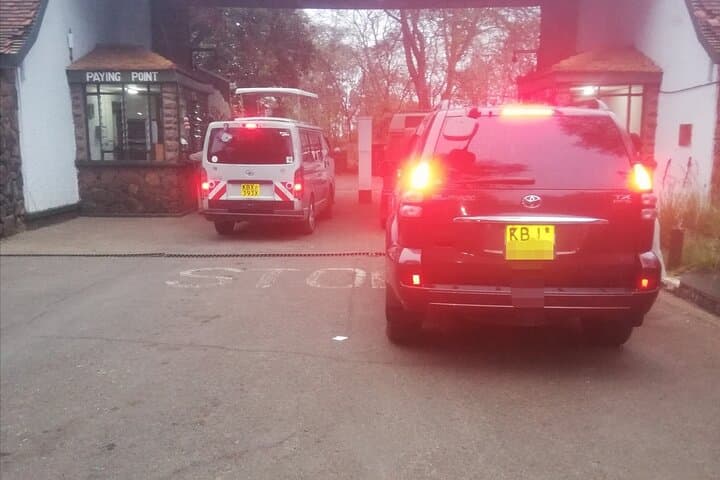
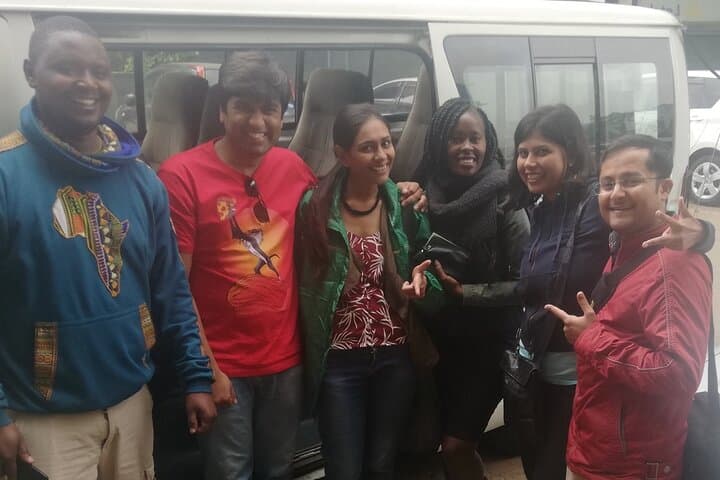
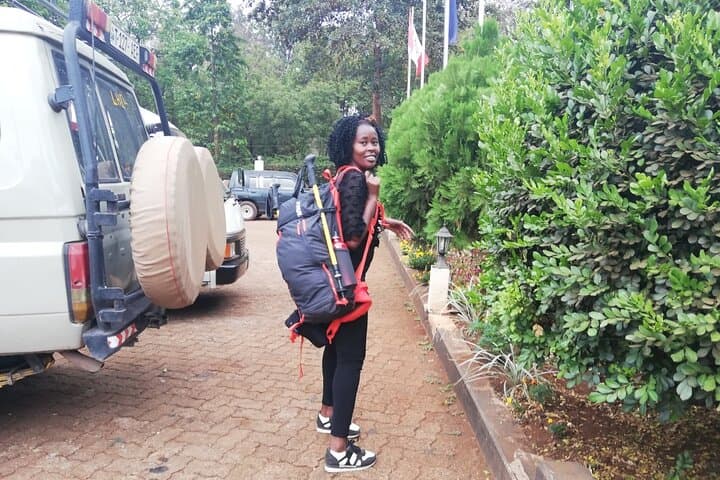
You step out of a private van into a patchwork of suburban Nairobi — frangipani scent, a line of acacia trees, and the long-necked silhouette of a giraffe moving like a slow question against the sky.
Verified experiences and guided adventures in the surrounding area.
Operated by zuru africa safaris · Nairobi, Nairobi County
You step out of a private van into a patchwork of suburban Nairobi — frangipani scent, a line of acacia trees, and the long-necked silhouette of a giraffe moving like a slow question against the sky.
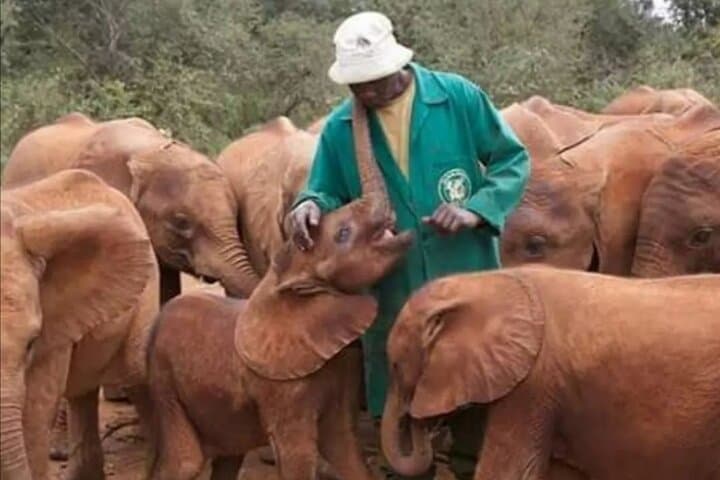
This full-day private tour stitches together three of Nairobi’s most visited conservation and cultural sites: the Giraffe Centre in Lang'ata, the David Sheldrick Elephant Orphanage, and the Karen Blixen Museum, capped with a compact city walk through historic Nairobi. The Giraffe Centre offers close encounters with endangered Rothschild giraffes; the Sheldrick orphanage showcases rescued elephant calves and feedings that speak to decades of local conservation work. The Karen Blixen farmhouse — where the author of Out of Africa lived — offers a window into colonial-era coffee farming and Kenyan-European cultural exchange.
Geologically the region sits on the eastern edge of the Rift Valley, where rolling highland soils support acacia and grassland that shape the pace of wildlife movements. Culturally, Nairobi blends Maasai and Kikuyu influences with a modern East African city rhythm — markets, matatus, and coffee stalls.
Practical guidance: plan for 5–8 hours, expect mostly short walks and paved paths but uneven ground at some sites. Bring sun protection, a light rain layer during long- or short-rain seasons, and small change for donations or local crafts. Photography is welcome but respect animal handlers and observation windows; follow guide instructions for feeding and proximity. Start early to avoid rush-hour traffic and maximize time with animals — mornings are best for elephant feedings and cooler light for photos.
easy.
5–8 hours.
Suitable for most fitness levels; expect short standing periods and light walking on uneven ground.
Yes — entrance fees for the David Sheldrick Elephant Orphanage, Giraffe Centre and Karen Blixen Museum are included in this tour.
Many areas on the tour are wheelchair accessible, but some paths at conservation sites can be uneven; contact the operator if you have specific mobility needs.
Tipping is not required but customary; small tips for handlers and the tour guide are appreciated for animal care and service.
Mornings are best — elephants are fed mid-morning and giraffes are active in cooler light; starting early reduces transit time and heat.
The Karen Blixen Museum preserves a 20th-century European settler farmhouse tied to the Out of Africa era; the David Sheldrick program dates to mid-20th-century wildlife rescue efforts in Kenya.
Both Sheldrick and the Giraffe Centre are active in rescue, rehabilitation and community education; visitors support conservation through fees and donations that fund animal care and anti-poaching outreach.
zuru africa safaris operates guided outdoor trips and adventures with an emphasis on safety, stewardship, and memorable experiences.
You step out of a private van into a patchwork of suburban Nairobi — frangipani scent, a line of acacia trees, and the long-necked silhouette of a giraffe moving like a slow question against the sky.
You step out of a private van into a patchwork of suburban Nairobi — frangipani scent, a line of acacia trees, and the long-necked silhouette of a giraffe moving like a slow question against the sky.
This full-day private tour stitches together three of Nairobi’s most visited conservation and cultural sites: the Giraffe Centre in Lang'ata, the David Sheldrick Elephant Orphanage, and the Karen Blixen Museum, capped with a compact city walk through historic Nairobi. The Giraffe Centre offers close encounters with endangered Rothschild giraffes; the Sheldrick orphanage showcases rescued elephant calves and feedings that speak to decades of local conservation work. The Karen Blixen farmhouse — where the author of Out of Africa lived — offers a window into colonial-era coffee farming and Kenyan-European cultural exchange.
Geologically the region sits on the eastern edge of the Rift Valley, where rolling highland soils support acacia and grassland that shape the pace of wildlife movements. Culturally, Nairobi blends Maasai and Kikuyu influences with a modern East African city rhythm — markets, matatus, and coffee stalls.
Practical guidance: plan for 5–8 hours, expect mostly short walks and paved paths but uneven ground at some sites. Bring sun protection, a light rain layer during long- or short-rain seasons, and small change for donations or local crafts. Photography is welcome but respect animal handlers and observation windows; follow guide instructions for feeding and proximity. Start early to avoid rush-hour traffic and maximize time with animals — mornings are best for elephant feedings and cooler light for photos.