THE ADVENTURE COLLECTIVE® · Independent discovery and booking for outdoor travel

Spend a day meeting Rothschild giraffes at the Giraffe Centre and watching orphaned elephants at David Sheldrick Wildlife Trust. Timed viewing windows and guided interpretation make this a focused conservation encounter near Nairobi National Park.
Spend a day meeting Rothschild giraffes at the Giraffe Centre and watching orphaned elephants at David Sheldrick Wildlife Trust. Timed viewing windows and guided interpretation make this a focused conservation encounter near Nairobi National Park.
You arrive on a dusty road at first light, city traffic fading behind you as acacia and grassland rise into view. The Giraffe Centre opens with a low murmur of visitors and the tall, curious faces of Rothschild giraffes leaning over wooden rails; their lashes blink like slow shutters as keepers guide hands to steady feed. Later, at exactly 11:00 the David Sheldrick Elephant Orphanage lets the youngest orphans shuffle out — trunks first, then ears, eager for the bottles of milk their keepers brandish.
Verified experiences and guided adventures in the surrounding area.
Operated by Gracepatt Ecotours Kenya · Nairobi, Nairobi County
You arrive on a dusty road at first light, city traffic fading behind you as acacia and grassland rise into view. The Giraffe Centre opens with a low murmur of visitors and the tall, curious faces of Rothschild giraffes leaning over wooden rails; their lashes blink like slow shutters as keepers guide hands to steady feed. Later, at exactly 11:00 the David Sheldrick Elephant Orphanage lets the youngest orphans shuffle out — trunks first, then ears, eager for the bottles of milk their keepers brandish.
This is Nairobi on two intimate scales: conservation education and hands-on rehabilitation. The Giraffe Centre began in 1979 to protect endangered Rothschild giraffes and has released hundreds back to habitat. The Sheldrick Trust, a long-running rescue centered at the edge of Nairobi National Park, focuses on orphaned elephants affected by poaching, wells or human–wildlife conflict. Geology here is defined by the Nairobi Plateau — volcanic soils feeding the acacia savannah that supports these species — and the culture is one of community conservation, with workshops and local artisans nearby.
Practically: expect a full-day outing of about six hours with hotel pickup. Viewing windows are timed (giraffe feeding, elephant viewing 11:00–12:00) so arrive on schedule. Wear sun protection and closed shoes for brief walks, bring water and small notes or approved donations if you wish to support rehabilitation programs. Photography is welcome but follow keeper instructions and keep distance from animals; the experience rewards patience with memorable up-close moments that emphasize care and recovery over spectacle.
easy.
6 hours.
Suitable for most fitness levels; involves short, flat walks and standing during viewing.
Public viewing at David Sheldrick is scheduled 11:00–12:00, and the youngest elephants are fed during the first part of that hour.
The tour includes entrance fees for both the Giraffe Centre and David Sheldrick as stated in the itinerary; confirm details at booking.
Yes—feeding Rothschild giraffes by hand is supervised by keepers at the Giraffe Centre; follow staff directions for safety.
Yes; the tour is family-friendly with stroller access and supervised interactions, but infants may need to sit on laps during transport.
The Giraffe Centre was established in 1979 to protect an endangered subspecies; Sheldrick Trust has rehabilitated and reintroduced elephants since the 1970s, becoming a model for urban-adjacent rescue work.
Both centers run education and rehabilitation programs that rely on donations and sustainable tourism; visitors are encouraged to follow guidelines and support official programs rather than unregulated interactions.
Gracepatt Ecotours Kenya operates guided outdoor trips and adventures with an emphasis on safety, stewardship, and memorable experiences.
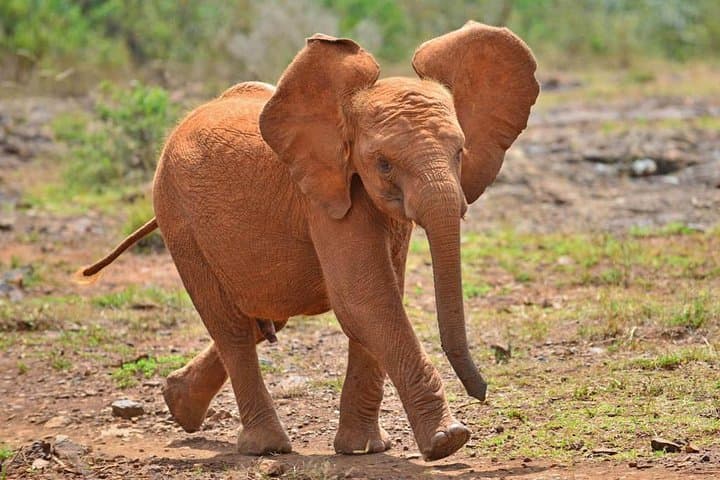
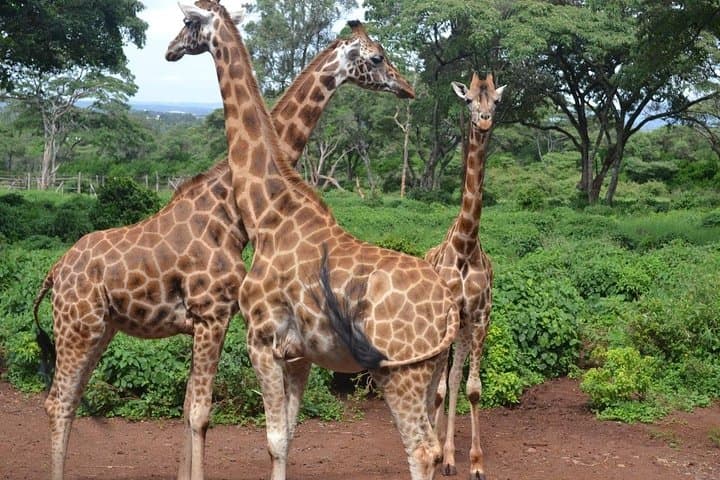
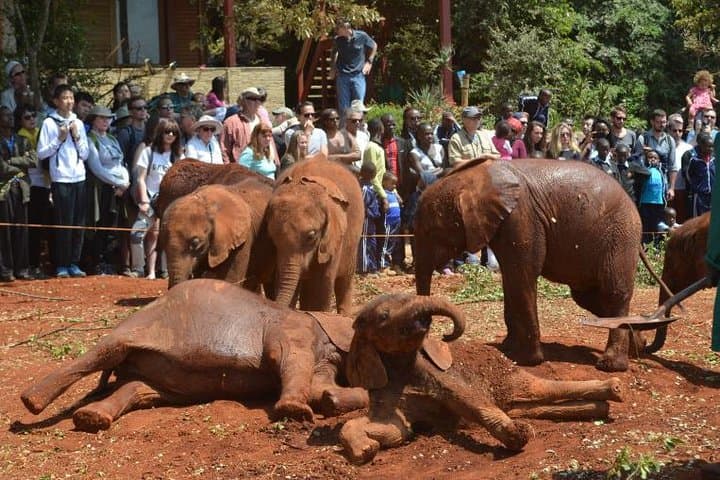
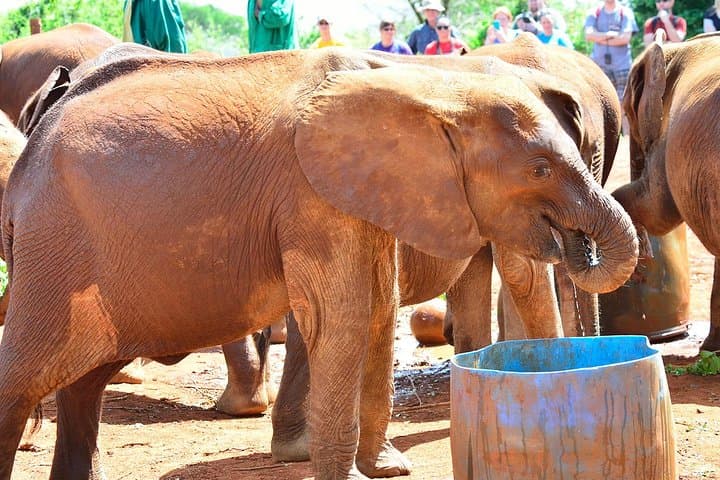
You arrive on a dusty road at first light, city traffic fading behind you as acacia and grassland rise into view. The Giraffe Centre opens with a low murmur of visitors and the tall, curious faces of Rothschild giraffes leaning over wooden rails; their lashes blink like slow shutters as keepers guide hands to steady feed. Later, at exactly 11:00 the David Sheldrick Elephant Orphanage lets the youngest orphans shuffle out — trunks first, then ears, eager for the bottles of milk their keepers brandish.
You arrive on a dusty road at first light, city traffic fading behind you as acacia and grassland rise into view. The Giraffe Centre opens with a low murmur of visitors and the tall, curious faces of Rothschild giraffes leaning over wooden rails; their lashes blink like slow shutters as keepers guide hands to steady feed. Later, at exactly 11:00 the David Sheldrick Elephant Orphanage lets the youngest orphans shuffle out — trunks first, then ears, eager for the bottles of milk their keepers brandish.
This is Nairobi on two intimate scales: conservation education and hands-on rehabilitation. The Giraffe Centre began in 1979 to protect endangered Rothschild giraffes and has released hundreds back to habitat. The Sheldrick Trust, a long-running rescue centered at the edge of Nairobi National Park, focuses on orphaned elephants affected by poaching, wells or human–wildlife conflict. Geology here is defined by the Nairobi Plateau — volcanic soils feeding the acacia savannah that supports these species — and the culture is one of community conservation, with workshops and local artisans nearby.
Practically: expect a full-day outing of about six hours with hotel pickup. Viewing windows are timed (giraffe feeding, elephant viewing 11:00–12:00) so arrive on schedule. Wear sun protection and closed shoes for brief walks, bring water and small notes or approved donations if you wish to support rehabilitation programs. Photography is welcome but follow keeper instructions and keep distance from animals; the experience rewards patience with memorable up-close moments that emphasize care and recovery over spectacle.