THE ADVENTURE COLLECTIVE® · Independent discovery and booking for outdoor travel

Spend a focused morning in Nairobi visiting the David Sheldrick Elephant Orphanage (open 11:00–12:00) and the Giraffe Centre in Lang'ata. This three-hour private tour pairs hands-on education with close wildlife viewing, ideal for visitors short on time.
Spend a focused morning in Nairobi visiting the David Sheldrick Elephant Orphanage (open 11:00–12:00) and the Giraffe Centre in Lang'ata. This three-hour private tour pairs hands-on education with close wildlife viewing, ideal for visitors short on time.
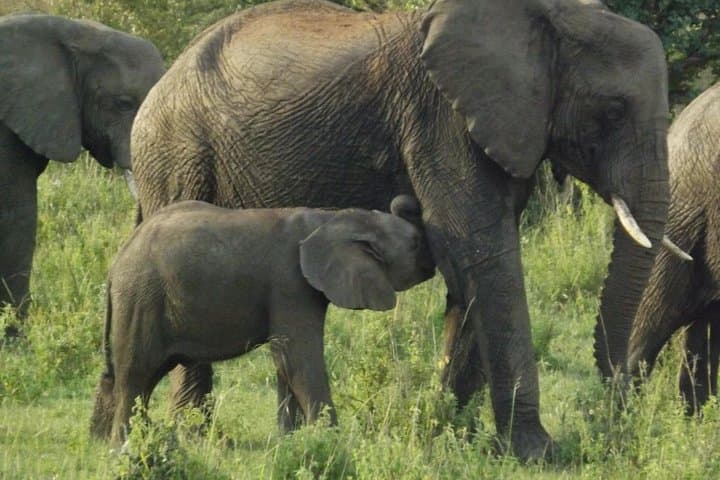
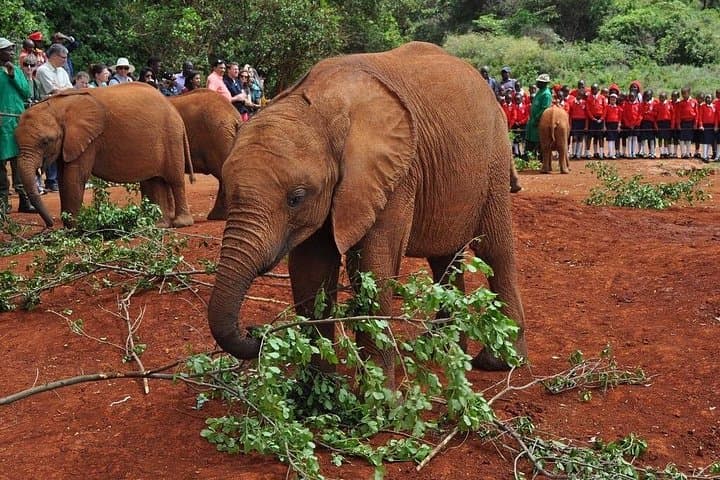
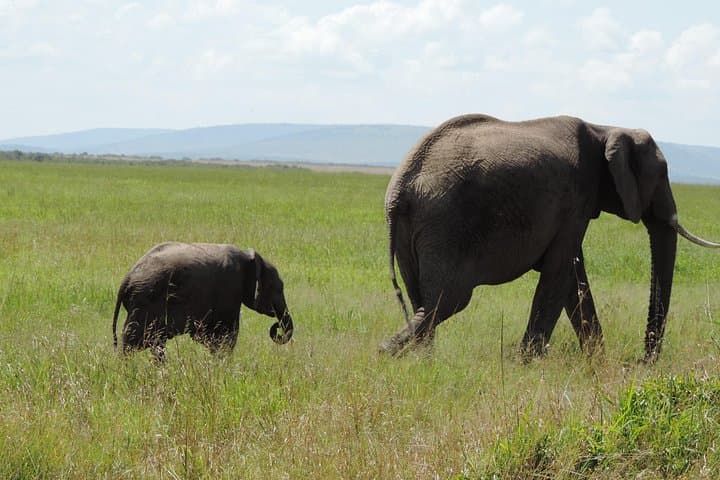
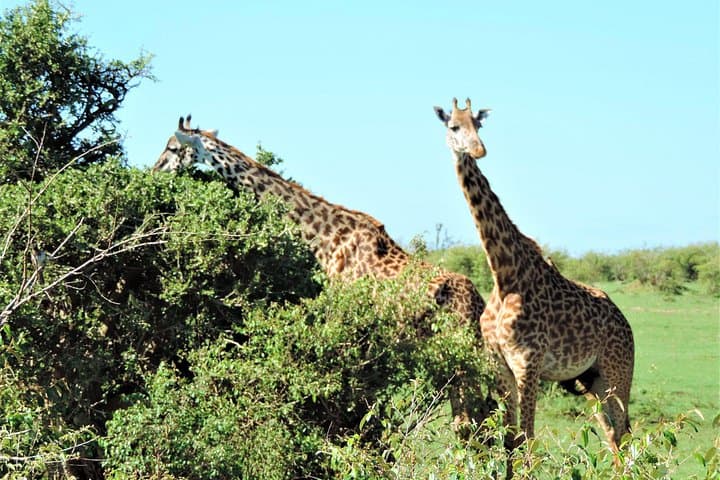
You step out of Nairobi’s warm morning haze and into a paddock where baby elephants trumpet softly and swallow the breeze with long, probing trunks. The David Sheldrick orphanage opens its gates for a single hour—11:00–12:00—when keepers introduce rescued calves and tell the story of their rescue and rehabilitation. Later, at the nearby Giraffe Centre in Lang'ata, Rothschild giraffes reach over a viewing platform to take pellets from cupped hands, their eyelashes and slow deliberation oddly personal.
Verified experiences and guided adventures in the surrounding area.
Operated by African Home Adventure Safaris · Nairobi, Nairobi County
You step out of Nairobi’s warm morning haze and into a paddock where baby elephants trumpet softly and swallow the breeze with long, probing trunks. The David Sheldrick orphanage opens its gates for a single hour—11:00–12:00—when keepers introduce rescued calves and tell the story of their rescue and rehabilitation. Later, at the nearby Giraffe Centre in Lang'ata, Rothschild giraffes reach over a viewing platform to take pellets from cupped hands, their eyelashes and slow deliberation oddly personal.
The orphanage grew from grassroots conservation work begun in the 1970s and today focuses on rehabilitation and release; the Giraffe Centre started as a community-led effort to protect a locally imperiled subspecies. Geologically, you’re on the southern edge of Nairobi’s sedimentary plains that slope toward the rift valley; culturally, the area is a meeting point for urban Kenyans and international conservationists.
Practically, this is a compact, three-hour loop best taken in the morning to hit the orphanage’s viewing hour. Expect paved walkways, short boardwalks, and accessible facilities; the tour is suitable for most travelers and runs in a safari van or car. Bring water, sun protection, and a camera (no flash at the orphanage). Donations, quiet attention during feedings, and respect for keeper instructions make the visit meaningful and low-impact. Whether you’ve seen Kenya’s big parks or are short on time, this pairing is an efficient, educational window into wildlife care and species recovery just a few kilometers from central Nairobi.
easy.
3 hours.
Suitable for all fitness levels; mostly standing and short walks on level surfaces.
Yes; public viewing is offered daily but the scheduled public hour is strictly 11:00–12:00—arrive on time to enter the viewing area.
No direct contact with elephants is not permitted; giraffe feeds are supervised and allow controlled hand‑feeding of pellets under staff guidance.
Yes; facilities and transportation options are wheelchair accessible, though some viewing areas have steps—notify the operator ahead for specific needs.
Donations are voluntary but encouraged to support rescue and rehabilitation programs; tipping guides and drivers is customary for good service.
The David Sheldrick program began as a family conservation project in the 1970s and evolved into a formal trust focused on rescuing and reintegrating orphaned elephants; the Giraffe Centre is a community conservation initiative that protected Rothschild giraffes from local habitat loss.
Visits fund rehabilitation, community education, and anti‑poaching efforts; follow site rules, avoid single‑use plastics, and consider small donations to support releases.
African Home Adventure Safaris operates guided outdoor trips and adventures with an emphasis on safety, stewardship, and memorable experiences.
You step out of Nairobi’s warm morning haze and into a paddock where baby elephants trumpet softly and swallow the breeze with long, probing trunks. The David Sheldrick orphanage opens its gates for a single hour—11:00–12:00—when keepers introduce rescued calves and tell the story of their rescue and rehabilitation. Later, at the nearby Giraffe Centre in Lang'ata, Rothschild giraffes reach over a viewing platform to take pellets from cupped hands, their eyelashes and slow deliberation oddly personal.
You step out of Nairobi’s warm morning haze and into a paddock where baby elephants trumpet softly and swallow the breeze with long, probing trunks. The David Sheldrick orphanage opens its gates for a single hour—11:00–12:00—when keepers introduce rescued calves and tell the story of their rescue and rehabilitation. Later, at the nearby Giraffe Centre in Lang'ata, Rothschild giraffes reach over a viewing platform to take pellets from cupped hands, their eyelashes and slow deliberation oddly personal.
The orphanage grew from grassroots conservation work begun in the 1970s and today focuses on rehabilitation and release; the Giraffe Centre started as a community-led effort to protect a locally imperiled subspecies. Geologically, you’re on the southern edge of Nairobi’s sedimentary plains that slope toward the rift valley; culturally, the area is a meeting point for urban Kenyans and international conservationists.
Practically, this is a compact, three-hour loop best taken in the morning to hit the orphanage’s viewing hour. Expect paved walkways, short boardwalks, and accessible facilities; the tour is suitable for most travelers and runs in a safari van or car. Bring water, sun protection, and a camera (no flash at the orphanage). Donations, quiet attention during feedings, and respect for keeper instructions make the visit meaningful and low-impact. Whether you’ve seen Kenya’s big parks or are short on time, this pairing is an efficient, educational window into wildlife care and species recovery just a few kilometers from central Nairobi.