THE ADVENTURE COLLECTIVE® · Independent discovery and booking for outdoor travel

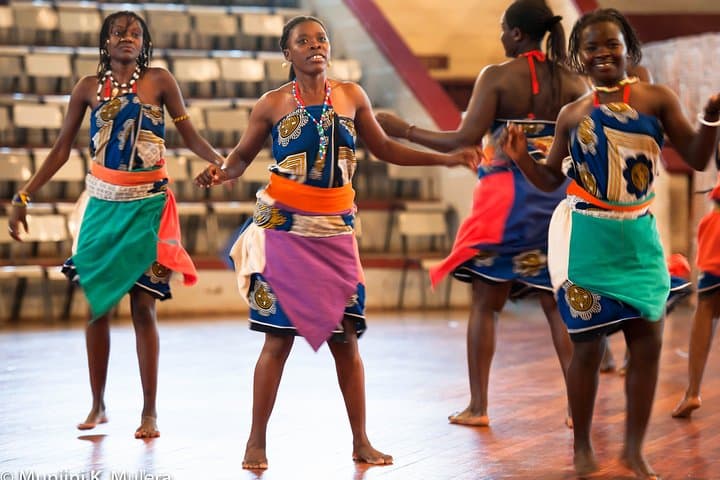
Spend a day with a local guide walking through Kibera’s daily life, then shift gears to the theatrical energy of Bomas of Kenya’s cultural dances. This full-day tour pairs intimate urban encounters with an afternoon of music, costume and performance.
Spend a day with a local guide walking through Kibera’s daily life, then shift gears to the theatrical energy of Bomas of Kenya’s cultural dances. This full-day tour pairs intimate urban encounters with an afternoon of music, costume and performance.
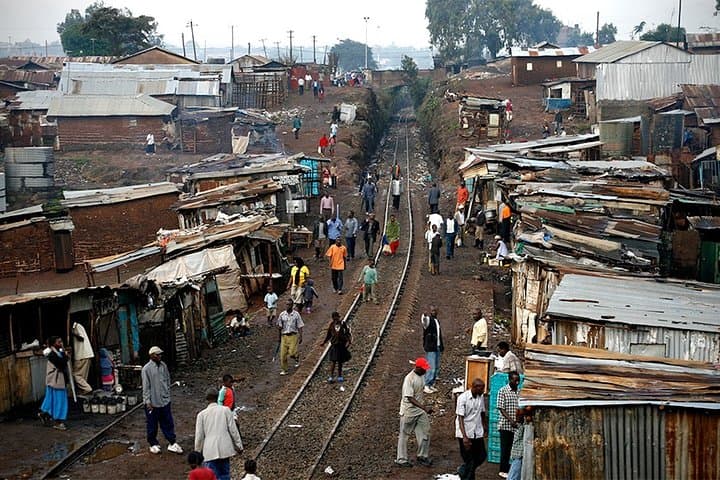
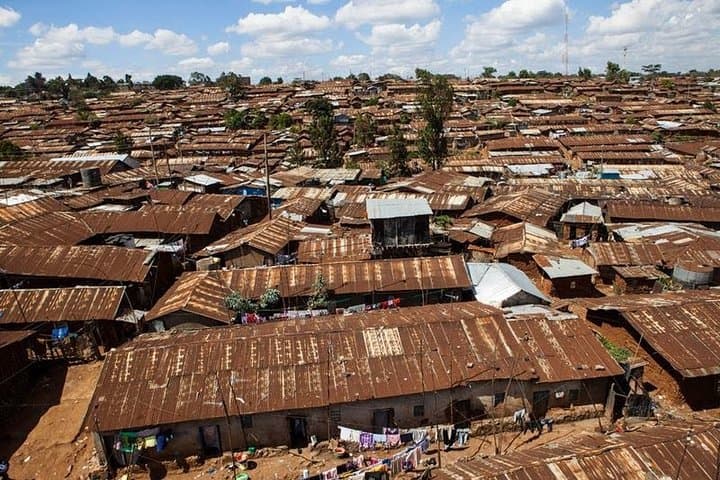
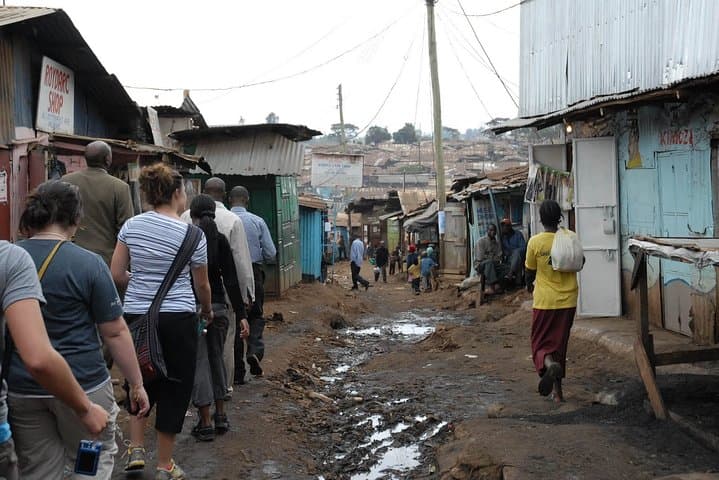
You step out onto a packed dirt lane and the city hum tightens around you: chatter, a bicycle bell, a child selling roasted maize. In Kibera, roofs slope in close and everyday life happens at ground level—women at water points, schoolchildren in bright uniforms, artisans shaping ornaments from bone and wire. The guide who grew up here points out the Soweto Village homesteads and leads you into a household where questions are welcome and the pace is human-sized.
Verified experiences and guided adventures in the surrounding area.
Operated by Sabilom Kenya Tours & Safaris · Nairobi, Nairobi County
You step out onto a packed dirt lane and the city hum tightens around you: chatter, a bicycle bell, a child selling roasted maize. In Kibera, roofs slope in close and everyday life happens at ground level—women at water points, schoolchildren in bright uniforms, artisans shaping ornaments from bone and wire. The guide who grew up here points out the Soweto Village homesteads and leads you into a household where questions are welcome and the pace is human-sized.
Kibera’s growth followed rural-to-urban migration in the 20th century; its informal economy and dense housing reflect both hardship and intense community innovation. Later the tour crosses Nairobi’s Langata corridor to Bomas of Kenya, a government-established cultural centre showcasing the nation’s ethnic dance, music and oral traditions since the 1970s. Geologically the city sits on high plateaus with red volcanic soils; from some viewing points you can see the gentle rise toward the Ngong Hills.
Expect a day that alternates close, street-level observation with staged cultural performance—three hours of guided walking in mixed-surface alleys and compounds, then an afternoon of music, costume and choreography in an outdoor amphitheatre. Practicalities: bring small change for crafts and lunch, wear sturdy shoes for uneven ground, carry water and a lightweight cover for sun or quick showers. Ask before photographing people and follow the guide’s direction; this tour is about listening and respectful presence as much as sightseeing.
This itinerary works well for travelers who want immersive urban context paired with an accessible cultural showcase—an 8-hour window into two very different sides of Nairobi.
easy.
8 hours.
Suitable for most fitness levels; involves several hours of walking at a relaxed pace with short stops.
Yes—visiting with an experienced local guide reduces risk and ensures respectful interactions; follow their instructions and avoid displaying valuables.
No—lunch is at your own expense, typically at a local restaurant near Bomas; budget for KES 500–1200 depending on choice.
Only with permission—ask hosts and the guide before photographing people or private spaces; some community projects may request small fees for commercial use.
Yes—tour notes indicate the route is suitable for all fitness levels, but infants must sit on laps during transfers and parents should consider the emotional sensitivity of some visits.
Kibera expanded rapidly during the 20th century as migrants moved to Nairobi; Bomas of Kenya was established in the 1970s to preserve and present the country’s ethnic performing arts.
Support local businesses and community projects, avoid single-use plastic, and always ask before donating or photographing; responsible tourism helps income while minimizing disruption.
Sabilom Kenya Tours & Safaris operates guided outdoor trips and adventures with an emphasis on safety, stewardship, and memorable experiences.
You step out onto a packed dirt lane and the city hum tightens around you: chatter, a bicycle bell, a child selling roasted maize. In Kibera, roofs slope in close and everyday life happens at ground level—women at water points, schoolchildren in bright uniforms, artisans shaping ornaments from bone and wire. The guide who grew up here points out the Soweto Village homesteads and leads you into a household where questions are welcome and the pace is human-sized.
You step out onto a packed dirt lane and the city hum tightens around you: chatter, a bicycle bell, a child selling roasted maize. In Kibera, roofs slope in close and everyday life happens at ground level—women at water points, schoolchildren in bright uniforms, artisans shaping ornaments from bone and wire. The guide who grew up here points out the Soweto Village homesteads and leads you into a household where questions are welcome and the pace is human-sized.
Kibera’s growth followed rural-to-urban migration in the 20th century; its informal economy and dense housing reflect both hardship and intense community innovation. Later the tour crosses Nairobi’s Langata corridor to Bomas of Kenya, a government-established cultural centre showcasing the nation’s ethnic dance, music and oral traditions since the 1970s. Geologically the city sits on high plateaus with red volcanic soils; from some viewing points you can see the gentle rise toward the Ngong Hills.
Expect a day that alternates close, street-level observation with staged cultural performance—three hours of guided walking in mixed-surface alleys and compounds, then an afternoon of music, costume and choreography in an outdoor amphitheatre. Practicalities: bring small change for crafts and lunch, wear sturdy shoes for uneven ground, carry water and a lightweight cover for sun or quick showers. Ask before photographing people and follow the guide’s direction; this tour is about listening and respectful presence as much as sightseeing.
This itinerary works well for travelers who want immersive urban context paired with an accessible cultural showcase—an 8-hour window into two very different sides of Nairobi.