THE ADVENTURE COLLECTIVE® · Independent discovery and booking for outdoor travel

Combine close giraffe encounters, a visit to the Karen Blixen Museum and a community beads workshop in a single half-day tour from Nairobi. Ideal for travelers who want wildlife, history and local craft with minimal walking.
Combine close giraffe encounters, a visit to the Karen Blixen Museum and a community beads workshop in a single half-day tour from Nairobi. Ideal for travelers who want wildlife, history and local craft with minimal walking.
The morning starts on a quiet road out of central Nairobi, the city’s heat giving way to greening suburban plots and the low silhouette of the Ngong Hills. Visitors step onto a raised platform at the Giraffe Centre and find themselves eye-to-eye with gentle Rothschild giraffes—long tongues and patient necks moving with deliberate curiosity as educators explain breeding and reintroduction work.
Verified experiences and guided adventures in the surrounding area.
Operated by Gracepatt Safaris · Nairobi, Nairobi County
The morning starts on a quiet road out of central Nairobi, the city’s heat giving way to greening suburban plots and the low silhouette of the Ngong Hills. Visitors step onto a raised platform at the Giraffe Centre and find themselves eye-to-eye with gentle Rothschild giraffes—long tongues and patient necks moving with deliberate curiosity as educators explain breeding and reintroduction work.
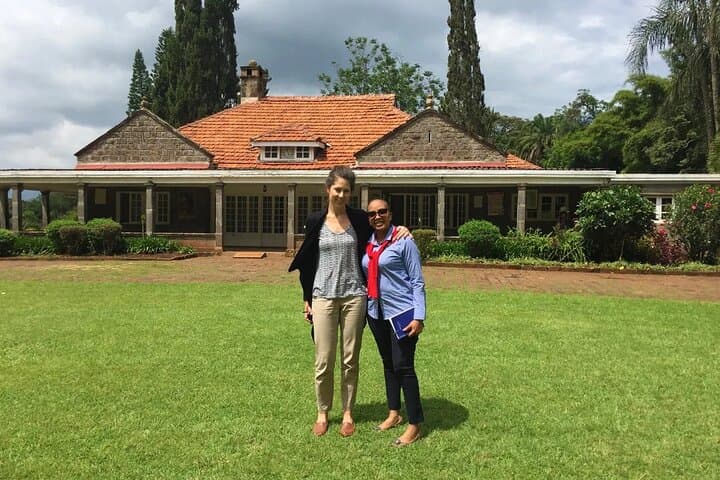
This short loop through Karen mixes wildlife, colonial history and local craft. The Karen Blixen Museum sits in a colonial farmhouse where the author’s life and the landscape of 20th-century Kenya are on display; the surrounding ridgelines of the Ngong Hills frame the house and hint at the geology of Nairobi’s high plains. Between those stops, a community-run beads and ceramic workshop demonstrates a daily economy: clay, kiln and careful hand-stringing that supports single mothers and local artisans.
Culturally this tour threads conservation education, Kenya’s settler-era literature and contemporary social enterprise. Geologically, the area sits on the eastern edge of the Rift plateau—gentle slopes and seasonal streams shaping the suburban mosaic.
Practically: expect a 5–6 hour outing with hotel pickup, short walks and time for shopping at the workshop. Wear closed shoes for the yard at the beads factory, bring sun protection and cash for small purchases, and schedule the visit in the morning to avoid Nairobi traffic on return. Guides provide bottled water and context—this is an accessible, low-impact way to combine wildlife viewing, local craft and history in one day.
easy.
5–6 hours.
Suitable for most fitness levels; involves short, level walks and standing on platforms
Approximately 5–6 hours with hotel pickup and return to central Nairobi.
Giraffe Centre and Karen Blixen Museum admissions are typically included in organized tours; confirm at booking.
The workshop demonstration may be closed Saturday afternoon and all day Sunday, though the gift shop often remains open seven days.
Yes—activity is low-impact; infants should sit on laps during transport as per booking notes.
Karen Blixen Museum preserves the former house of the Danish author whose memoirs popularized early 20th-century colonial Kenya; the Giraffe Centre grew from local conservation efforts to protect a rare giraffe population.
The Giraffe Centre runs education and breeding programs focused on Rothschild giraffes, while the beads workshop provides livelihoods that reduce pressure on wild areas.
Gracepatt Safaris operates guided outdoor trips and adventures with an emphasis on safety, stewardship, and memorable experiences.

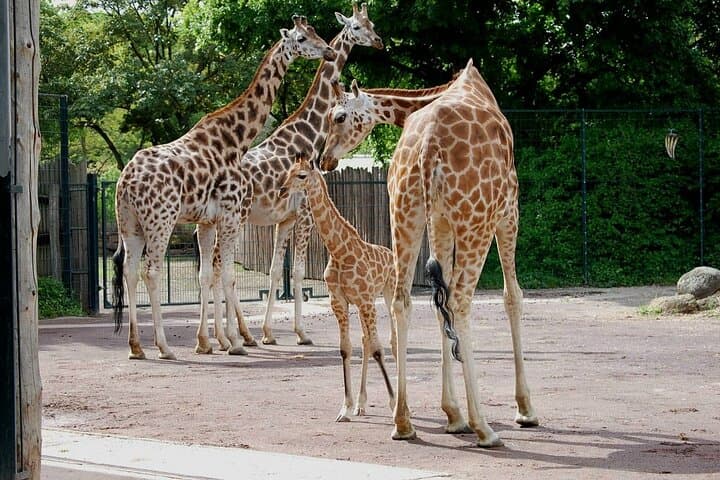

The morning starts on a quiet road out of central Nairobi, the city’s heat giving way to greening suburban plots and the low silhouette of the Ngong Hills. Visitors step onto a raised platform at the Giraffe Centre and find themselves eye-to-eye with gentle Rothschild giraffes—long tongues and patient necks moving with deliberate curiosity as educators explain breeding and reintroduction work.
The morning starts on a quiet road out of central Nairobi, the city’s heat giving way to greening suburban plots and the low silhouette of the Ngong Hills. Visitors step onto a raised platform at the Giraffe Centre and find themselves eye-to-eye with gentle Rothschild giraffes—long tongues and patient necks moving with deliberate curiosity as educators explain breeding and reintroduction work.
This short loop through Karen mixes wildlife, colonial history and local craft. The Karen Blixen Museum sits in a colonial farmhouse where the author’s life and the landscape of 20th-century Kenya are on display; the surrounding ridgelines of the Ngong Hills frame the house and hint at the geology of Nairobi’s high plains. Between those stops, a community-run beads and ceramic workshop demonstrates a daily economy: clay, kiln and careful hand-stringing that supports single mothers and local artisans.
Culturally this tour threads conservation education, Kenya’s settler-era literature and contemporary social enterprise. Geologically, the area sits on the eastern edge of the Rift plateau—gentle slopes and seasonal streams shaping the suburban mosaic.
Practically: expect a 5–6 hour outing with hotel pickup, short walks and time for shopping at the workshop. Wear closed shoes for the yard at the beads factory, bring sun protection and cash for small purchases, and schedule the visit in the morning to avoid Nairobi traffic on return. Guides provide bottled water and context—this is an accessible, low-impact way to combine wildlife viewing, local craft and history in one day.