THE ADVENTURE COLLECTIVE® · Independent discovery and booking for outdoor travel

Spend a day outside Nairobi meeting Rothschild giraffes, watching rescued elephant calves at the Sheldrick orphanage, touring a local beads workshop, and capping it with live tribal dances at Bomas of Kenya. This easy, well-paced day tour blends wildlife conservation with hands-on craft and performance.
Spend a day outside Nairobi meeting Rothschild giraffes, watching rescued elephant calves at the Sheldrick orphanage, touring a local beads workshop, and capping it with live tribal dances at Bomas of Kenya. This easy, well-paced day tour blends wildlife conservation with hands-on craft and performance.
You step out of a Nairobi morning into a short drive of red dust and jacaranda shade, and the city’s bustle gives way to animals that move with deliberate curiosity. At the Giraffe Centre a raised platform brings you eye-to-eye with Rothschild giraffes; they lean forward as if reading your palm, gentle and oddly inquisitive. Later the orphanage hushes the crowd for the daily elephant viewing—small trunks trumpet impatience for a bottle and human voices hush to listen to caretakers’ stories.
Verified experiences and guided adventures in the surrounding area.
Operated by Gracepatt Safaris · Nairobi, Nairobi County
You step out of a Nairobi morning into a short drive of red dust and jacaranda shade, and the city’s bustle gives way to animals that move with deliberate curiosity. At the Giraffe Centre a raised platform brings you eye-to-eye with Rothschild giraffes; they lean forward as if reading your palm, gentle and oddly inquisitive. Later the orphanage hushes the crowd for the daily elephant viewing—small trunks trumpet impatience for a bottle and human voices hush to listen to caretakers’ stories.
These stops sit on the southern edge of Nairobi’s savanna—ground once part of broader plains now cut by urban sprawl. The Giraffe Centre began as a local conservation project for an endangered subspecies; the David Sheldrick Wildlife Trust grew from Daphne Sheldrick’s pioneering calf-rearing work and is now a global model for orphan rescue. Bead and pottery workshops in this circuit carry a different history: small local studios that grew from colonial-era craft demand into export-focused social enterprises.
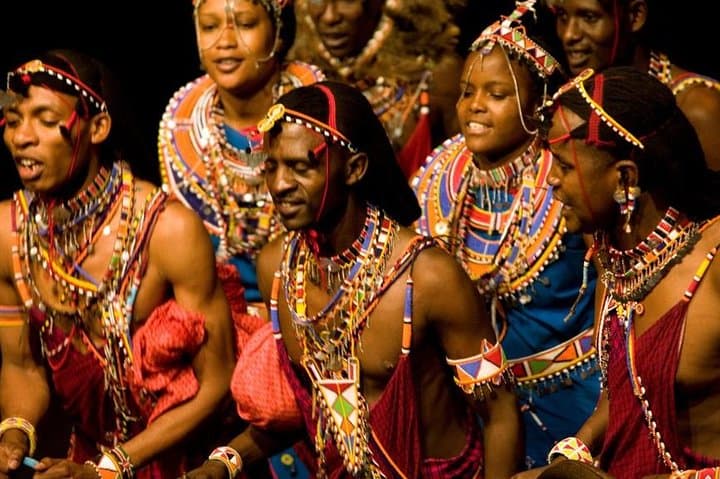
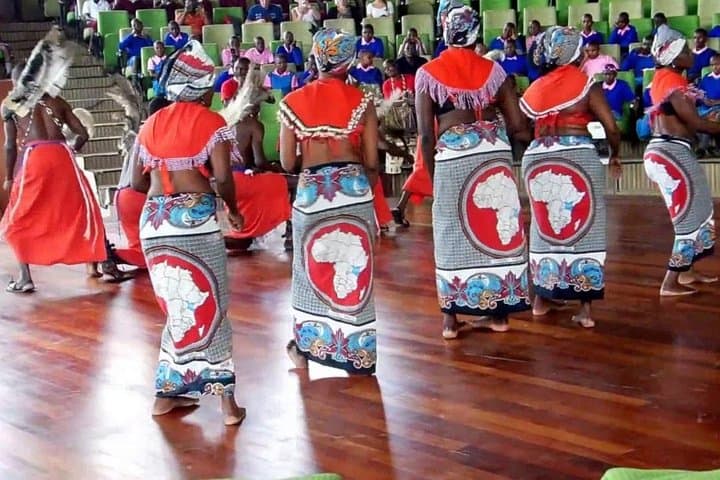
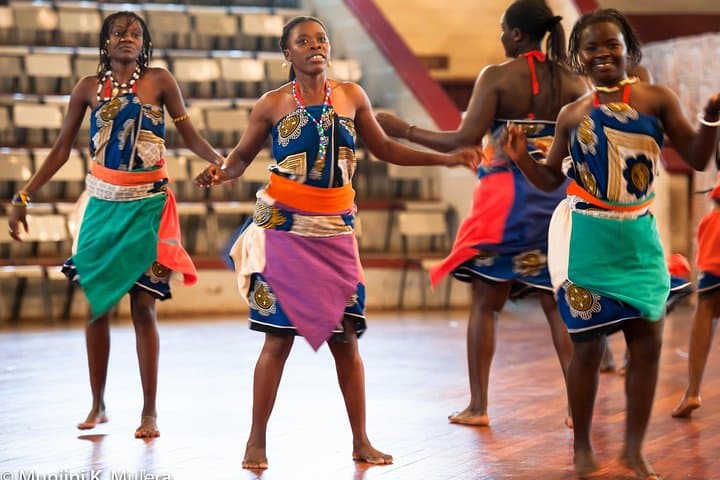
By mid-afternoon the rhythm shifts to drumbeats at Bomas of Kenya, where staged tribal dances make culture kinetic and immediate. Between sites expect short drives, light walking, and plenty of photo stops.
Practical guide: this is an easy, full-day outing (about eight hours) with hotel pickup and drop-off, lunch on your own, and an 11:00–12:00 window critical for the elephant orphanage. Dress smart-casual, bring sun protection, reusable water, and small change for crafts. Respect staff directions at animal encounters—feed only under supervision and keep noise low. The day is ideal for beginners and families who want close wildlife encounters without a safari’s distance or endurance demands.
easy.
8 hours.
Suitable for most fitness levels; involves short, flat walks and standing during talks
Pickup is typically around 8:00 AM with a total duration of about eight hours, returning to Nairobi in the late afternoon.
No; the David Sheldrick orphanage viewing is limited to that daily window, so you must arrive during that hour to see the calves.
Entry fees for the listed attractions are included; lunch is at your own expense and there are several cafeteria or restaurant options at Bomas of Kenya.
Yes—suitable for all ages; infants must sit on an adult’s lap and children should be supervised at animal interaction areas.
The Giraffe Centre and Sheldrick Trust grew from local conservation efforts to protect species affected by habitat loss and poaching, with community-based education central to both programs.
Both centers operate with strict visitor rules to minimize stress on animals; support through entrance fees and donations directly funds rehabilitation and release programs.
Gracepatt Safaris operates guided outdoor trips and adventures with an emphasis on safety, stewardship, and memorable experiences.
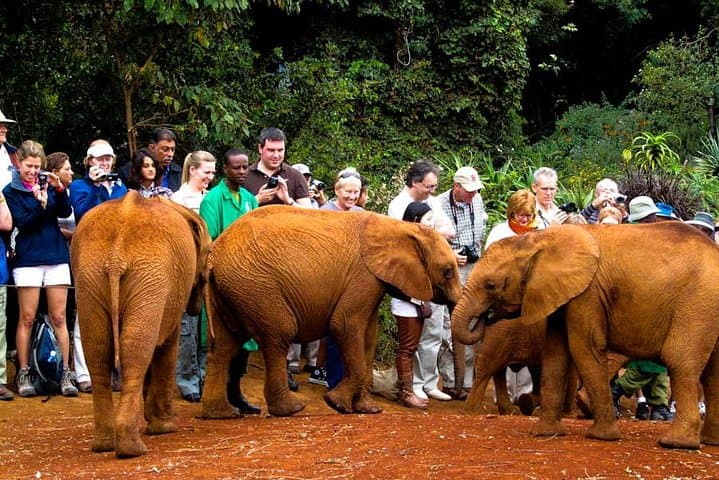
You step out of a Nairobi morning into a short drive of red dust and jacaranda shade, and the city’s bustle gives way to animals that move with deliberate curiosity. At the Giraffe Centre a raised platform brings you eye-to-eye with Rothschild giraffes; they lean forward as if reading your palm, gentle and oddly inquisitive. Later the orphanage hushes the crowd for the daily elephant viewing—small trunks trumpet impatience for a bottle and human voices hush to listen to caretakers’ stories.
You step out of a Nairobi morning into a short drive of red dust and jacaranda shade, and the city’s bustle gives way to animals that move with deliberate curiosity. At the Giraffe Centre a raised platform brings you eye-to-eye with Rothschild giraffes; they lean forward as if reading your palm, gentle and oddly inquisitive. Later the orphanage hushes the crowd for the daily elephant viewing—small trunks trumpet impatience for a bottle and human voices hush to listen to caretakers’ stories.
These stops sit on the southern edge of Nairobi’s savanna—ground once part of broader plains now cut by urban sprawl. The Giraffe Centre began as a local conservation project for an endangered subspecies; the David Sheldrick Wildlife Trust grew from Daphne Sheldrick’s pioneering calf-rearing work and is now a global model for orphan rescue. Bead and pottery workshops in this circuit carry a different history: small local studios that grew from colonial-era craft demand into export-focused social enterprises.
By mid-afternoon the rhythm shifts to drumbeats at Bomas of Kenya, where staged tribal dances make culture kinetic and immediate. Between sites expect short drives, light walking, and plenty of photo stops.
Practical guide: this is an easy, full-day outing (about eight hours) with hotel pickup and drop-off, lunch on your own, and an 11:00–12:00 window critical for the elephant orphanage. Dress smart-casual, bring sun protection, reusable water, and small change for crafts. Respect staff directions at animal encounters—feed only under supervision and keep noise low. The day is ideal for beginners and families who want close wildlife encounters without a safari’s distance or endurance demands.