THE ADVENTURE COLLECTIVE® · Independent discovery and booking for outdoor travel

Spend a half-day outside Nairobi meeting Rothschild giraffes and orphaned elephants with guided hotel pickup. Learn rescue and rehabilitation practices while enjoying close, supervised wildlife viewing.
Spend a half-day outside Nairobi meeting Rothschild giraffes and orphaned elephants with guided hotel pickup. Learn rescue and rehabilitation practices while enjoying close, supervised wildlife viewing.
Morning light slants through acacia and eucalyptus as the minivan eases out of Nairobi’s grid and toward Lang’ata. The city falls away into scrub and reclaimed grazing land; within half an hour the giraffes are visible—necked figures bending down to accept a hand-fed treat—while the distant chatter of keepers and children filters across the compound.
Verified experiences and guided adventures in the surrounding area.
Operated by Sabilom Kenya Tours & Safaris · Nairobi, Nairobi County
Morning light slants through acacia and eucalyptus as the minivan eases out of Nairobi’s grid and toward Lang’ata. The city falls away into scrub and reclaimed grazing land; within half an hour the giraffes are visible—necked figures bending down to accept a hand-fed treat—while the distant chatter of keepers and children filters across the compound.
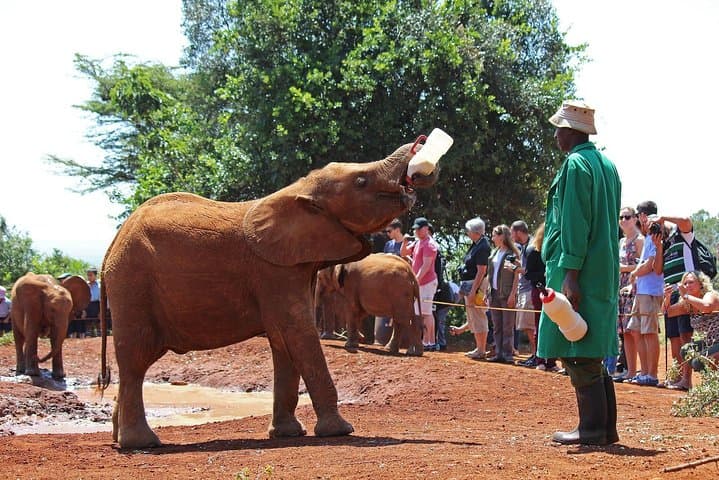
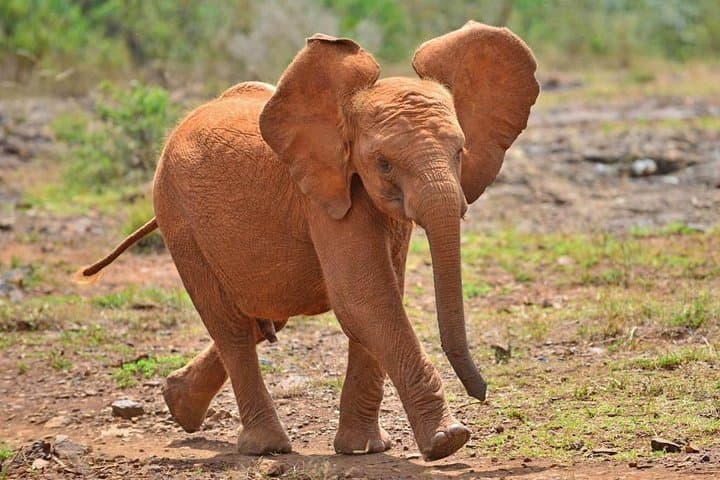
The Giraffe Centre and David Sheldrick Wildlife Trust sit on the city’s southern fringe, where conservation practice meets urban life. The Giraffe Centre focuses on protecting the endangered Rothschild giraffe and teaching visitors safe, supervised feeding techniques. A short drive away, the Sheldrick Trust has become synonymous with orphan rescue and rehabilitation; its morning viewing hour is mainly social—watching young elephants feed, splash, and tussle under trained supervision.
Geologically the area is on Nairobi’s upland plain, volcanic soils giving way to grasses that sustain the small reserves. Culturally, these stops are as much educational programs as tourist attractions—guides explain human-wildlife conflict, community-based conservation, and the process of reintroducing animals to the wild.
Practical guidance: expect a 5–6 hour outing with hotel pickup, comfortable walking on compacted paths, and strict rules around touching or feeding animals (follow staff instructions). Bring sun protection, water, and a camera with a zoom lens; morning visits are cooler and livelier. The experience is family-friendly and suitable for most fitness levels, but keep noise low around animals and avoid bringing snacks for wildlife. Plan extra time if you want to continue to nearby Nairobi attractions after drop-off.
easy.
5–6 hours.
Suitable for most fitness levels—short walks on compact paths and minimal elevation change.
Yes; this tour includes hotel pickup and drop-off within Nairobi—confirm your pickup point when booking.
Giraffe feeding is offered under staff supervision; touching elephants is restricted to what keepers allow during specific programs to protect both animals and visitors.
Yes; entrance fees for both the Giraffe Centre and David Sheldrick Wildlife Trust are included in the tour price as stated in the itinerary.
Yes; it’s family-friendly. Infants must sit on an adult’s lap during transport and children should be supervised at all times around animals.
The two sites grew from Nairobi’s conservation movement: the Giraffe Centre was created to protect declining Rothschild giraffe populations, while the David Sheldrick Wildlife Trust specializes in rescuing and rehabilitating orphaned elephants for eventual release.
Both centers operate education and rehabilitation programs; visitors support anti-poaching and community outreach efforts—respect site rules to minimize stress on animals.
Sabilom Kenya Tours & Safaris operates guided outdoor trips and adventures with an emphasis on safety, stewardship, and memorable experiences.


Morning light slants through acacia and eucalyptus as the minivan eases out of Nairobi’s grid and toward Lang’ata. The city falls away into scrub and reclaimed grazing land; within half an hour the giraffes are visible—necked figures bending down to accept a hand-fed treat—while the distant chatter of keepers and children filters across the compound.
Morning light slants through acacia and eucalyptus as the minivan eases out of Nairobi’s grid and toward Lang’ata. The city falls away into scrub and reclaimed grazing land; within half an hour the giraffes are visible—necked figures bending down to accept a hand-fed treat—while the distant chatter of keepers and children filters across the compound.
The Giraffe Centre and David Sheldrick Wildlife Trust sit on the city’s southern fringe, where conservation practice meets urban life. The Giraffe Centre focuses on protecting the endangered Rothschild giraffe and teaching visitors safe, supervised feeding techniques. A short drive away, the Sheldrick Trust has become synonymous with orphan rescue and rehabilitation; its morning viewing hour is mainly social—watching young elephants feed, splash, and tussle under trained supervision.
Geologically the area is on Nairobi’s upland plain, volcanic soils giving way to grasses that sustain the small reserves. Culturally, these stops are as much educational programs as tourist attractions—guides explain human-wildlife conflict, community-based conservation, and the process of reintroducing animals to the wild.
Practical guidance: expect a 5–6 hour outing with hotel pickup, comfortable walking on compacted paths, and strict rules around touching or feeding animals (follow staff instructions). Bring sun protection, water, and a camera with a zoom lens; morning visits are cooler and livelier. The experience is family-friendly and suitable for most fitness levels, but keep noise low around animals and avoid bringing snacks for wildlife. Plan extra time if you want to continue to nearby Nairobi attractions after drop-off.