THE ADVENTURE COLLECTIVE® · Independent discovery and booking for outdoor travel

Spend a half-day combining wildlife conservation at the Giraffe Centre and David Sheldrick with a guided community visit to Kibera. Expect up-close animal viewing, local-led cultural stops, and practical advice for respectful touring.
Spend a half-day combining wildlife conservation at the Giraffe Centre and David Sheldrick with a guided community visit to Kibera. Expect up-close animal viewing, local-led cultural stops, and practical advice for respectful touring.
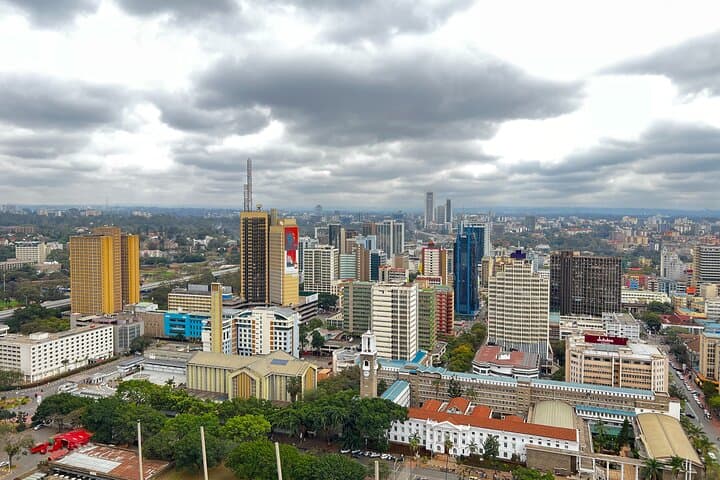
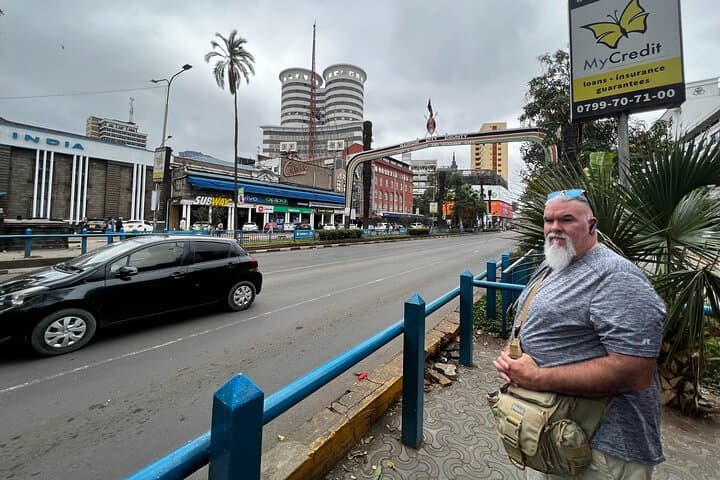
You step out of the vehicle into Nairobi’s mix of traffic hum and green pockets—acacia-lined avenues give way to a quieter lang'ata road where giraffes lean over feeding platforms and orphaned elephants babble at their keepers.
Verified experiences and guided adventures in the surrounding area.
Operated by Safari Port · Nairobi, Nairobi County
You step out of the vehicle into Nairobi’s mix of traffic hum and green pockets—acacia-lined avenues give way to a quieter lang'ata road where giraffes lean over feeding platforms and orphaned elephants babble at their keepers.
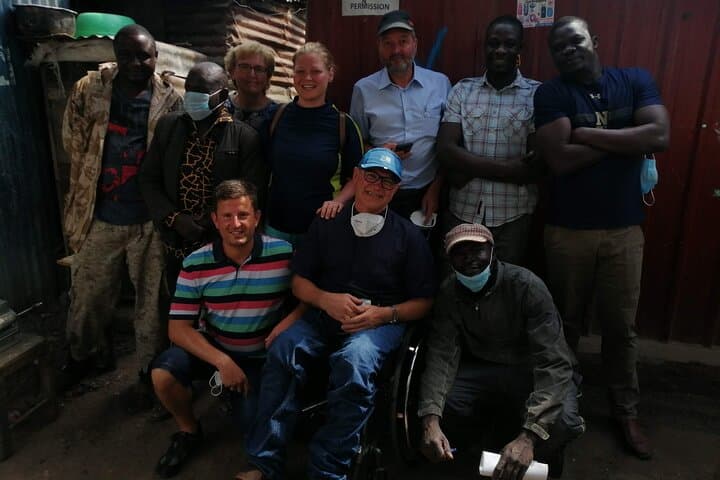
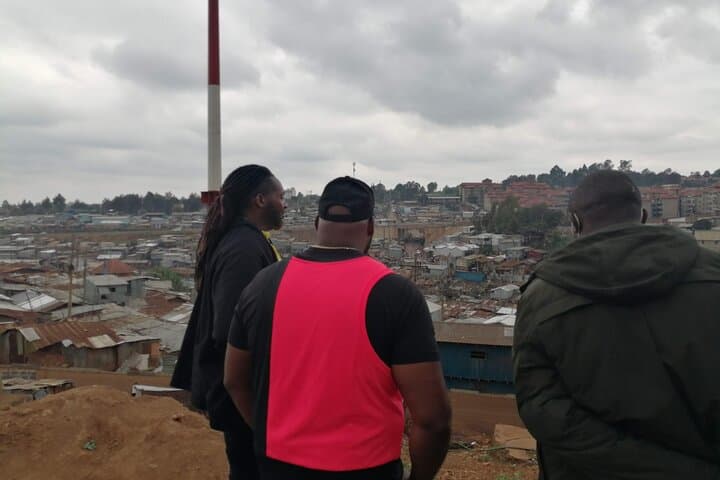
The morning often begins with conservation: the Giraffe Centre’s Rothschild giraffes and the David Sheldrick Wildlife Trust’s rescued calves are living reminders of Kenya’s conservation work. These centers combine public viewing with active release programs; calves are rehabilitated and eventually returned to protected parks. From there the tour threads into urban Nairobi and into Kibera, one of the city’s largest informal settlements, where local guides—residents themselves—lead visits to community-run projects, women’s groups and micro-enterprises at Toi Market.
Geology here is subtle: the city sits on the Nairobi Plateau, a highland of volcanic soils that support the scattered forests and parks around town. Culturally, the route exposes Kenya’s diversity—many languages, religions and livelihoods are visible in a single afternoon.
Practically, expect 5–6 hours with hotel pickup and a mix of short walks and vehicle transfers. Mornings are best for animal viewing and cooler streets. Bring modest clothing, patience for tight urban streets, and a local guide’s courtesy: ask before photographing people and respect community spaces. Accessibility varies; the tour operator lists wheelchair options but some sites use steps or dirt paths. With basic preparation—cash for small purchases, closed shoes for markets and a light rain layer in wet months—you’ll come away with a clearer, grounded understanding of Nairobi’s wildlife and urban life.
easy.
5–6 hours.
Suitable for most fitness levels; involves short, gentle walks and vehicle transfers.
Guided visits led by local residents are generally safe; follow your guide’s directions, avoid isolated areas and be respectful during interactions.
The tour lists Giraffe Centre admission as included and David Sheldrick viewing is typically scheduled—confirm specific inclusions when booking.
Yes, children are welcome but must be accompanied by an adult; some sites have stairs and combine busy market areas, so plan accordingly.
The operator notes wheelchair accessibility, but some sites have uneven paths—check accessibility details in advance for your specific needs.
Kibera originated in the early 20th century and expanded as a settlement for laborers and veterans; today it is a dense, community-driven neighborhood with active local organizations.
Both the Giraffe Centre and David Sheldrick focus on rehabilitation and release programs; community-tour revenues often support local initiatives, so low-impact visits benefit both conservation and residents.
Safari Port operates guided outdoor trips and adventures with an emphasis on safety, stewardship, and memorable experiences.
You step out of the vehicle into Nairobi’s mix of traffic hum and green pockets—acacia-lined avenues give way to a quieter lang'ata road where giraffes lean over feeding platforms and orphaned elephants babble at their keepers.
You step out of the vehicle into Nairobi’s mix of traffic hum and green pockets—acacia-lined avenues give way to a quieter lang'ata road where giraffes lean over feeding platforms and orphaned elephants babble at their keepers.
The morning often begins with conservation: the Giraffe Centre’s Rothschild giraffes and the David Sheldrick Wildlife Trust’s rescued calves are living reminders of Kenya’s conservation work. These centers combine public viewing with active release programs; calves are rehabilitated and eventually returned to protected parks. From there the tour threads into urban Nairobi and into Kibera, one of the city’s largest informal settlements, where local guides—residents themselves—lead visits to community-run projects, women’s groups and micro-enterprises at Toi Market.
Geology here is subtle: the city sits on the Nairobi Plateau, a highland of volcanic soils that support the scattered forests and parks around town. Culturally, the route exposes Kenya’s diversity—many languages, religions and livelihoods are visible in a single afternoon.
Practically, expect 5–6 hours with hotel pickup and a mix of short walks and vehicle transfers. Mornings are best for animal viewing and cooler streets. Bring modest clothing, patience for tight urban streets, and a local guide’s courtesy: ask before photographing people and respect community spaces. Accessibility varies; the tour operator lists wheelchair options but some sites use steps or dirt paths. With basic preparation—cash for small purchases, closed shoes for markets and a light rain layer in wet months—you’ll come away with a clearer, grounded understanding of Nairobi’s wildlife and urban life.