THE ADVENTURE COLLECTIVE® · Independent discovery and booking for outdoor travel

Explore Nairobi’s museums, a poignant memorial and an energetic Bomas cultural performance in one half-day. This guided tour pairs historical context with living traditions and practical transport from your hotel.
Explore Nairobi’s museums, a poignant memorial and an energetic Bomas cultural performance in one half-day. This guided tour pairs historical context with living traditions and practical transport from your hotel.
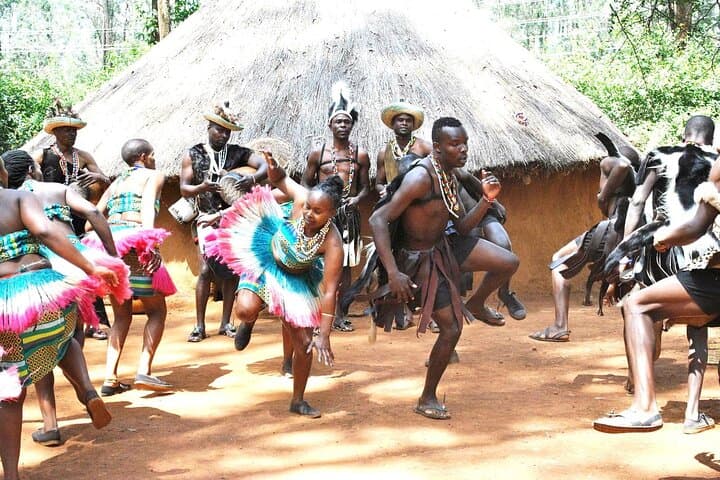
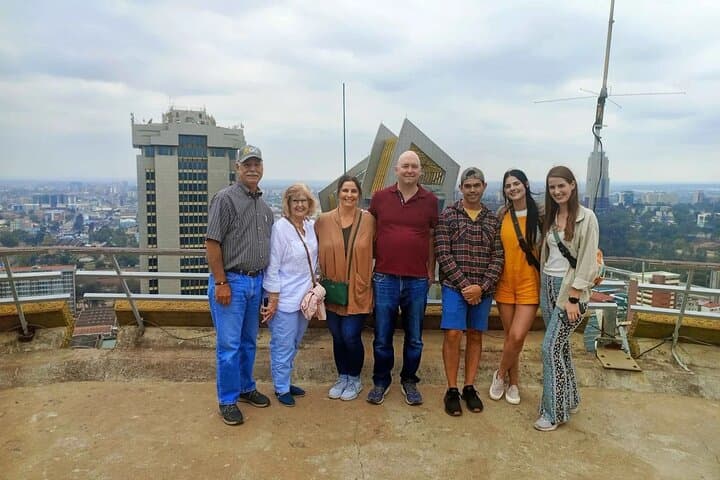
Morning light filters through jacaranda branches as the minivan pulls away from a Nairobi hotel, the city’s edges—museum lawns, tower blocks, and a patch of savanna—unfurling like chapters. The guided Nairobi City tour moves with deliberate pace: a two-hour stop at the Nairobi National Museum, a contemplative hour at the August 7 Memorial Park, rooftop views from the Kenyatta International Convention Centre, and an afternoon of tribal music and dances at Bomas of Kenya.
Verified experiences and guided adventures in the surrounding area.
Operated by Sabilom Kenya Tours & Safaris · Nairobi, Nairobi County
Morning light filters through jacaranda branches as the minivan pulls away from a Nairobi hotel, the city’s edges—museum lawns, tower blocks, and a patch of savanna—unfurling like chapters. The guided Nairobi City tour moves with deliberate pace: a two-hour stop at the Nairobi National Museum, a contemplative hour at the August 7 Memorial Park, rooftop views from the Kenyatta International Convention Centre, and an afternoon of tribal music and dances at Bomas of Kenya.
The museum, founded in 1920, frames Kenya’s archaeology, natural history and post-colonial story; fossils, ethnographic displays and contemporary art offer context before the tour steps into civic memory at the August 7th memorial, a site that marks Nairobi’s modern political history.
Geologically Nairobi sits on the Rift Valley plateau—uplifted volcanic soils give rise to the city’s parks and the fringe of Nairobi National Park, a rare protected grassland that pushes against urban growth. At Bomas, reconstructed homesteads represent multiple ethnic groups and living traditions; performers bring songs, drumming and acrobatics that map cultural lines into motion.
Practical guidance: expect six hours away from your hotel with guided transfers, moderate walking on paved and compacted earth, and scheduled admission included. Bring comfortable walking shoes, sunscreen, and a reusable water bottle; plan to buy lunch in the city. Morning departures avoid the heaviest traffic; weekends shift performance times at Bomas, so confirm schedules. Respect memorial spaces, ask before photographing performers up close, and leave no trace—these small choices support cultural preservation and urban wildlife at the park’s edge.
easy.
6 hours.
Suitable for most fitness levels; involves moderate walking over paved surfaces and short steps.
The tour lasts about six hours and includes hotel pickup/drop-off, entrance to scheduled stops, and a guided visit to Nairobi National Museum and Bomas of Kenya.
No—lunch is at your own expense; the itinerary includes about an hour for lunch in the city with many local options nearby.
Yes—physically easy with mostly short walks; infants must sit on an adult’s lap and standard child considerations apply.
Weekday performances typically run mid-afternoon; weekend times differ, so confirm the exact schedule when booking to match the advertised showtimes.
Nairobi’s National Museum, established in 1929, collects archaeology, natural history and ethnography that trace Kenya’s colonial and pre-colonial past. Bomas was created to preserve and showcase the country’s many ethnic traditions through performance and reconstructed homesteads.
Support cultural conservation by buying local crafts ethically and asking permission before photographing. Avoid feeding wildlife and stick to designated areas near Nairobi National Park to reduce human-wildlife conflict.
Sabilom Kenya Tours & Safaris operates guided outdoor trips and adventures with an emphasis on safety, stewardship, and memorable experiences.


Morning light filters through jacaranda branches as the minivan pulls away from a Nairobi hotel, the city’s edges—museum lawns, tower blocks, and a patch of savanna—unfurling like chapters. The guided Nairobi City tour moves with deliberate pace: a two-hour stop at the Nairobi National Museum, a contemplative hour at the August 7 Memorial Park, rooftop views from the Kenyatta International Convention Centre, and an afternoon of tribal music and dances at Bomas of Kenya.
Morning light filters through jacaranda branches as the minivan pulls away from a Nairobi hotel, the city’s edges—museum lawns, tower blocks, and a patch of savanna—unfurling like chapters. The guided Nairobi City tour moves with deliberate pace: a two-hour stop at the Nairobi National Museum, a contemplative hour at the August 7 Memorial Park, rooftop views from the Kenyatta International Convention Centre, and an afternoon of tribal music and dances at Bomas of Kenya.
The museum, founded in 1920, frames Kenya’s archaeology, natural history and post-colonial story; fossils, ethnographic displays and contemporary art offer context before the tour steps into civic memory at the August 7th memorial, a site that marks Nairobi’s modern political history.
Geologically Nairobi sits on the Rift Valley plateau—uplifted volcanic soils give rise to the city’s parks and the fringe of Nairobi National Park, a rare protected grassland that pushes against urban growth. At Bomas, reconstructed homesteads represent multiple ethnic groups and living traditions; performers bring songs, drumming and acrobatics that map cultural lines into motion.
Practical guidance: expect six hours away from your hotel with guided transfers, moderate walking on paved and compacted earth, and scheduled admission included. Bring comfortable walking shoes, sunscreen, and a reusable water bottle; plan to buy lunch in the city. Morning departures avoid the heaviest traffic; weekends shift performance times at Bomas, so confirm schedules. Respect memorial spaces, ask before photographing performers up close, and leave no trace—these small choices support cultural preservation and urban wildlife at the park’s edge.