THE ADVENTURE COLLECTIVE® · Independent discovery and booking for outdoor travel

Spend a focused half-day in Nairobi’s core: explore the National Museum’s cultural and geological displays, encounter reptiles at the Snake Park, and take in city panoramas from the KICC rooftop. This compact itinerary suits travelers short on time who want a grounded introduction to Nairobi’s history and sights.
Spend a focused half-day in Nairobi’s core: explore the National Museum’s cultural and geological displays, encounter reptiles at the Snake Park, and take in city panoramas from the KICC rooftop. This compact itinerary suits travelers short on time who want a grounded introduction to Nairobi’s history and sights.
You step out into Nairobi traffic at 8:30 a.m., the city unfolding in layers: colonial stonework, modern glass, and the green patchwork of museum lawns. The tour moves deliberately—first into the cool, curated halls of the Nairobi National Museum, then to the tight enclosures and aquaria of the Snake Park, and finally into the geometric skyline seen from the rooftop of the Kenyatta International Conference Centre.
Verified experiences and guided adventures in the surrounding area.
Operated by Bush Pumba Safaris · Nairobi, Nairobi County
You step out into Nairobi traffic at 8:30 a.m., the city unfolding in layers: colonial stonework, modern glass, and the green patchwork of museum lawns. The tour moves deliberately—first into the cool, curated halls of the Nairobi National Museum, then to the tight enclosures and aquaria of the Snake Park, and finally into the geometric skyline seen from the rooftop of the Kenyatta International Conference Centre.
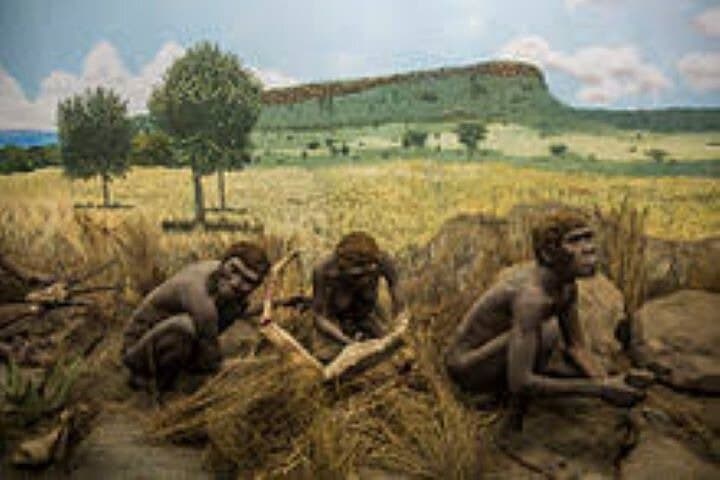
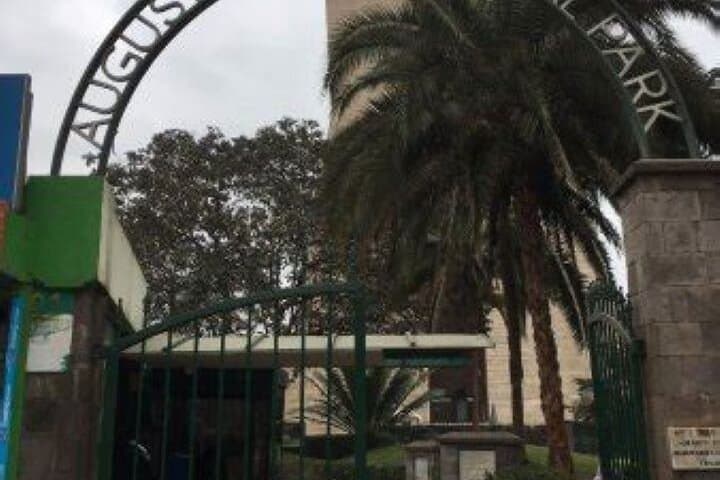
The National Museum opened its doors in the 1920s to document Kenya’s human and natural history; its displays trace archaeological finds from the Rift Valley and collections of tribal art that speak to the city’s role as a regional crossroads. Geologically, Nairobi sits on the Nairobi Plateau with volcanic soils and distant escarpments hinting at the Great Rift Valley’s drama. Culturally, the August 7th Memorial Park marks a recent and solemn chapter—an urban pause that remembers the 1998 bombing victims.
Expect a mix of outdoor walking and indoor exhibits—well-maintained paths, short stair sections to the KICC rooftop, and enclosed reptile houses with snakes and crocodiles on display. The guide steers traffic logistics and local details, from Nairobi’s peak commute times to where to find a quick samosa.
Practical guidance: book morning departures to avoid late-afternoon gridlock; carry a refillable water bottle and a light rain jacket during the long-rains months. Cameras are welcome but respect exhibit rules; avoid touching enclosures in the Snake Park. Allow four hours for the full circuit if you want relaxed time at each stop.
easy.
4 hours.
Light walking ability; mostly flat paths with short stairs to rooftop. Suitable for most travelers.
Yes; this private tour includes admission to the Nairobi National Museum, Snake Park and rooftop access at KICC as listed in the itinerary.
Yes; the tour offers hotel pickup and drop-off within Nairobi—confirm your pickup location when booking.
Yes; the tour is labelled physically easy. Infants must sit on laps. Supervision is required around animal enclosures.
Guides typically speak English; other languages may be available on request—confirm at booking to ensure availability.
The Nairobi National Museum was established in the 1920s to preserve Kenya’s archaeology and culture; the August 7th Memorial Park commemorates victims of the 1998 bombing.
Support the museum’s conservation efforts by following exhibit rules and avoiding single-use plastics; do not feed or disturb animals in parks and displays.
Bush Pumba Safaris operates guided outdoor trips and adventures with an emphasis on safety, stewardship, and memorable experiences.

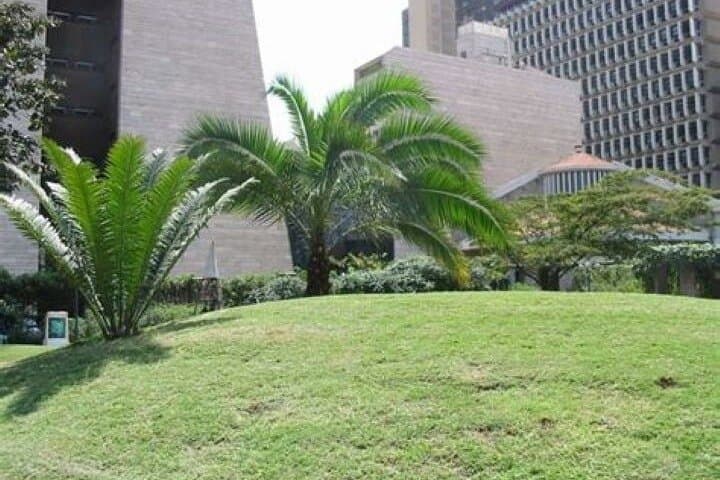
You step out into Nairobi traffic at 8:30 a.m., the city unfolding in layers: colonial stonework, modern glass, and the green patchwork of museum lawns. The tour moves deliberately—first into the cool, curated halls of the Nairobi National Museum, then to the tight enclosures and aquaria of the Snake Park, and finally into the geometric skyline seen from the rooftop of the Kenyatta International Conference Centre.
You step out into Nairobi traffic at 8:30 a.m., the city unfolding in layers: colonial stonework, modern glass, and the green patchwork of museum lawns. The tour moves deliberately—first into the cool, curated halls of the Nairobi National Museum, then to the tight enclosures and aquaria of the Snake Park, and finally into the geometric skyline seen from the rooftop of the Kenyatta International Conference Centre.
The National Museum opened its doors in the 1920s to document Kenya’s human and natural history; its displays trace archaeological finds from the Rift Valley and collections of tribal art that speak to the city’s role as a regional crossroads. Geologically, Nairobi sits on the Nairobi Plateau with volcanic soils and distant escarpments hinting at the Great Rift Valley’s drama. Culturally, the August 7th Memorial Park marks a recent and solemn chapter—an urban pause that remembers the 1998 bombing victims.
Expect a mix of outdoor walking and indoor exhibits—well-maintained paths, short stair sections to the KICC rooftop, and enclosed reptile houses with snakes and crocodiles on display. The guide steers traffic logistics and local details, from Nairobi’s peak commute times to where to find a quick samosa.
Practical guidance: book morning departures to avoid late-afternoon gridlock; carry a refillable water bottle and a light rain jacket during the long-rains months. Cameras are welcome but respect exhibit rules; avoid touching enclosures in the Snake Park. Allow four hours for the full circuit if you want relaxed time at each stop.