THE ADVENTURE COLLECTIVE® · Independent discovery and booking for outdoor travel

Spend an afternoon at Bomas of Kenya watching traditional dances and end the night with the theatrical Carnivore feast. This four‑hour combo pairs cultural performance with an unforgettable dining ritual.
Spend an afternoon at Bomas of Kenya watching traditional dances and end the night with the theatrical Carnivore feast. This four‑hour combo pairs cultural performance with an unforgettable dining ritual.
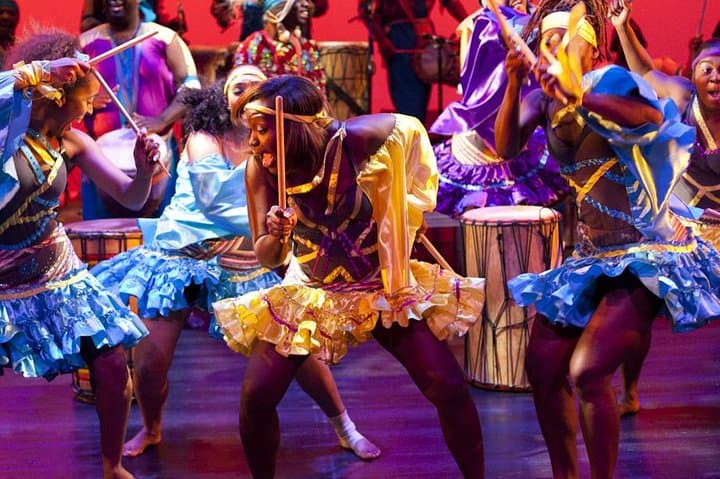
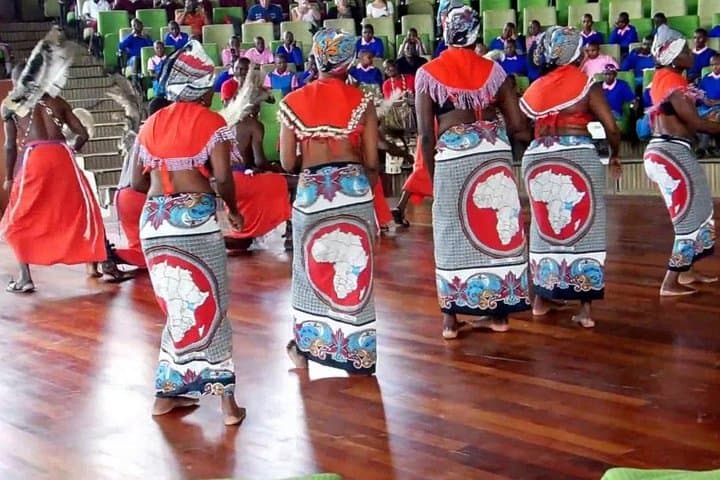
A low sun coats the red earth as a convoy pulls up to Bomas of Kenya, an open arena where drums beat like a pulse and dancers step with razor precision. Audiences gather on concrete tiers while performers, in bright cloth and beadwork, rotate through acrobatic sequences and communal dances that represent Kenya’s major ethnic groups.
Verified experiences and guided adventures in the surrounding area.
Operated by Gracepatt Safaris · Nairobi, Nairobi County
A low sun coats the red earth as a convoy pulls up to Bomas of Kenya, an open arena where drums beat like a pulse and dancers step with razor precision. Audiences gather on concrete tiers while performers, in bright cloth and beadwork, rotate through acrobatic sequences and communal dances that represent Kenya’s major ethnic groups.
Bomas was created in the 1970s as a living museum to preserve and present Kenya’s cultural traditions; its compounds replicate traditional homesteads and place performance at the center of cultural exchange. Geologically, Nairobi sits on the high plateau of central Kenya near the Rift Valley—air at roughly 1,795 meters gives evenings a clear, cool edge and a broad horizon.
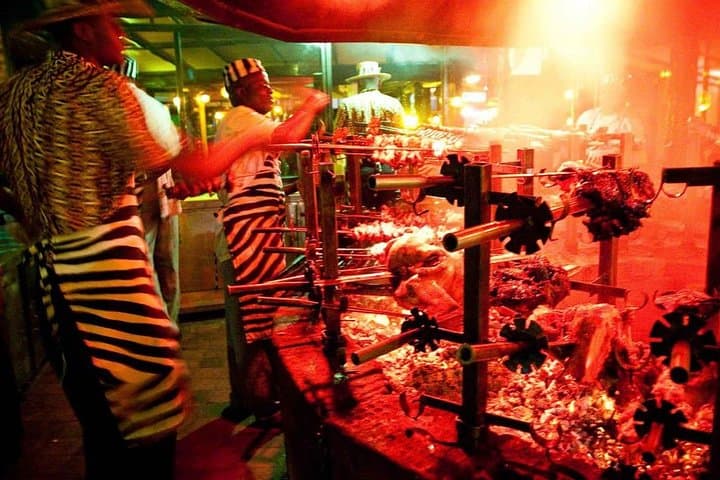
After the two-hour show, the rhythm shifts to the Carnivore Restaurant where a theatrical meat service unfolds. Chefs carve whole joints and exotic options — ostrich, crocodile among them — at your table; a white paper flag signals when you’ve had enough. Both venues reflect Nairobi’s mix of urban energy and pastoral heritage: one staged around intangible culture, the other around communal feasting.
Practicalities matter: the combined experience runs about four hours with hotel pickup, smart-casual dress, and late-afternoon timing that avoids midday heat. Visitors should plan for crowds, clarify dietary needs in advance, and carry local currency for incidental purchases and tips. For those who want local color fast—this pairing delivers performance, food, and the sort of sensory contrast that defines Nairobi.
easy.
4 hours.
Minimal physical fitness required; attendees should be able to sit for multiple performances and navigate short walks between venues.
Yes—shared hotel pickup is typically included; confirm your pickup point and time during booking.
Carnivore can accommodate dietary requests if notified in advance; confirm during booking to ensure options are prepared.
The itinerary generally allocates about two hours at Bomas and two hours at the restaurant for a total of approximately four hours.
Children are welcome but must be accompanied by an adult; some menu items may not appeal to young palates.
Bomas of Kenya was established in the early 1970s to preserve and present traditional homesteads and cultural performances from Kenya’s multiple ethnic groups.
Support sustainable tourism by buying local crafts, minimizing waste at shared meals, and asking about responsibly sourced menu items where available.
Gracepatt Safaris operates guided outdoor trips and adventures with an emphasis on safety, stewardship, and memorable experiences.

A low sun coats the red earth as a convoy pulls up to Bomas of Kenya, an open arena where drums beat like a pulse and dancers step with razor precision. Audiences gather on concrete tiers while performers, in bright cloth and beadwork, rotate through acrobatic sequences and communal dances that represent Kenya’s major ethnic groups.
A low sun coats the red earth as a convoy pulls up to Bomas of Kenya, an open arena where drums beat like a pulse and dancers step with razor precision. Audiences gather on concrete tiers while performers, in bright cloth and beadwork, rotate through acrobatic sequences and communal dances that represent Kenya’s major ethnic groups.
Bomas was created in the 1970s as a living museum to preserve and present Kenya’s cultural traditions; its compounds replicate traditional homesteads and place performance at the center of cultural exchange. Geologically, Nairobi sits on the high plateau of central Kenya near the Rift Valley—air at roughly 1,795 meters gives evenings a clear, cool edge and a broad horizon.
After the two-hour show, the rhythm shifts to the Carnivore Restaurant where a theatrical meat service unfolds. Chefs carve whole joints and exotic options — ostrich, crocodile among them — at your table; a white paper flag signals when you’ve had enough. Both venues reflect Nairobi’s mix of urban energy and pastoral heritage: one staged around intangible culture, the other around communal feasting.
Practicalities matter: the combined experience runs about four hours with hotel pickup, smart-casual dress, and late-afternoon timing that avoids midday heat. Visitors should plan for crowds, clarify dietary needs in advance, and carry local currency for incidental purchases and tips. For those who want local color fast—this pairing delivers performance, food, and the sort of sensory contrast that defines Nairobi.