THE ADVENTURE COLLECTIVE® · Independent discovery and booking for outdoor travel

Spend a half-day exploring Utamaduni’s artisan market and the Kobe bead workshop, then reward yourself with a charcoal-roasted feast at Carnivore Restaurant. This guided tour mixes cultural context, responsible craft shopping and a robust Kenyan lunch.
Spend a half-day exploring Utamaduni’s artisan market and the Kobe bead workshop, then reward yourself with a charcoal-roasted feast at Carnivore Restaurant. This guided tour mixes cultural context, responsible craft shopping and a robust Kenyan lunch.
You step out of your hotel into Nairobi’s highland light — the city sits at roughly 1,795 m, air crisp and the road rolling toward Langata. A short drive takes you to Utamaduni, a shaded artisan compound where garden paths lead between workshops and stalls stacked with carved wood, textiles and hand-beaded jewelry. The guide points out patterns and makers; nearby, the Kobe bead factory hums with small-scale production tied to Maasai communities.
Verified experiences and guided adventures in the surrounding area.
Operated by Zazu Safari Ventures · Nairobi, Nairobi County
You step out of your hotel into Nairobi’s highland light — the city sits at roughly 1,795 m, air crisp and the road rolling toward Langata. A short drive takes you to Utamaduni, a shaded artisan compound where garden paths lead between workshops and stalls stacked with carved wood, textiles and hand-beaded jewelry. The guide points out patterns and makers; nearby, the Kobe bead factory hums with small-scale production tied to Maasai communities.
Nairobi grew from a railway depot in the early 20th century into Kenya’s commercial hub; the Langata corridor where this tour runs sits on soils of the Nairobi Plateau, shaped by volcanic lava flows and long-term erosion. That geology created the flat expanses that made Nairobi a transport node — and a market for crafts. The Kobe project uses beadwork as climate-adaptation income for pastoral communities, blending craft, culture and social purpose.
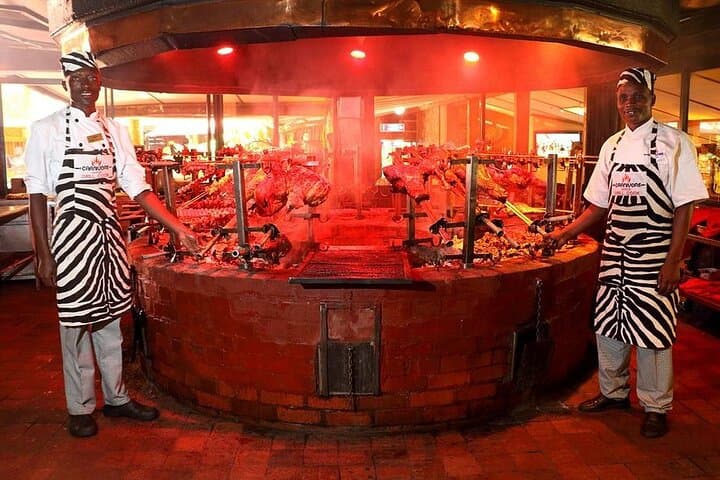
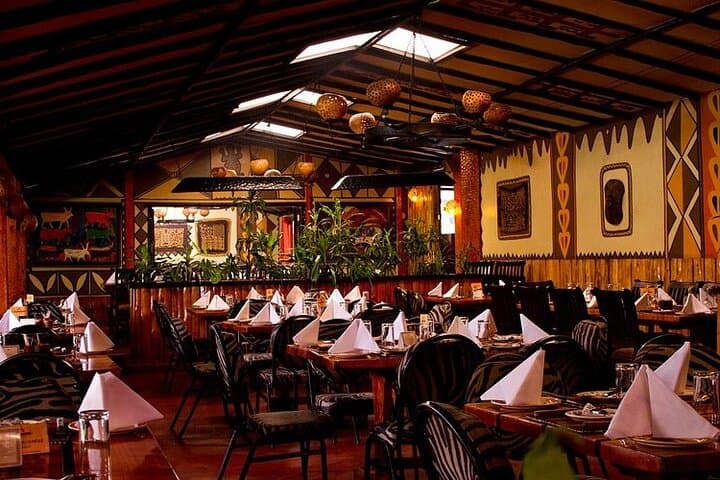
Practically, the day is gentle walking mixed with seated browsing and a hearty lunch at the Carnivore Restaurant where charcoal-roasted meats are carved at the table — vegetarians will find sides and salads but should flag restrictions ahead. The itinerary runs about six hours with hotel pickup and drop-off provided. Bring small bills for purchases and shipping, wear comfortable shoes for gravel paths, and carry a sun hat: days are warm and often sunny. Allow time for packaging or arranging shipment if you buy larger pieces. The tour delivers a snapshot of Nairobi’s contemporary craft scene and an unvarnished encounter with Kenyan culinary theatre — useful, sociable, and easy on fitness yet rich in local detail.
easy.
5–6 hours.
Light activity with short walks and standing while browsing; suitable for most fitness levels
Yes — the tour includes hotel pickup and drop-off within Nairobi; confirm your pickup location when booking.
Many vendors at Utamaduni will help pack and arrange shipping or fast courier services for an extra fee; ask before you buy.
Carnivore is meat-focused but offers salads, sides and soups; notify the operator ahead if you need vegetarian or allergen-friendly meals.
Some haggling is normal at smaller stalls; prices at Utamaduni’s established shops tend to be more fixed but polite negotiation is acceptable.
Nairobi rose as a railway town under British colonial rule; contemporary craft markets blend indigenous techniques with urban markets and social enterprises.
Look for pieces made from sustainable materials and support vendors who practice fair pay; many bead projects were set up to provide climate-resilient income for Maasai families.
Zazu Safari Ventures operates guided outdoor trips and adventures with an emphasis on safety, stewardship, and memorable experiences.
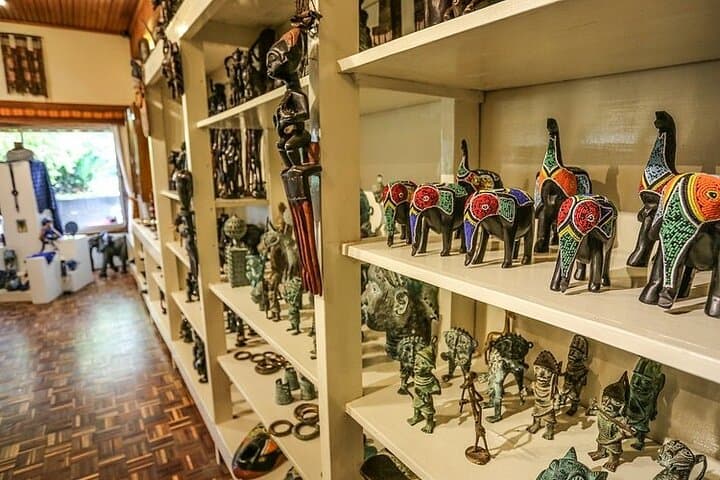
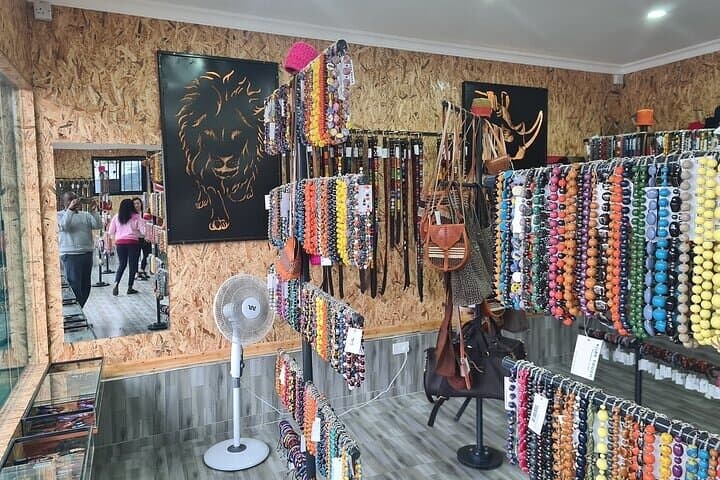
You step out of your hotel into Nairobi’s highland light — the city sits at roughly 1,795 m, air crisp and the road rolling toward Langata. A short drive takes you to Utamaduni, a shaded artisan compound where garden paths lead between workshops and stalls stacked with carved wood, textiles and hand-beaded jewelry. The guide points out patterns and makers; nearby, the Kobe bead factory hums with small-scale production tied to Maasai communities.
You step out of your hotel into Nairobi’s highland light — the city sits at roughly 1,795 m, air crisp and the road rolling toward Langata. A short drive takes you to Utamaduni, a shaded artisan compound where garden paths lead between workshops and stalls stacked with carved wood, textiles and hand-beaded jewelry. The guide points out patterns and makers; nearby, the Kobe bead factory hums with small-scale production tied to Maasai communities.
Nairobi grew from a railway depot in the early 20th century into Kenya’s commercial hub; the Langata corridor where this tour runs sits on soils of the Nairobi Plateau, shaped by volcanic lava flows and long-term erosion. That geology created the flat expanses that made Nairobi a transport node — and a market for crafts. The Kobe project uses beadwork as climate-adaptation income for pastoral communities, blending craft, culture and social purpose.
Practically, the day is gentle walking mixed with seated browsing and a hearty lunch at the Carnivore Restaurant where charcoal-roasted meats are carved at the table — vegetarians will find sides and salads but should flag restrictions ahead. The itinerary runs about six hours with hotel pickup and drop-off provided. Bring small bills for purchases and shipping, wear comfortable shoes for gravel paths, and carry a sun hat: days are warm and often sunny. Allow time for packaging or arranging shipment if you buy larger pieces. The tour delivers a snapshot of Nairobi’s contemporary craft scene and an unvarnished encounter with Kenyan culinary theatre — useful, sociable, and easy on fitness yet rich in local detail.