THE ADVENTURE COLLECTIVE® · Independent discovery and booking for outdoor travel

Spend a half day at the Nairobi Animal Orphanage inside Nairobi National Park to see rescued carnivores and herbivores up close. This practical guide explains what you’ll see, why the center matters, and how to prepare for the visit.
Spend a half day at the Nairobi Animal Orphanage inside Nairobi National Park to see rescued carnivores and herbivores up close. This practical guide explains what you’ll see, why the center matters, and how to prepare for the visit.
You step out of the car into the dry, sun-barked wind that slides across the plains at the edge of Nairobi National Park. A low fence separates the urban skyline from grazing plains where rescued animals move with a cautious curiosity — lions blink in the shade, a lanky serval pads between scrub, and the air carries the sharp call of guinea fowl. The orphanage feels like a working clinic and classroom at once: wards, enclosures, and veterinary spaces where rehabilitation happens in full view.
Verified experiences and guided adventures in the surrounding area.
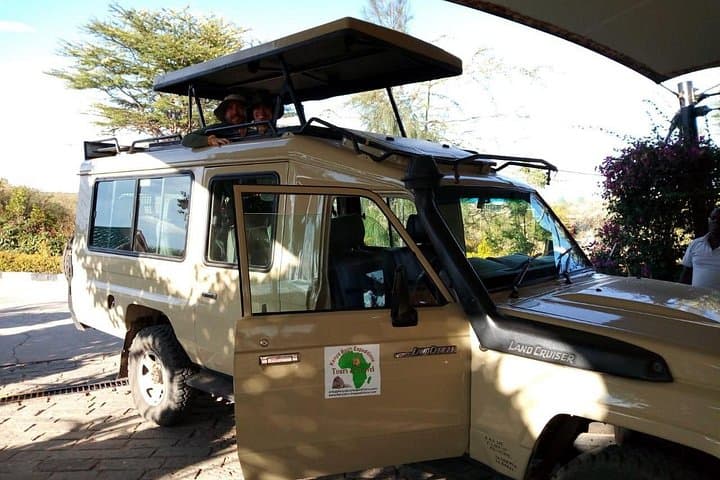
Operated by Kenya Bush Expeditions Tour and Travel · Nairobi, Nairobi County
You step out of the car into the dry, sun-barked wind that slides across the plains at the edge of Nairobi National Park. A low fence separates the urban skyline from grazing plains where rescued animals move with a cautious curiosity — lions blink in the shade, a lanky serval pads between scrub, and the air carries the sharp call of guinea fowl. The orphanage feels like a working clinic and classroom at once: wards, enclosures, and veterinary spaces where rehabilitation happens in full view.
The orphanage sits inside Nairobi National Park, one of the few protected areas adjacent to a capital city; the park’s savanna soils are Pleistocene deposits shaped by ancient rivers that once braided this lowland. The center’s work is rooted in Kenya’s longer conservation history, from colonial game reserves to modern community-based initiatives that emphasize rescue, rehabilitation, and release. Local guides often explain cultural attitudes toward wildlife here — respect tempered by necessity — and you’ll hear stories about rescue calls, riverine rescues, and the occasional urban-park encounter.
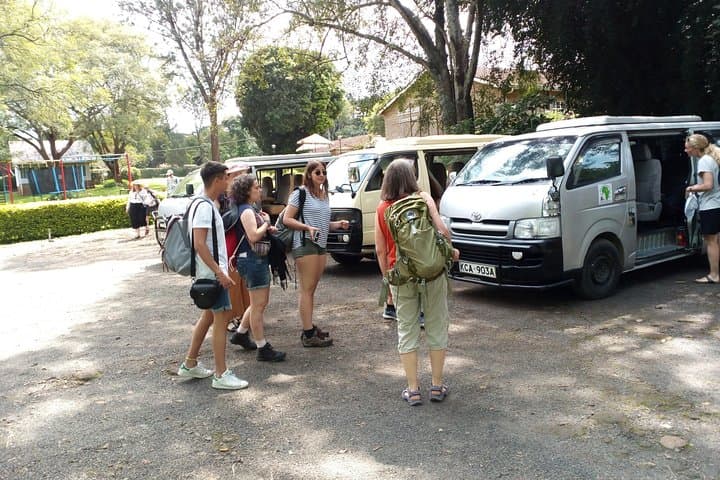
Practically, this half-day visit runs about five hours including pickup from central Nairobi. Expect an air‑conditioned drive of roughly 30 minutes each way, time on site to view animals and learn from staff, and basic accessibility for most visitors. Bring sun protection, a camera with a telephoto lens, and an open mind: the orphanage is educational rather than safari spectacle. Pay attention to keeper briefings, avoid touching animals, and leave extra time in your schedule — encounters here can be both moving and logistically variable.
easy.
5 hours.
Suitable for most fitness levels; requires short periods of standing and walking on flat surfaces
The full experience including hotel pickup and drop-off runs about five hours with roughly 30 minutes driving each way and extended time at the orphanage.
No; for welfare and safety reasons guests must not touch or feed animals—keepers will demonstrate any permitted interactions.
Yes; the facility and transport options are listed as wheelchair accessible, but confirm specific vehicle needs at booking.
Yes; the tour is family-friendly but infants must sit on laps and all children should be supervised around enclosures.
Nairobi National Park was established in 1946 and is one of the only national parks bordering a capital; the orphanage evolved as a rehabilitation hub tied to Kenya’s wildlife protection efforts.
The center focuses on rescue, veterinary care, and preparing animals for release where possible; visitors support funding but should follow rules to minimize stress on animals.
Kenya Bush Expeditions Tour and Travel operates guided outdoor trips and adventures with an emphasis on safety, stewardship, and memorable experiences.

You step out of the car into the dry, sun-barked wind that slides across the plains at the edge of Nairobi National Park. A low fence separates the urban skyline from grazing plains where rescued animals move with a cautious curiosity — lions blink in the shade, a lanky serval pads between scrub, and the air carries the sharp call of guinea fowl. The orphanage feels like a working clinic and classroom at once: wards, enclosures, and veterinary spaces where rehabilitation happens in full view.
You step out of the car into the dry, sun-barked wind that slides across the plains at the edge of Nairobi National Park. A low fence separates the urban skyline from grazing plains where rescued animals move with a cautious curiosity — lions blink in the shade, a lanky serval pads between scrub, and the air carries the sharp call of guinea fowl. The orphanage feels like a working clinic and classroom at once: wards, enclosures, and veterinary spaces where rehabilitation happens in full view.
The orphanage sits inside Nairobi National Park, one of the few protected areas adjacent to a capital city; the park’s savanna soils are Pleistocene deposits shaped by ancient rivers that once braided this lowland. The center’s work is rooted in Kenya’s longer conservation history, from colonial game reserves to modern community-based initiatives that emphasize rescue, rehabilitation, and release. Local guides often explain cultural attitudes toward wildlife here — respect tempered by necessity — and you’ll hear stories about rescue calls, riverine rescues, and the occasional urban-park encounter.
Practically, this half-day visit runs about five hours including pickup from central Nairobi. Expect an air‑conditioned drive of roughly 30 minutes each way, time on site to view animals and learn from staff, and basic accessibility for most visitors. Bring sun protection, a camera with a telephoto lens, and an open mind: the orphanage is educational rather than safari spectacle. Pay attention to keeper briefings, avoid touching animals, and leave extra time in your schedule — encounters here can be both moving and logistically variable.