THE ADVENTURE COLLECTIVE® · Independent discovery and booking for outdoor travel

Spend a half day at the Nairobi Animal Orphanage inside Nairobi National Park to meet rescued lions, cheetahs, leopards and a wide range of birds while learning about rehabilitation and conservation. This easy, informative visit pairs close-up animal viewing with practical lessons on wildlife protection.
Spend a half day at the Nairobi Animal Orphanage inside Nairobi National Park to meet rescued lions, cheetahs, leopards and a wide range of birds while learning about rehabilitation and conservation. This easy, informative visit pairs close-up animal viewing with practical lessons on wildlife protection.
Morning light throws a low sun across the short grass of Nairobi National Park as the van eases into the Kenya Wildlife Service compound. You step out and the air is a mix of dust, bird calls and distant traffic—city and savanna rubbing shoulders. At the Animal Orphanage rescued lions, cheetahs and smaller felids move with the practiced calm of animals in care, while parrots and crowned cranes add bright, noisy punctuation to the scene.
Verified experiences and guided adventures in the surrounding area.
Operated by Shagami Kenya Tours and Safaris · Nairobi, Nairobi County
Morning light throws a low sun across the short grass of Nairobi National Park as the van eases into the Kenya Wildlife Service compound. You step out and the air is a mix of dust, bird calls and distant traffic—city and savanna rubbing shoulders. At the Animal Orphanage rescued lions, cheetahs and smaller felids move with the practiced calm of animals in care, while parrots and crowned cranes add bright, noisy punctuation to the scene.
The orphanage is part of Kenya Wildlife Service’s broader conservation network; Nairobi National Park itself predates the city’s skyline, set aside in the mid-20th century to conserve savanna species within reach of the capital. Geologically the area is a shallow plain of volcanic soils and grassland that funnels seasonal migration and supports grazers. Culturally, the orphanage is an educational touchpoint—teachers, rangers and volunteers explain wildlife health, anti-poaching and coexistence where urban growth presses on wild habitat.
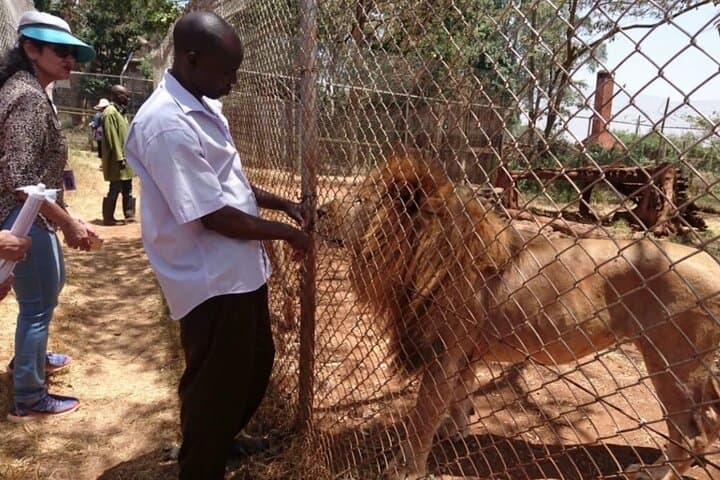
Expect a measured, informative visit rather than a wild safari: enclosures and rehabilitation pens dominate, with interpretive signage and scheduled feedings or talks. Practicalities matter—pickups are usually provided, entrance and bottled water are included, and the tour runs about four hours. Wear comfortable walking shoes, bring sun protection and a decent zoom lens or binoculars for close-up viewing. Respect barriers and follow staff directions; these animals are recovering and the site prioritizes welfare and rehabilitation over entertainment.
easy.
4 hours.
Suitable for all fitness levels; mostly short walks on flat ground
Yes; the tour typically includes hotel pickup and drop-off in Nairobi—confirm your pickup point during booking.
Children are welcome; infants must sit on an adult’s lap and everyone should follow safety guidance from staff.
This is a rehabilitation and orphanage facility with enclosures—you’ll see rescued animals up close, not wild, free-roaming individuals.
The tour lasts about four hours and normally includes entrance fees, bottled water and transfers as stated at booking.
The orphanage is run by Kenya Wildlife Service as part of long-standing conservation efforts linked to Nairobi National Park, which was established mid-20th century to protect wildlife near the capital.
Visits fund care and rehabilitation while educating the public about human-wildlife conflict and anti-poaching; follow rules to minimize stress on recovering animals.
Shagami Kenya Tours and Safaris operates guided outdoor trips and adventures with an emphasis on safety, stewardship, and memorable experiences.
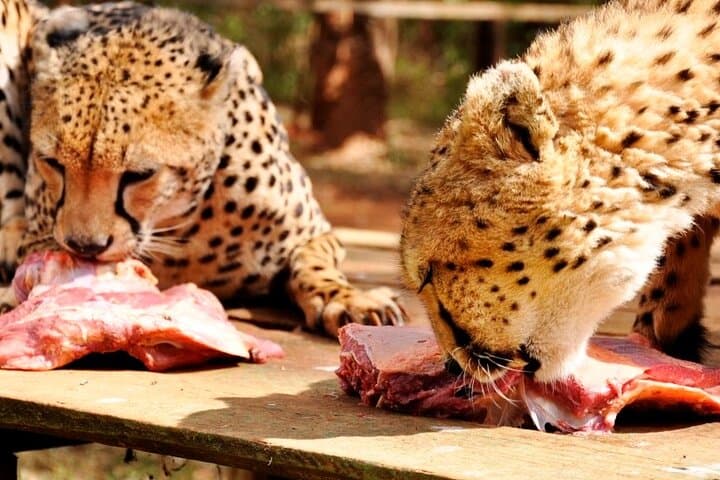
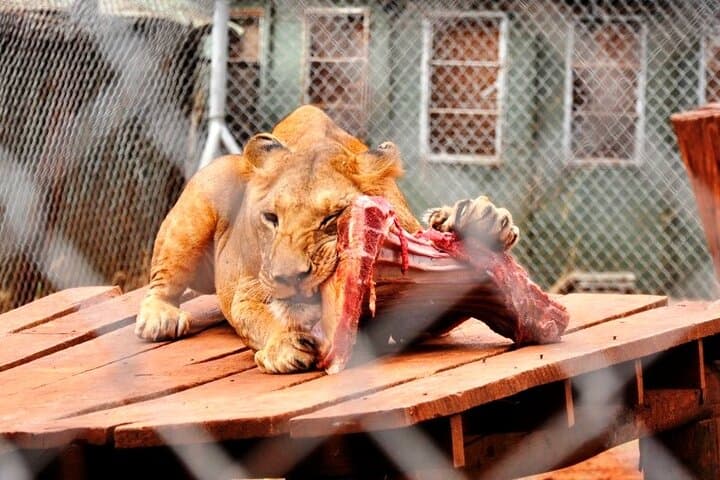
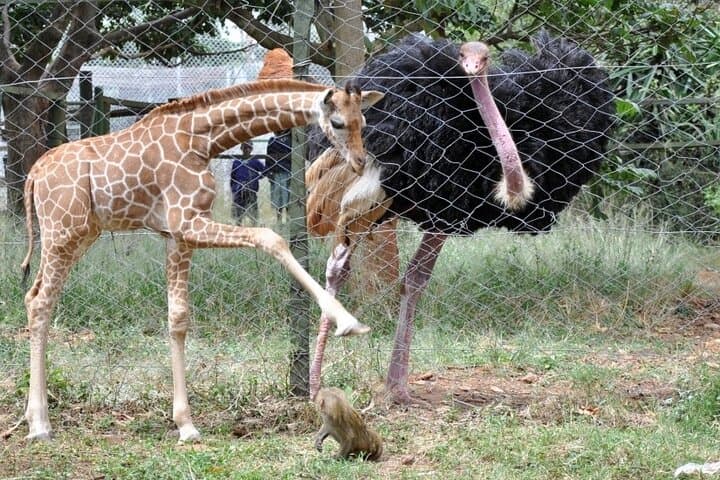
Morning light throws a low sun across the short grass of Nairobi National Park as the van eases into the Kenya Wildlife Service compound. You step out and the air is a mix of dust, bird calls and distant traffic—city and savanna rubbing shoulders. At the Animal Orphanage rescued lions, cheetahs and smaller felids move with the practiced calm of animals in care, while parrots and crowned cranes add bright, noisy punctuation to the scene.
Morning light throws a low sun across the short grass of Nairobi National Park as the van eases into the Kenya Wildlife Service compound. You step out and the air is a mix of dust, bird calls and distant traffic—city and savanna rubbing shoulders. At the Animal Orphanage rescued lions, cheetahs and smaller felids move with the practiced calm of animals in care, while parrots and crowned cranes add bright, noisy punctuation to the scene.
The orphanage is part of Kenya Wildlife Service’s broader conservation network; Nairobi National Park itself predates the city’s skyline, set aside in the mid-20th century to conserve savanna species within reach of the capital. Geologically the area is a shallow plain of volcanic soils and grassland that funnels seasonal migration and supports grazers. Culturally, the orphanage is an educational touchpoint—teachers, rangers and volunteers explain wildlife health, anti-poaching and coexistence where urban growth presses on wild habitat.
Expect a measured, informative visit rather than a wild safari: enclosures and rehabilitation pens dominate, with interpretive signage and scheduled feedings or talks. Practicalities matter—pickups are usually provided, entrance and bottled water are included, and the tour runs about four hours. Wear comfortable walking shoes, bring sun protection and a decent zoom lens or binoculars for close-up viewing. Respect barriers and follow staff directions; these animals are recovering and the site prioritizes welfare and rehabilitation over entertainment.