THE ADVENTURE COLLECTIVE® · Independent discovery and booking for outdoor travel

Spend three days in the Masai Mara watching the Big Five, following migration know-how, and visiting Maasai communities. This compact safari balances long drives with focused game drives and cultural insight.
Spend three days in the Masai Mara watching the Big Five, following migration know-how, and visiting Maasai communities. This compact safari balances long drives with focused game drives and cultural insight.
The sun lifts itself over wide, golden grass—first light slices the savannah and the Mara stirs. You feel the vehicle’s dust settle as a lone zebra flicks an ear; somewhere a lion’s low call answers the morning. This is the Masai Mara: open plains that push you forward and rivers that dare you to watch closely.
Verified experiences and guided adventures in the surrounding area.
Operated by Kairi Tours and Safaris · Narok Town, Narok County
The sun lifts itself over wide, golden grass—first light slices the savannah and the Mara stirs. You feel the vehicle’s dust settle as a lone zebra flicks an ear; somewhere a lion’s low call answers the morning. This is the Masai Mara: open plains that push you forward and rivers that dare you to watch closely.
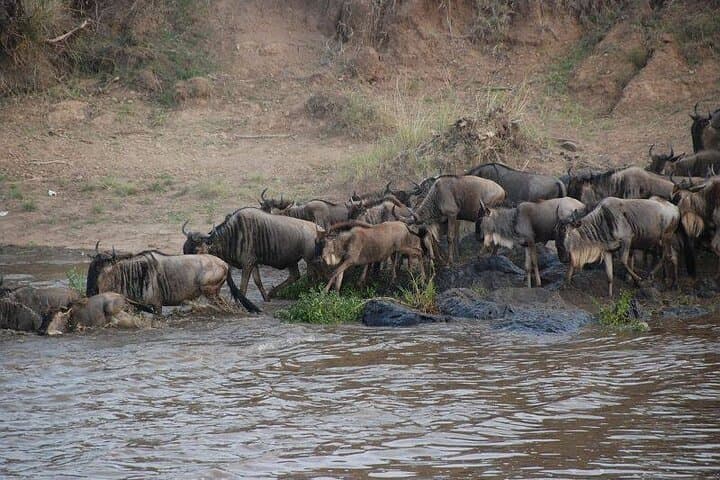
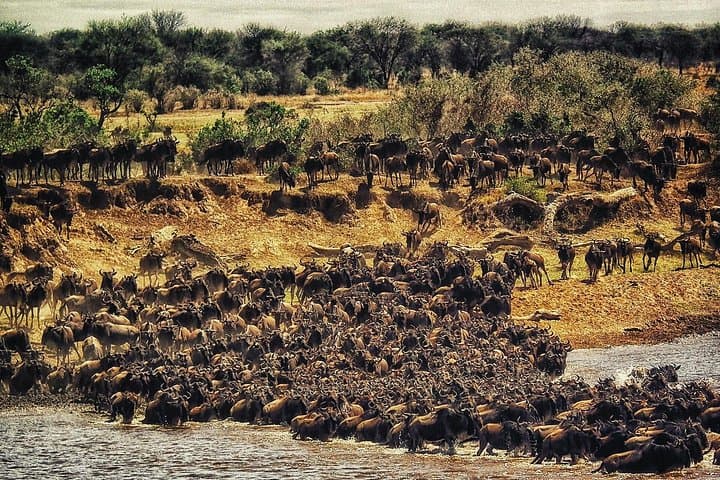
Geology here is blunt and ancient—the Mara flows along valleys carved by the Rift, and the escarpments frame weathered red soil and acacia-dusted horizons. Human history is equally present: Maa-speaking pastoralists have moved these grasslands for generations, and their seasonal rhythms still sync with wildlife patterns. The Great Migration funnels through the Mara River between July and October, when thousands of wildebeest test the current and predators wait like weather.
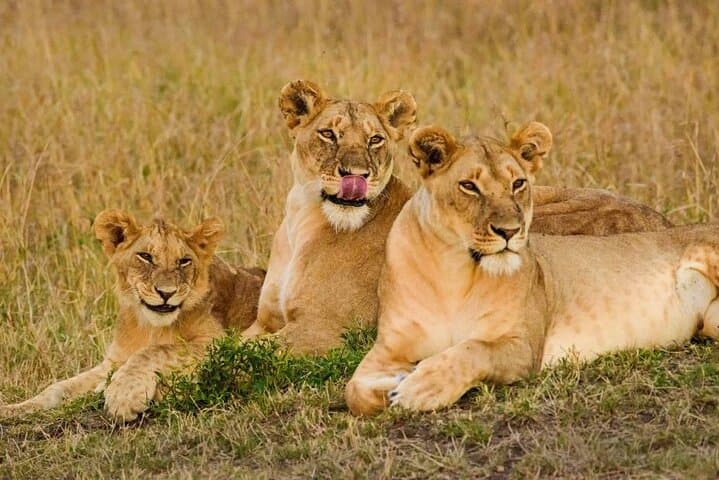
On a 3-day shared safari you’ll drive 5–6 hours from Nairobi, overnight in a tented or basic lodge camp, and run early morning and late-afternoon game drives. Expect long dirt roads, close-up sightings of elephants and buffalo, and regular chances to see lions, cheetahs and grazing herds. Guides read tracks as easily as maps; carry binoculars and patience.
Practical notes: travel time is significant—plan a relaxed first and last day. Mornings are cold; afternoons hot. Bring layered clothing, sun protection, and at least 2 liters of water per person per day. Respect local customs if visiting a Maasai village and follow your guide’s directions around wildlife—the animals decide the pace out here. With simple preparation, three days in the Mara delivers concentrated, unforgettable wildlife viewing and a clear sense of East Africa’s living landscape.
easy.
3 days.
Suitable for travelers in general good health; involves long vehicle hours but minimal strenuous activity.
The river crossings typically happen July–October; wildlife densities are highest in the dry season when animals concentrate around water.
Expect about 5–6 hours by road depending on traffic and stops, with a scenic pass through the Great Rift Valley.
The tour notes indicate it’s accessible for a range of fitness levels; check vehicle boarding assistance and lodge accessibility when booking.
Meals listed include breakfasts, lunches and dinners as specified; clarify park entrance fees and optional Maasai village visits with the operator before booking.
The Maasai people have grazed and stewarded these grasslands for centuries; many conservancies now partner with communities to manage land and tourism.
Community conservancies and anti-poaching patrols are active; travel choices that support local camps and guides help fund conservation and livelihoods.
Kairi Tours and Safaris operates guided outdoor trips and adventures with an emphasis on safety, stewardship, and memorable experiences.
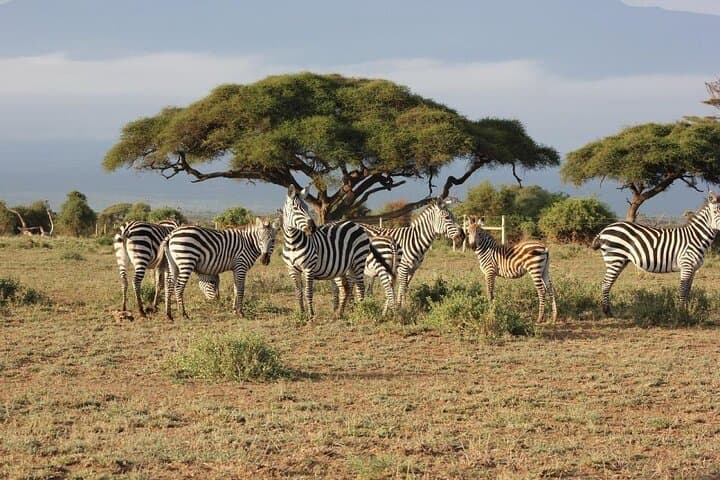
The sun lifts itself over wide, golden grass—first light slices the savannah and the Mara stirs. You feel the vehicle’s dust settle as a lone zebra flicks an ear; somewhere a lion’s low call answers the morning. This is the Masai Mara: open plains that push you forward and rivers that dare you to watch closely.
The sun lifts itself over wide, golden grass—first light slices the savannah and the Mara stirs. You feel the vehicle’s dust settle as a lone zebra flicks an ear; somewhere a lion’s low call answers the morning. This is the Masai Mara: open plains that push you forward and rivers that dare you to watch closely.
Geology here is blunt and ancient—the Mara flows along valleys carved by the Rift, and the escarpments frame weathered red soil and acacia-dusted horizons. Human history is equally present: Maa-speaking pastoralists have moved these grasslands for generations, and their seasonal rhythms still sync with wildlife patterns. The Great Migration funnels through the Mara River between July and October, when thousands of wildebeest test the current and predators wait like weather.
On a 3-day shared safari you’ll drive 5–6 hours from Nairobi, overnight in a tented or basic lodge camp, and run early morning and late-afternoon game drives. Expect long dirt roads, close-up sightings of elephants and buffalo, and regular chances to see lions, cheetahs and grazing herds. Guides read tracks as easily as maps; carry binoculars and patience.
Practical notes: travel time is significant—plan a relaxed first and last day. Mornings are cold; afternoons hot. Bring layered clothing, sun protection, and at least 2 liters of water per person per day. Respect local customs if visiting a Maasai village and follow your guide’s directions around wildlife—the animals decide the pace out here. With simple preparation, three days in the Mara delivers concentrated, unforgettable wildlife viewing and a clear sense of East Africa’s living landscape.