THE ADVENTURE COLLECTIVE® · Independent discovery and booking for outdoor travel

Naif Souk in Deira is Dubai’s working-market for abayas, scarves and textiles—an energetic, no-frills shopping walk where bargaining and local eateries meet practical everyday dress. This guide explains what to expect, when to go, and how to shop like a local.
Naif Souk in Deira is Dubai’s working-market for abayas, scarves and textiles—an energetic, no-frills shopping walk where bargaining and local eateries meet practical everyday dress. This guide explains what to expect, when to go, and how to shop like a local.
You step off a shaded curb into a corridor of small shops where fabric and folded garments crowd the doorway, and the city’s heat is pushed back by narrow alleys and the hum of bargaining. Naif Souk in Deira feels immediate: shopkeepers call out prices, scarves rustle in the breeze, and rows of abayas—black, embroidered, embroidered with gold—sway like flags above the foot traffic.
Verified experiences and guided adventures in the surrounding area.
Operated by Happy Land Tourism · Dubai, Dubai
You step off a shaded curb into a corridor of small shops where fabric and folded garments crowd the doorway, and the city’s heat is pushed back by narrow alleys and the hum of bargaining. Naif Souk in Deira feels immediate: shopkeepers call out prices, scarves rustle in the breeze, and rows of abayas—black, embroidered, embroidered with gold—sway like flags above the foot traffic.
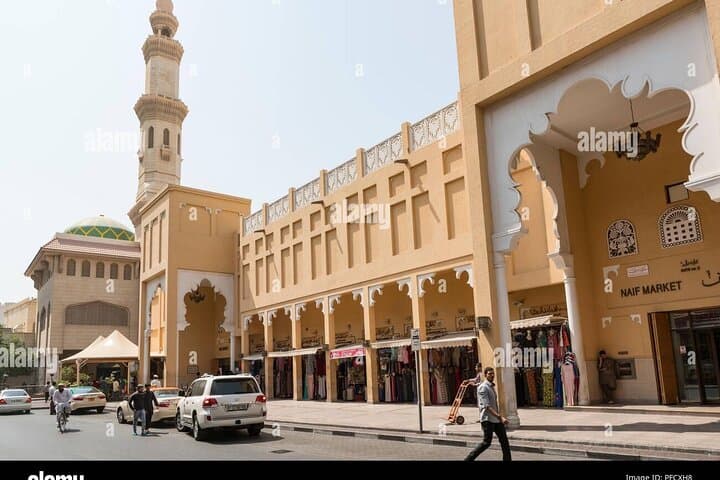
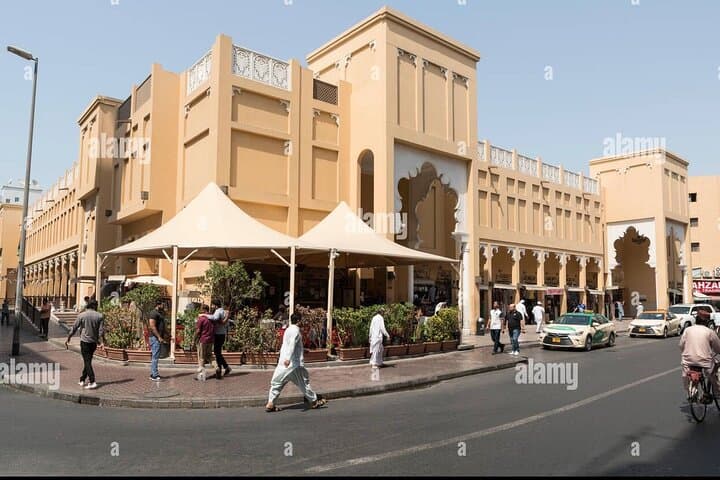
The market is in one of Dubai’s oldest commercial districts. Deira grew as a trading port in the 19th and 20th centuries; Naif evolved as a center for practical garments and everyday goods rather than luxury boutiques. The souk’s streets follow urban patterns carved by trade—tight lanes, dense storefronts and a focus on function over form.
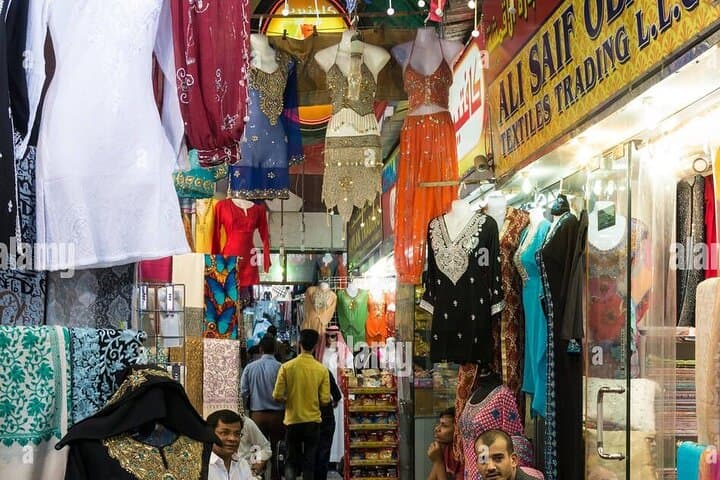
Culturally the market offers a direct look at local dress and modest fashion; abayas here vary from simple, budget-friendly styles to more ornate pieces. Expect textiles, scarves, costume jewelry and small eateries serving Emirati and South Asian flavors.
Practically: this is a walking, crowd-forward experience. Wear comfortable shoes and allow 3–5 hours if you plan to browse and eat. Bring cash for small stalls but most vendors accept cards; always compare prices and negotiate politely. Midday in summer can be stifling—plan for morning or evening visits to avoid heat. Keep valuables secure and consider a guided stop if you want interpretation of styles and fabrics.
Naif Souk is less about sightseeing and more about participation: smell the spices, test the fabric, and let the rhythm of Deira push you through a market that still functions as a neighborhood hub.
easy.
4–5 hours.
Light walking and standing; suitable for most fitness levels
No—visitors do not need to wear an abaya, but modest dress (covered shoulders and knees) is recommended out of cultural respect.
Bargaining is common at independent stalls; fixed-price shops may be less flexible—compare prices across several vendors.
Many shops open mid-morning, stay open through evening and may close for a short time in the afternoon; the souk gets busiest after sunset and during weekend evenings.
Deira is a busy commercial neighborhood and generally safe during daytime with normal precautions—keep belongings secure and avoid poorly lit side alleys at night.
Deira developed as Dubai’s trading hub in the late 19th and 20th centuries; Naif Souk has long served as a practical market for garments and everyday goods.
Markets produce textile and plastic waste; carry a reusable bag, choose durable garments, and support vendors that mend and alter rather than sell throwaway pieces.
Happy Land Tourism operates guided outdoor trips and adventures with an emphasis on safety, stewardship, and memorable experiences.
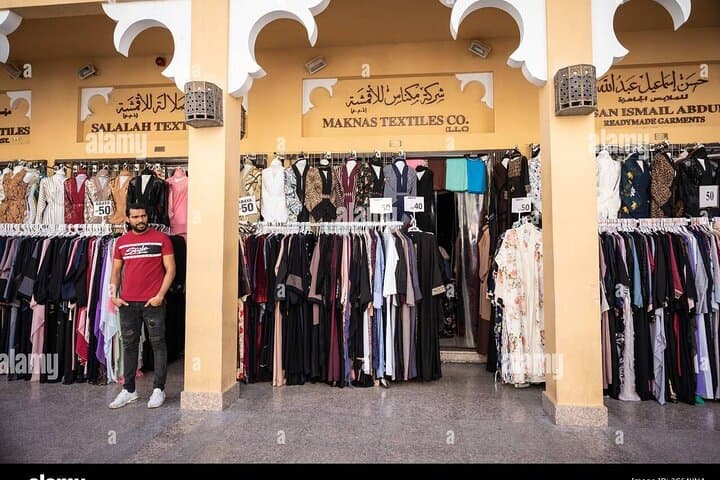
You step off a shaded curb into a corridor of small shops where fabric and folded garments crowd the doorway, and the city’s heat is pushed back by narrow alleys and the hum of bargaining. Naif Souk in Deira feels immediate: shopkeepers call out prices, scarves rustle in the breeze, and rows of abayas—black, embroidered, embroidered with gold—sway like flags above the foot traffic.
You step off a shaded curb into a corridor of small shops where fabric and folded garments crowd the doorway, and the city’s heat is pushed back by narrow alleys and the hum of bargaining. Naif Souk in Deira feels immediate: shopkeepers call out prices, scarves rustle in the breeze, and rows of abayas—black, embroidered, embroidered with gold—sway like flags above the foot traffic.
The market is in one of Dubai’s oldest commercial districts. Deira grew as a trading port in the 19th and 20th centuries; Naif evolved as a center for practical garments and everyday goods rather than luxury boutiques. The souk’s streets follow urban patterns carved by trade—tight lanes, dense storefronts and a focus on function over form.
Culturally the market offers a direct look at local dress and modest fashion; abayas here vary from simple, budget-friendly styles to more ornate pieces. Expect textiles, scarves, costume jewelry and small eateries serving Emirati and South Asian flavors.
Practically: this is a walking, crowd-forward experience. Wear comfortable shoes and allow 3–5 hours if you plan to browse and eat. Bring cash for small stalls but most vendors accept cards; always compare prices and negotiate politely. Midday in summer can be stifling—plan for morning or evening visits to avoid heat. Keep valuables secure and consider a guided stop if you want interpretation of styles and fabrics.
Naif Souk is less about sightseeing and more about participation: smell the spices, test the fabric, and let the rhythm of Deira push you through a market that still functions as a neighborhood hub.