THE ADVENTURE COLLECTIVE® · Independent discovery and booking for outdoor travel

Two hours inside Naha Airport introduce travelers to Okinawa’s flavors through guided visits to two local restaurants, each including ¥1,500 of food and drink. Ideal for layovers or arrivals, the tour combines culinary context with convenient logistics.
Two hours inside Naha Airport introduce travelers to Okinawa’s flavors through guided visits to two local restaurants, each including ¥1,500 of food and drink. Ideal for layovers or arrivals, the tour combines culinary context with convenient logistics.
The guide waits by the airport information desk, a bright yellow sign in hand, and the hum of travelers becomes the backdrop to a compact culinary introduction to Okinawa. Within two hours the tour threads through Naha Airport’s terminals, stopping at two local restaurants where bowls of Okinawa soba, slow-braised rafute, and tropical sweets arrive in succession—each plate a concise lesson in the island’s flavors.
Verified experiences and guided adventures in the surrounding area.
Operated by DeepExperience · Naha, Okinawa
The guide waits by the airport information desk, a bright yellow sign in hand, and the hum of travelers becomes the backdrop to a compact culinary introduction to Okinawa. Within two hours the tour threads through Naha Airport’s terminals, stopping at two local restaurants where bowls of Okinawa soba, slow-braised rafute, and tropical sweets arrive in succession—each plate a concise lesson in the island’s flavors.
Okinawan cuisine reflects centuries of trade and island life: influences from China, Japan, and Southeast Asia mingle with Ryukyuan staples such as pork, bitter melon, and sweet potato. Geologically, the island’s coral foundation influences local produce—salty air and limestone soils favor certain vegetables and seafood that appear on airport menus. Culturally, food here is social and practical; dishes were developed to sustain seafaring and farming communities and now welcome visitors as a living greeting.
Practical guidance follows the introduction. The tour is wheelchair accessible and gentle on the feet—expect light walking inside climate-controlled terminals. Meals are prepaid up to ¥1,500 each stop; guests who want more can pay the difference. Timing matters: allow two hours and arrive with your boarding pass and passport handy. For dietary restrictions, notify the tour at booking so guides can advise on menu swaps.
This experience is best for travelers with short layovers or anyone wanting a concise, hassle-free primer on Okinawan food before they hit the islands (or depart them). Bring curiosity, a light appetite, and an IC card or cash for extras.
easy.
2 hours.
Minimal fitness required; mostly standing and brief indoor walking suitable for most travelers
The tour lasts about two hours; check the provider’s schedule and book a time that leaves ample buffer before your flight.
Each restaurant stop includes up to ¥1,500 worth of food and drink per person—items exceeding that amount can be paid for on-site.
Yes—Naha Airport and the tour route are wheelchair accessible; note mobility needs when booking so accommodations can be arranged.
Yes—the tour is designed for both arriving and departing travelers; plan timing to account for immigration, security, and boarding.
Naha has been Okinawa’s maritime gateway for centuries; its cuisine blends Ryukyuan, Japanese, and Chinese influences born of trade and island agriculture.
Support local producers by choosing dishes made with Okinawan ingredients and minimize single-use plastics; airport vendors increasingly offer regional sourcing and waste-reduction options.
DeepExperience operates guided outdoor trips and adventures with an emphasis on safety, stewardship, and memorable experiences.
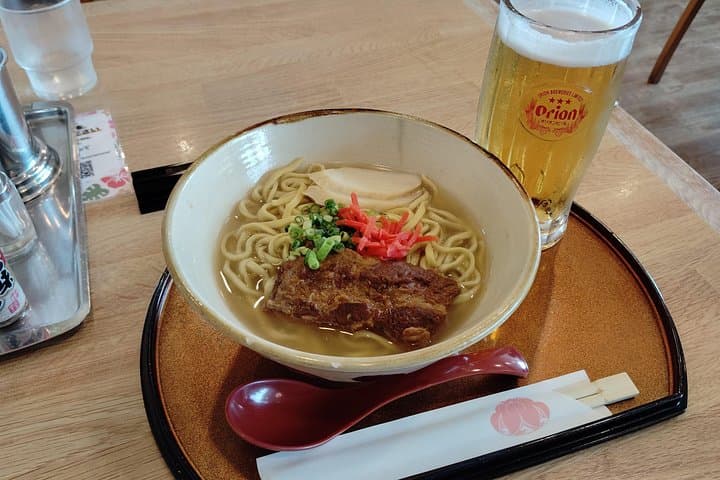
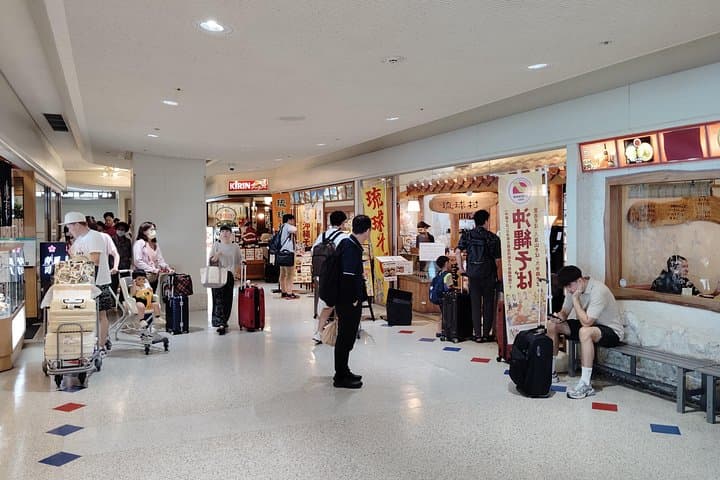
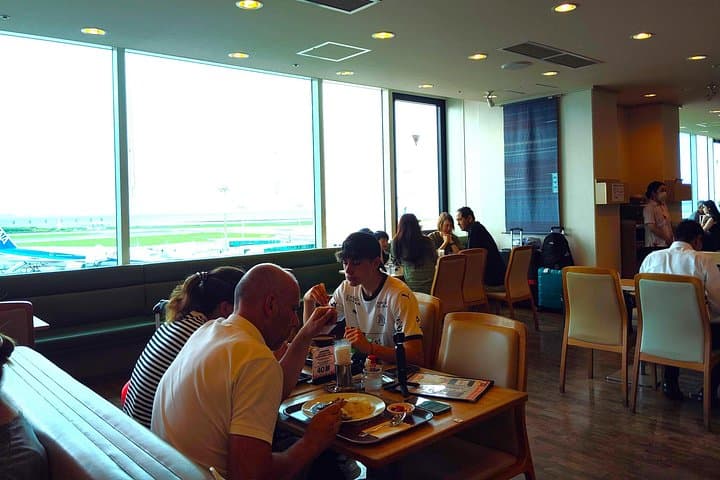
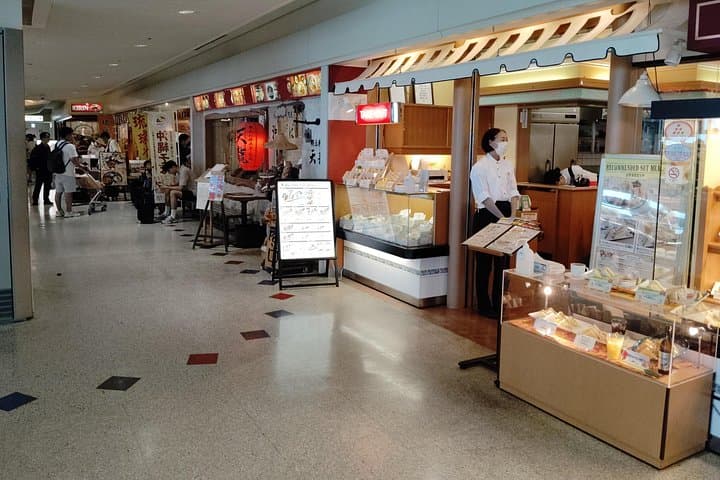
The guide waits by the airport information desk, a bright yellow sign in hand, and the hum of travelers becomes the backdrop to a compact culinary introduction to Okinawa. Within two hours the tour threads through Naha Airport’s terminals, stopping at two local restaurants where bowls of Okinawa soba, slow-braised rafute, and tropical sweets arrive in succession—each plate a concise lesson in the island’s flavors.
The guide waits by the airport information desk, a bright yellow sign in hand, and the hum of travelers becomes the backdrop to a compact culinary introduction to Okinawa. Within two hours the tour threads through Naha Airport’s terminals, stopping at two local restaurants where bowls of Okinawa soba, slow-braised rafute, and tropical sweets arrive in succession—each plate a concise lesson in the island’s flavors.
Okinawan cuisine reflects centuries of trade and island life: influences from China, Japan, and Southeast Asia mingle with Ryukyuan staples such as pork, bitter melon, and sweet potato. Geologically, the island’s coral foundation influences local produce—salty air and limestone soils favor certain vegetables and seafood that appear on airport menus. Culturally, food here is social and practical; dishes were developed to sustain seafaring and farming communities and now welcome visitors as a living greeting.
Practical guidance follows the introduction. The tour is wheelchair accessible and gentle on the feet—expect light walking inside climate-controlled terminals. Meals are prepaid up to ¥1,500 each stop; guests who want more can pay the difference. Timing matters: allow two hours and arrive with your boarding pass and passport handy. For dietary restrictions, notify the tour at booking so guides can advise on menu swaps.
This experience is best for travelers with short layovers or anyone wanting a concise, hassle-free primer on Okinawan food before they hit the islands (or depart them). Bring curiosity, a light appetite, and an IC card or cash for extras.