THE ADVENTURE COLLECTIVE® · Independent discovery and booking for outdoor travel

Spend six efficient hours exploring Nagoya with a local guide who moves you from shrine calm to castle grandeur and into lively market streets. This private tour balances major highlights with offbeat local spots and practical logistics for cruise and land visitors.
Spend six efficient hours exploring Nagoya with a local guide who moves you from shrine calm to castle grandeur and into lively market streets. This private tour balances major highlights with offbeat local spots and practical logistics for cruise and land visitors.
You step off the train into a city that moves with precision: neon signs blink, the tram hums, and the low, steady breath of the Kiso River dares you to look past the skyline. A local guide meets you, maps in hand, and the day unfurls from a quiet Shinto grove to the tiled roofs of a reconstructed samurai castle.
Verified experiences and guided adventures in the surrounding area.
Operated by NihonCrafties · Nagoya, Aichi Prefecture
You step off the train into a city that moves with precision: neon signs blink, the tram hums, and the low, steady breath of the Kiso River dares you to look past the skyline. A local guide meets you, maps in hand, and the day unfurls from a quiet Shinto grove to the tiled roofs of a reconstructed samurai castle.
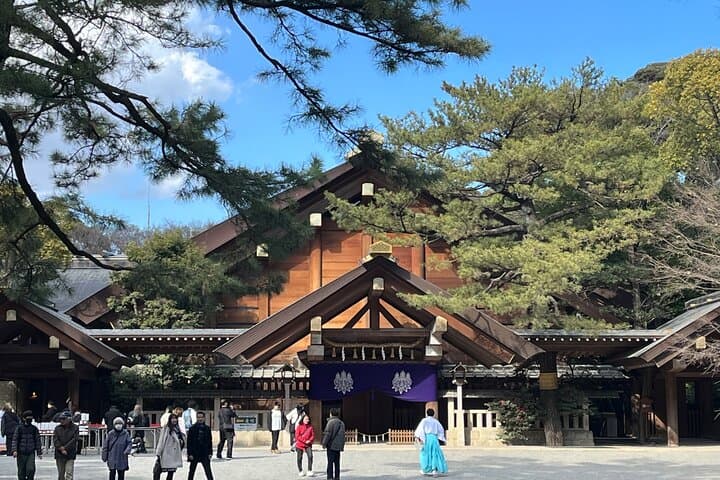
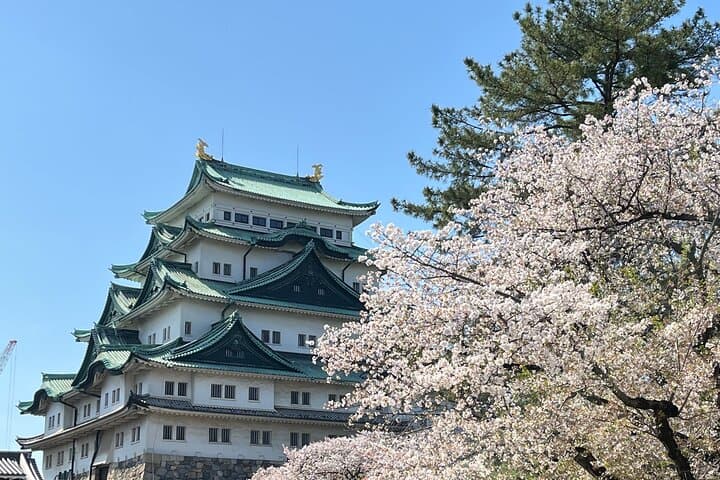
Nagoya’s story is compact but deep: a crossroads of samurai power during the Tokugawa era and a modern manufacturing hub. Stone walls around Nagoya Castle tell of 17th-century ambitions, while Atsuta Shrine guards imperial legend—the Kusanagi sword links the place to Japan’s oldest myths. The basin plain geology created the river channels that shaped trade routes; those rivers now edge parks where koi and egrets carve calm among city sound.
Culture here is practical and tactile—temple rituals, precision crafts, and lunchtime bowls of miso-dressed hitsumabushi. Your guide threads these threads together, pointing out architectural details, local markets, and the quiet etiquette of shrine visits.
Practicalities: expect about six hours of mostly flat walking with public-transport hops. Wear comfortable shoes, bring small bills and an IC card for trains, and plan for light rain some months. Guides can tailor pace and interests, from samurai interiors to offbeat neighborhoods. For cruise passengers, timeliness is built into the itinerary: you’ll return to port on schedule, with a day’s worth of context and a few hidden corners to explore further.
moderate.
6 hours.
Light to moderate—comfortable walking ability for flat urban routes with occasional stairs
Yes—hotel pickup and drop-off are included within Nagoya; confirm specific pickup point when booking.
An English-speaking local guide is provided; other languages may be available by request but should be confirmed in advance.
Yes—the tour accommodates cruise schedules and guarantees return to port on time; provide arrival/departure details when booking.
Full refund if cancelled at least 24 hours before departure; cancellations within 24 hours are non-refundable.
Nagoya rose as a Tokugawa-era stronghold—Nagoya Castle, rebuilt after WWII, anchors the city’s samurai heritage; Atsuta Shrine preserves artifacts tied to imperial legend.
Urban green spaces and historic sites are actively managed; visitors are asked to stay on paths, avoid single-use plastics, and respect cultural properties.
NihonCrafties operates guided outdoor trips and adventures with an emphasis on safety, stewardship, and memorable experiences.
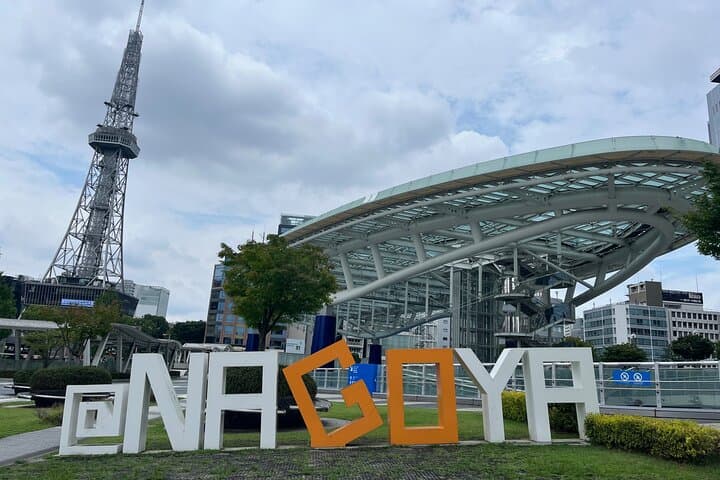
You step off the train into a city that moves with precision: neon signs blink, the tram hums, and the low, steady breath of the Kiso River dares you to look past the skyline. A local guide meets you, maps in hand, and the day unfurls from a quiet Shinto grove to the tiled roofs of a reconstructed samurai castle.
You step off the train into a city that moves with precision: neon signs blink, the tram hums, and the low, steady breath of the Kiso River dares you to look past the skyline. A local guide meets you, maps in hand, and the day unfurls from a quiet Shinto grove to the tiled roofs of a reconstructed samurai castle.
Nagoya’s story is compact but deep: a crossroads of samurai power during the Tokugawa era and a modern manufacturing hub. Stone walls around Nagoya Castle tell of 17th-century ambitions, while Atsuta Shrine guards imperial legend—the Kusanagi sword links the place to Japan’s oldest myths. The basin plain geology created the river channels that shaped trade routes; those rivers now edge parks where koi and egrets carve calm among city sound.
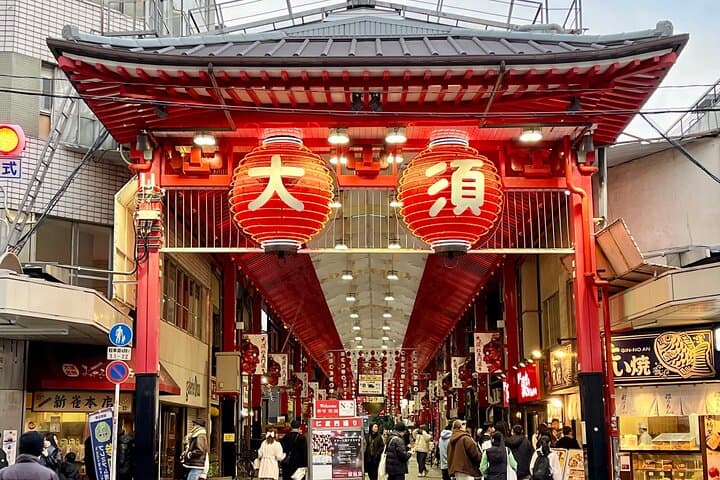
Culture here is practical and tactile—temple rituals, precision crafts, and lunchtime bowls of miso-dressed hitsumabushi. Your guide threads these threads together, pointing out architectural details, local markets, and the quiet etiquette of shrine visits.
Practicalities: expect about six hours of mostly flat walking with public-transport hops. Wear comfortable shoes, bring small bills and an IC card for trains, and plan for light rain some months. Guides can tailor pace and interests, from samurai interiors to offbeat neighborhoods. For cruise passengers, timeliness is built into the itinerary: you’ll return to port on schedule, with a day’s worth of context and a few hidden corners to explore further.