THE ADVENTURE COLLECTIVE® · Independent discovery and booking for outdoor travel

Customize a four-hour sweep of Nagoya with an English-speaking guide who builds a private itinerary around your interests. Choose 2–3 sites—from Nagoya Castle to Atsuta Shrine—and let the guide handle reservations and city logistics.
Customize a four-hour sweep of Nagoya with an English-speaking guide who builds a private itinerary around your interests. Choose 2–3 sites—from Nagoya Castle to Atsuta Shrine—and let the guide handle reservations and city logistics.
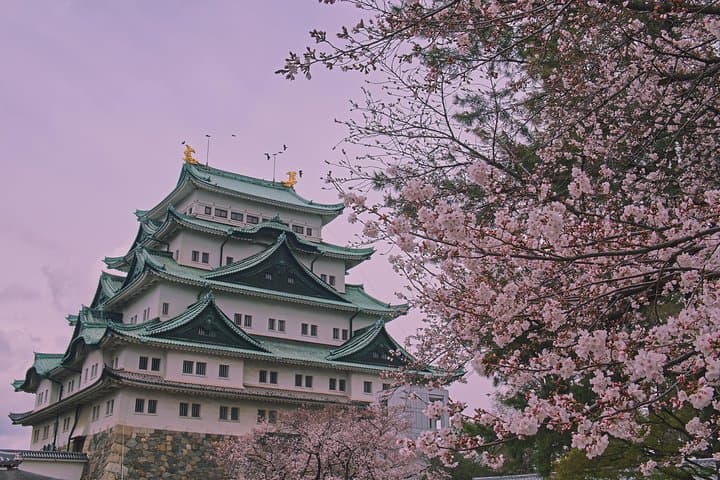
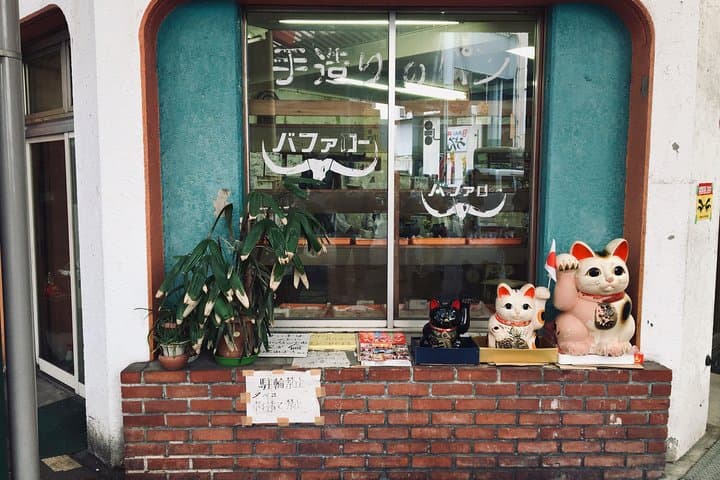
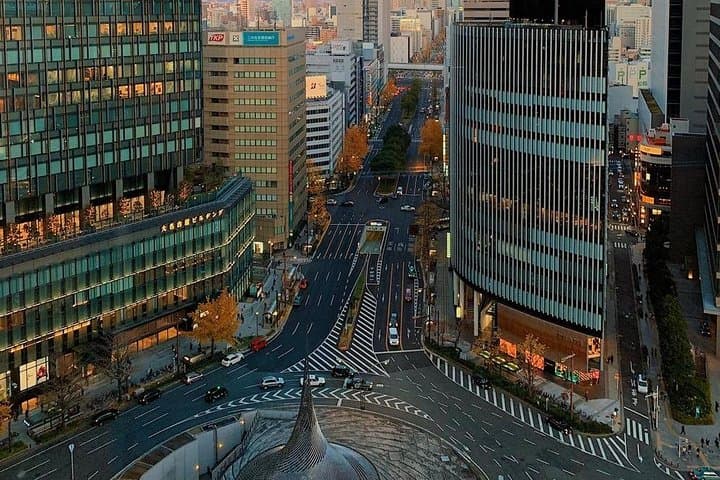
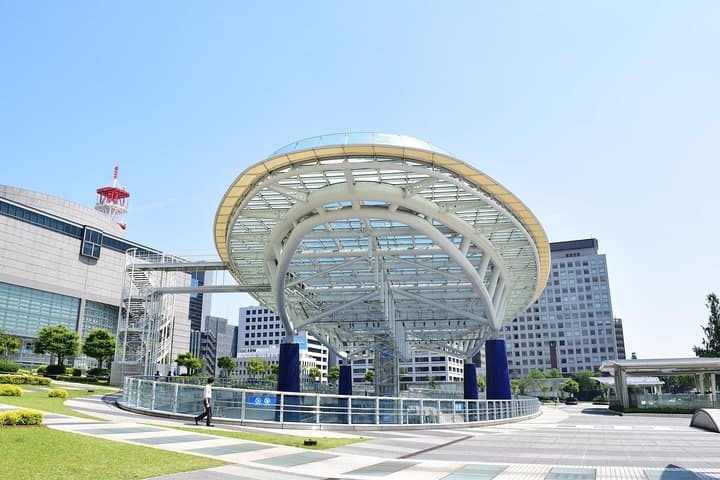
You step out of a quiet side street and the city opens: the green moat around Nagoya Castle, the bronze shachihoko on its roof catching light, and the steady hum of trams threading neighborhoods. In four hours an English-speaking guide folds the city map to your interests, steering you through castle grounds, shrine courtyards, museum plazas, or a market alley where steam rises from ramen shops.
Verified experiences and guided adventures in the surrounding area.
Operated by Japan Awaits · Nagoya, Aichi Prefecture
You step out of a quiet side street and the city opens: the green moat around Nagoya Castle, the bronze shachihoko on its roof catching light, and the steady hum of trams threading neighborhoods. In four hours an English-speaking guide folds the city map to your interests, steering you through castle grounds, shrine courtyards, museum plazas, or a market alley where steam rises from ramen shops.
Nagoya’s story is visible in stone and steel. Once the Tokugawa clan’s regional seat, the castle anchors an Edo-era urban grid; nearby Atsuta Shrine keeps a sacred lineage that predates modern prefectures. The city’s position on Ise Bay shaped its trade-first culture — you’ll notice maritime echoes at the Port’s Garden Pier and industrial artifacts repurposed into parks and museums. Korankei valley to the east offers a quick reminder that the region’s geology favors forested valleys and river-cut gorges, which host seasonal color shifts locals prize.
This tour is practical: pick 2–3 sites, request reservations, and accept hotel pickup inside the central area. Expect a mix of short walks, staircases at shrines and castle turrets, and urban transit between points. Complete the post-booking custom form at least seven days before travel so reservations can be secured. Bring comfortable shoes, an IC transit card or small cash for stalls, and a charged phone for mobile tickets. Note the operator’s strict cancellation terms and the 30-minute guide wait window; plan to arrive 10 minutes early. The result is a concentrated, adaptable city sweep that leaves room for curiosity and a few deliberate detours.
moderate.
4 hours.
Be comfortable walking 2–4 miles total with occasional stairs and brief standing periods; moderate fitness recommended.
Book as early as possible—ideally 1–3 months ahead—especially if you need restaurant or venue reservations; last-minute requests within 7 days may not be fulfillable.
Yes; after booking you’ll receive a custom tour form to select or exclude attractions—guides typically plan 2–3 stops for a four-hour private tour.
The tour is listed as wheelchair accessible, but some historic sites (castle towers, older shrines) may have limited access—notify the operator in the booking form for specific routing.
The operator enforces a strict policy—cancellation fees apply based on timing and in many cases bookings are non-refundable; check the confirmation for exact terms.
Nagoya grew around Nagoya Castle, built in the early 17th century under the Tokugawa shogunate, and developed as a transport and manufacturing hub linked to Ise Bay.
Respect shrine etiquette and stay on designated paths; reducing single-use plastics and following guide directions helps manage heavy visitation at popular sites.
Japan Awaits operates guided outdoor trips and adventures with an emphasis on safety, stewardship, and memorable experiences.
You step out of a quiet side street and the city opens: the green moat around Nagoya Castle, the bronze shachihoko on its roof catching light, and the steady hum of trams threading neighborhoods. In four hours an English-speaking guide folds the city map to your interests, steering you through castle grounds, shrine courtyards, museum plazas, or a market alley where steam rises from ramen shops.
You step out of a quiet side street and the city opens: the green moat around Nagoya Castle, the bronze shachihoko on its roof catching light, and the steady hum of trams threading neighborhoods. In four hours an English-speaking guide folds the city map to your interests, steering you through castle grounds, shrine courtyards, museum plazas, or a market alley where steam rises from ramen shops.
Nagoya’s story is visible in stone and steel. Once the Tokugawa clan’s regional seat, the castle anchors an Edo-era urban grid; nearby Atsuta Shrine keeps a sacred lineage that predates modern prefectures. The city’s position on Ise Bay shaped its trade-first culture — you’ll notice maritime echoes at the Port’s Garden Pier and industrial artifacts repurposed into parks and museums. Korankei valley to the east offers a quick reminder that the region’s geology favors forested valleys and river-cut gorges, which host seasonal color shifts locals prize.
This tour is practical: pick 2–3 sites, request reservations, and accept hotel pickup inside the central area. Expect a mix of short walks, staircases at shrines and castle turrets, and urban transit between points. Complete the post-booking custom form at least seven days before travel so reservations can be secured. Bring comfortable shoes, an IC transit card or small cash for stalls, and a charged phone for mobile tickets. Note the operator’s strict cancellation terms and the 30-minute guide wait window; plan to arrive 10 minutes early. The result is a concentrated, adaptable city sweep that leaves room for curiosity and a few deliberate detours.