THE ADVENTURE COLLECTIVE® · Independent discovery and booking for outdoor travel

Spend 3–4 hours seeing Nagoya through a local’s eyes—Atsuta Shrine, Osu’s backstreets, and tucked-away eateries tailored to your interests. This private walking tour is fully customized after a short questionnaire so every route reflects what you want to discover.
Spend 3–4 hours seeing Nagoya through a local’s eyes—Atsuta Shrine, Osu’s backstreets, and tucked-away eateries tailored to your interests. This private walking tour is fully customized after a short questionnaire so every route reflects what you want to discover.
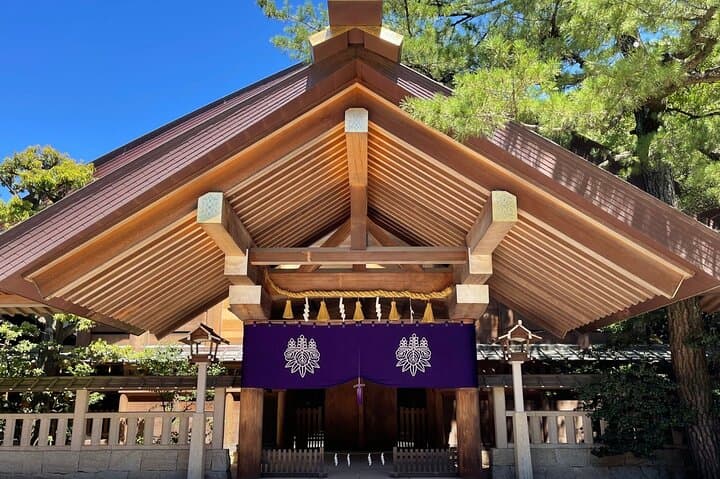
You step out of a compact station and into a city that moves at an easy, confident pace—bicycles clip by, the smell of grilled miso katsu rises from a storefront, and a line of torii gates offers a cool, dim welcome. On a private half-day with a local host, Nagoya folds open like a map of tastes and small histories: a shaded approach to Atsuta Shrine, a hidden alley café in Osu, and an old merchant row that feels like a quiet page of Edo-era commerce.
Verified experiences and guided adventures in the surrounding area.
Operated by City Unscripted · Nagoya, Aichi Prefecture
You step out of a compact station and into a city that moves at an easy, confident pace—bicycles clip by, the smell of grilled miso katsu rises from a storefront, and a line of torii gates offers a cool, dim welcome. On a private half-day with a local host, Nagoya folds open like a map of tastes and small histories: a shaded approach to Atsuta Shrine, a hidden alley café in Osu, and an old merchant row that feels like a quiet page of Edo-era commerce.
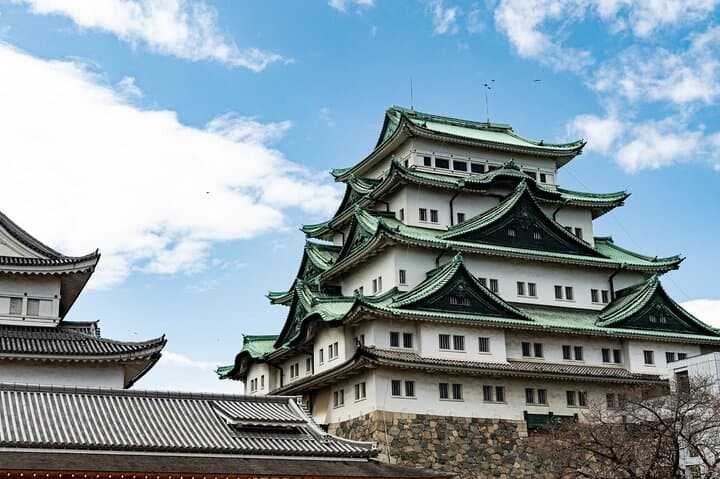
Atsuta Shrine traces back more than two millennia and is said to house the legendary sword Kusanagi; Nagoya itself grew as a castle town in the Tokugawa era and later became an industrial hub. The city’s geology—low plains bordered by the Kiso and Shonai river systems—made it a natural transport and trade center, shaping neighborhoods that mix wooden storehouses with mid-century modern storefronts.
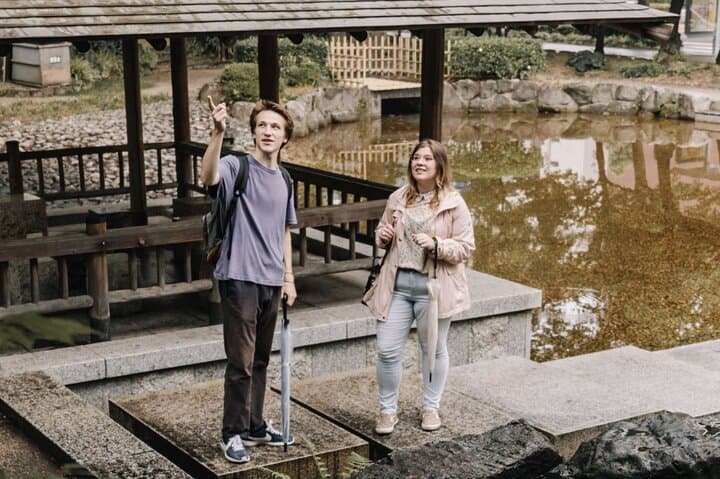
Your host tailors the route: food stalls, vintage shops, quiet shrines, or contemporary design spots. This is a walking experience—expect 3–4 hours of on-foot exploration with occasional short transfers by subway or taxi.
Practical guidance: wear broken-in walking shoes, carry a small umbrella in summer, and bring an IC transit card (TOICA/Suica/PASMO) or small bills for street food. The tour is accessible to most fitness levels and can accommodate strollers or wheelchairs where paths allow; confirm specifics with your host during the booking questionnaire. Move deliberately, ask questions, and let local rhythms—markets opening, lunch lines forming—shape your half-day in Nagoya.
easy.
3–4 hours.
Suitable for most fitness levels; involves continuous walking with short standing stops
The tour is listed as wheelchair- and stroller-accessible, but some shrines or narrow alleys may have uneven paths—discuss specific accessibility needs with your host when booking.
Yes—this private experience is designed to be flexible; your host will adapt the route based on your interests and local conditions.
The tour price covers the host’s time; public transit fares, taxis, meals, and admission fees (if any) are paid separately—confirm expected transfers with your host after booking.
Tipping is not customary in Japan; expressing thanks and providing positive reviews are appreciated ways to show gratitude.
Nagoya grew as a Tokugawa-era castle town and later became a major industrial and transport center; Atsuta Shrine is one of Japan’s oldest Shinto sites, associated with the Kusanagi sword.
Respect for shrines and neighborhoods is important—pack out any trash, use reusable containers where possible, and support small local businesses to keep the area vibrant.
City Unscripted operates guided outdoor trips and adventures with an emphasis on safety, stewardship, and memorable experiences.

You step out of a compact station and into a city that moves at an easy, confident pace—bicycles clip by, the smell of grilled miso katsu rises from a storefront, and a line of torii gates offers a cool, dim welcome. On a private half-day with a local host, Nagoya folds open like a map of tastes and small histories: a shaded approach to Atsuta Shrine, a hidden alley café in Osu, and an old merchant row that feels like a quiet page of Edo-era commerce.
You step out of a compact station and into a city that moves at an easy, confident pace—bicycles clip by, the smell of grilled miso katsu rises from a storefront, and a line of torii gates offers a cool, dim welcome. On a private half-day with a local host, Nagoya folds open like a map of tastes and small histories: a shaded approach to Atsuta Shrine, a hidden alley café in Osu, and an old merchant row that feels like a quiet page of Edo-era commerce.
Atsuta Shrine traces back more than two millennia and is said to house the legendary sword Kusanagi; Nagoya itself grew as a castle town in the Tokugawa era and later became an industrial hub. The city’s geology—low plains bordered by the Kiso and Shonai river systems—made it a natural transport and trade center, shaping neighborhoods that mix wooden storehouses with mid-century modern storefronts.
Your host tailors the route: food stalls, vintage shops, quiet shrines, or contemporary design spots. This is a walking experience—expect 3–4 hours of on-foot exploration with occasional short transfers by subway or taxi.
Practical guidance: wear broken-in walking shoes, carry a small umbrella in summer, and bring an IC transit card (TOICA/Suica/PASMO) or small bills for street food. The tour is accessible to most fitness levels and can accommodate strollers or wheelchairs where paths allow; confirm specifics with your host during the booking questionnaire. Move deliberately, ask questions, and let local rhythms—markets opening, lunch lines forming—shape your half-day in Nagoya.