THE ADVENTURE COLLECTIVE® · Independent discovery and booking for outdoor travel

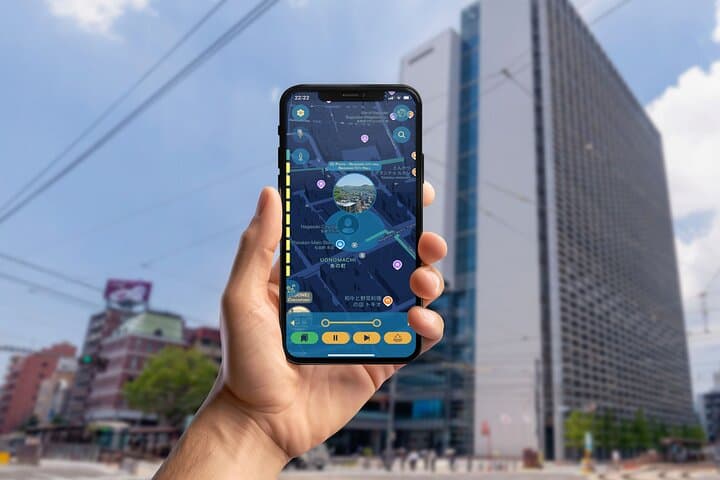
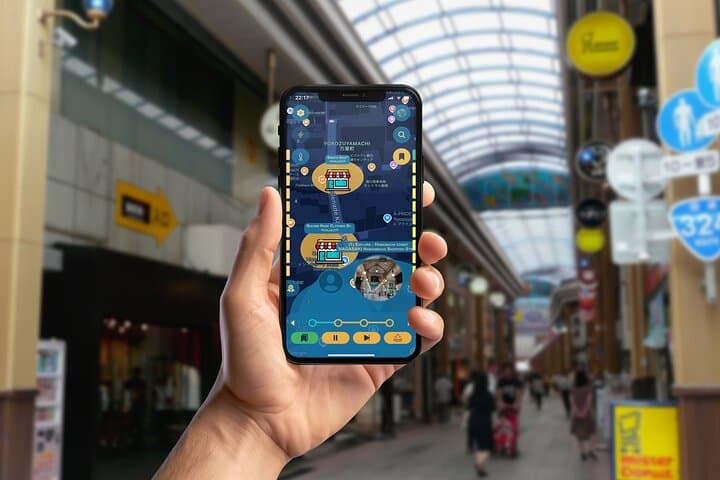
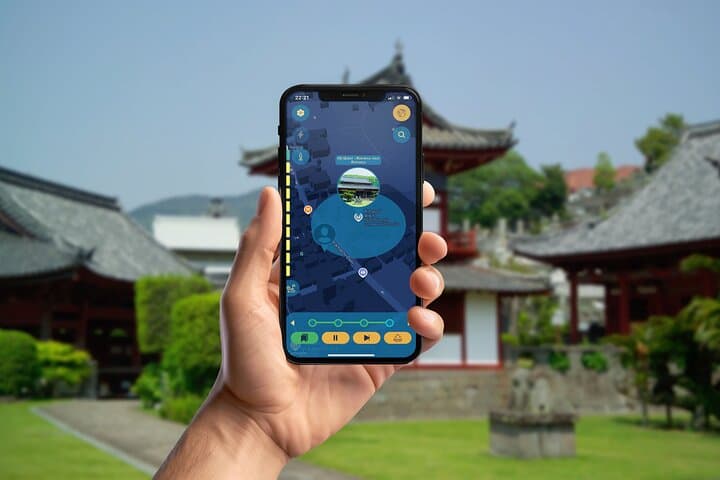
Explore Nagasaki at your own pace with a GPS-driven mobile game that turns the city into a self-guided walking tour. Solve puzzles, visit Dejima, Megane Bridge, and local shrines while learning the city’s layered history.
Explore Nagasaki at your own pace with a GPS-driven mobile game that turns the city into a self-guided walking tour. Solve puzzles, visit Dejima, Megane Bridge, and local shrines while learning the city’s layered history.
You step off the tram into a narrow street where paper lanterns sway and the harbor’s scent presses against the stone. The app pings, a digital guide nudging you toward Megane Bridge; sunlight slices the river and the bridge’s arches double like spectacles in the water. This is Nagasaki on foot: steep lanes, sudden viewpoints, and layers of history in every block.
Verified experiences and guided adventures in the surrounding area.
Operated by Leplace - interactive self-guided app tours · Nagasaki, Nagasaki
You step off the tram into a narrow street where paper lanterns sway and the harbor’s scent presses against the stone. The app pings, a digital guide nudging you toward Megane Bridge; sunlight slices the river and the bridge’s arches double like spectacles in the water. This is Nagasaki on foot: steep lanes, sudden viewpoints, and layers of history in every block.
From Dejima’s reclaimed docks—where Dutch merchants once exchanged goods—to the Buddhist halls of Kofukuji and the neon bustle of Hamamachi Arcade, the route threads cultural crossroads and wartime memory. Geologically, the city is a harbor carved into steep hills, so expect short, sharp climbs and terraces that open to sweeping bay views. The game’s puzzles point out architectural details, local legends about lucky cats, and how foreign trade shaped the city’s food and faith.
Practicalities are simple: the self-guided app lets you move at your own pace for about 1–2 hours; public transit hubs are nearby if you need to cut the loop short. Carry a charged phone and a small power bank, wear grippy shoes for cobblestones and steps, and time the walk for morning or late afternoon to avoid the heat and catch the best light.
This is an urban adventure that rewards curiosity—read the short histories in-app, pause at waterfront viewpoints, and respect temple etiquette. The experience blends sightseeing, light exercise, and a scavenger-hunt spirit—ideal for travelers who want autonomy and the texture of real streets beneath their feet.
easy.
1–2 hours.
Suitable for most fitness levels; requires comfortable walking ability and negotiating short steep sections.
No—installation instructions arrive with confirmation and the interface is designed for first-time users.
The route is designed for about 60–120 minutes depending on stops and puzzle time.
Parts of the route include steps and steep streets; it’s not fully wheelchair accessible.
Yes—the self-guided format allows you to start whenever you like during operating hours.
Nagasaki’s port history includes Dejima, the Dutch trading post that opened Japan to Western goods, and a long presence of Christian communities shaped by foreign contact and conflict.
Historic areas like Dejima are actively preserved; stay on designated paths, avoid touching artifacts, and dispose of waste responsibly to protect fragile sites.
Leplace - interactive self-guided app tours operates guided outdoor trips and adventures with an emphasis on safety, stewardship, and memorable experiences.
You step off the tram into a narrow street where paper lanterns sway and the harbor’s scent presses against the stone. The app pings, a digital guide nudging you toward Megane Bridge; sunlight slices the river and the bridge’s arches double like spectacles in the water. This is Nagasaki on foot: steep lanes, sudden viewpoints, and layers of history in every block.
You step off the tram into a narrow street where paper lanterns sway and the harbor’s scent presses against the stone. The app pings, a digital guide nudging you toward Megane Bridge; sunlight slices the river and the bridge’s arches double like spectacles in the water. This is Nagasaki on foot: steep lanes, sudden viewpoints, and layers of history in every block.
From Dejima’s reclaimed docks—where Dutch merchants once exchanged goods—to the Buddhist halls of Kofukuji and the neon bustle of Hamamachi Arcade, the route threads cultural crossroads and wartime memory. Geologically, the city is a harbor carved into steep hills, so expect short, sharp climbs and terraces that open to sweeping bay views. The game’s puzzles point out architectural details, local legends about lucky cats, and how foreign trade shaped the city’s food and faith.
Practicalities are simple: the self-guided app lets you move at your own pace for about 1–2 hours; public transit hubs are nearby if you need to cut the loop short. Carry a charged phone and a small power bank, wear grippy shoes for cobblestones and steps, and time the walk for morning or late afternoon to avoid the heat and catch the best light.
This is an urban adventure that rewards curiosity—read the short histories in-app, pause at waterfront viewpoints, and respect temple etiquette. The experience blends sightseeing, light exercise, and a scavenger-hunt spirit—ideal for travelers who want autonomy and the texture of real streets beneath their feet.