THE ADVENTURE COLLECTIVE® · Independent discovery and booking for outdoor travel

Catch first light on the Himalayas with a private early‑morning drive from Kathmandu to Nagarkot. Expect razor‑sharp views on clear mornings, a peaceful hilltop atmosphere, and a short, scenic round trip perfect for photographers and first-time visitors.
Catch first light on the Himalayas with a private early‑morning drive from Kathmandu to Nagarkot. Expect razor‑sharp views on clear mornings, a peaceful hilltop atmosphere, and a short, scenic round trip perfect for photographers and first-time visitors.
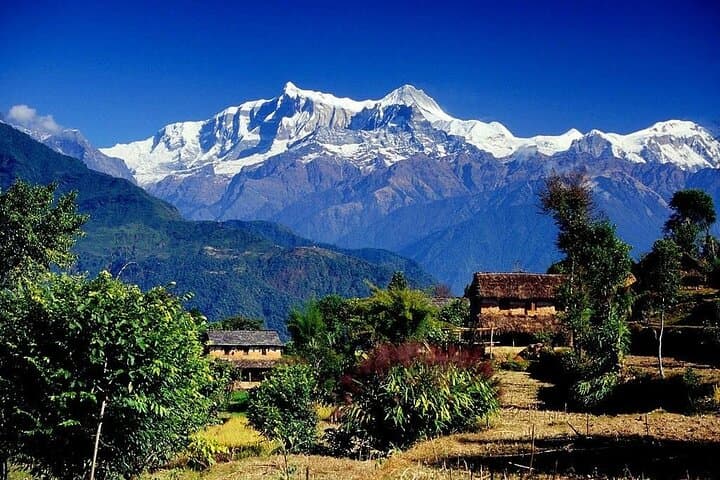
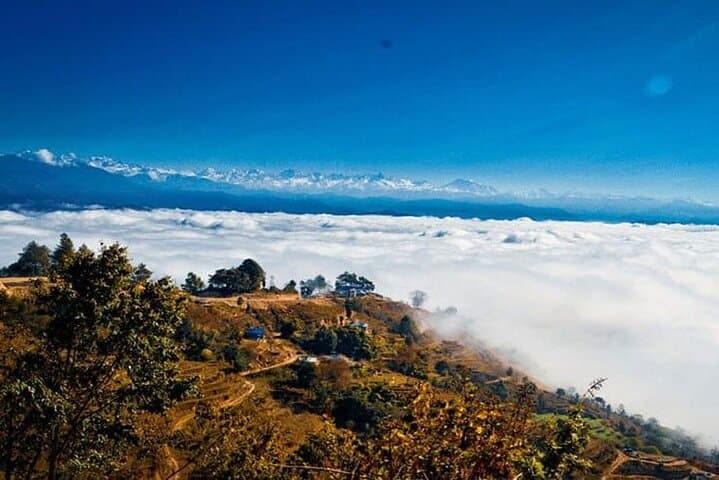
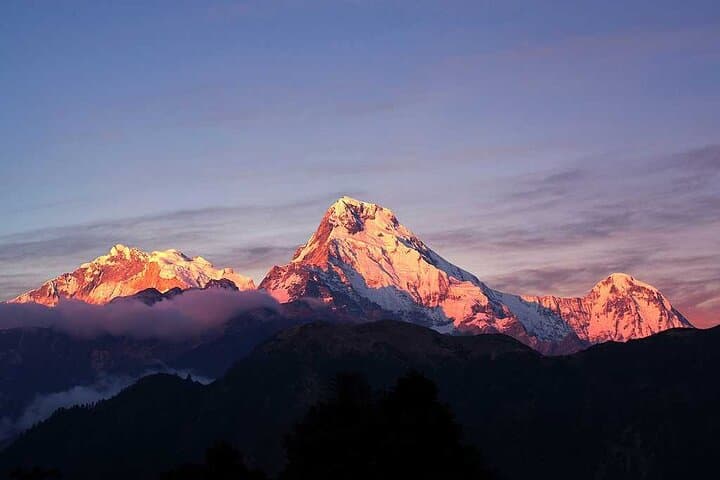
You step out of the car before dawn, and the chill of the high ridge breathes against your face as the horizon lightens. Low clouds pull away like curtains and the Himalayas reveal themselves in slices: Everest at the edge, Annapurna to the left, the rounded ridges of Langtang and Ganesh Himal catching the first light. The silence of the valley is punctuated by distant village dogs and the soft murmur of other early watchers.
Verified experiences and guided adventures in the surrounding area.
Operated by Shriyan World Wide Tours Private Limited · Nagarkot, Bagmati Province
You step out of the car before dawn, and the chill of the high ridge breathes against your face as the horizon lightens. Low clouds pull away like curtains and the Himalayas reveal themselves in slices: Everest at the edge, Annapurna to the left, the rounded ridges of Langtang and Ganesh Himal catching the first light. The silence of the valley is punctuated by distant village dogs and the soft murmur of other early watchers.
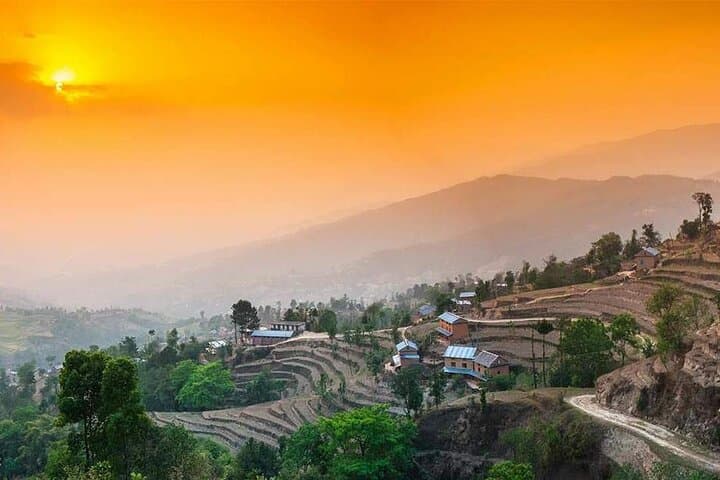
Nagarkot grew as a hill station and lookout for the Kathmandu Valley and sits at roughly 2,175 m (7,136 ft). Geologically it’s a vantage carved by the rising Tibetan plate—folded rock and steep escarpments that give the range its sudden vertical drama. Culturally, the route to Nagarkot threads through Newar and Tamang villages where terraced fields and small temples mark daily life; watch for prayer flags and stone shrines at roadside turns.
Practical guidance: most private tours leave Kathmandu around 4:00–5:00 AM and return midmorning, a roughly 4‑hour round trip. Roads are paved but narrow; expect winding stretches and occasional fog. Dress in layers—pre-dawn temperatures can be cold even in summer—and bring a tripod for low‑light photography. Visibility is weather dependent: clear winter mornings often deliver the best long-distance views, while monsoon months can be cloud-laden.
Facilities in Nagarkot are limited at sunrise—carry water and small local currency for tea or snacks. Respect local spaces, avoid loud flash use in quiet viewpoints, and, if you have time, combine the trip with a short walk to the Nagarkot View Tower or a visit to nearby Changunarayan temple for added cultural context.
easy.
3–4 hours.
Suitable for most fitness levels; minimal walking required beyond short viewpoints
Most private pickups are 3–4 hours round trip, including drive time and sunrise viewing—your exact schedule depends on pickup location and traffic.
On clear mornings you can see Everest and other major peaks, but visibility is weather-dependent; winter and early spring often provide the clearest views.
Yes—transport is by private car with minimal walking required, though early pickup times and cold temperatures may be challenging for some.
Yes; the tour typically includes hotel pickup and drop‑off in Kathmandu as part of the private transfer.
Nagarkot developed as a lookout and hill retreat for Kathmandu Valley communities; its ridges were used historically to watch the approaches to the valley.
Visitors should stick to marked roads and viewpoints, pack out litter, and respect local sacred sites; support local teahouses to help the rural economy.
Shriyan World Wide Tours Private Limited operates guided outdoor trips and adventures with an emphasis on safety, stewardship, and memorable experiences.
You step out of the car before dawn, and the chill of the high ridge breathes against your face as the horizon lightens. Low clouds pull away like curtains and the Himalayas reveal themselves in slices: Everest at the edge, Annapurna to the left, the rounded ridges of Langtang and Ganesh Himal catching the first light. The silence of the valley is punctuated by distant village dogs and the soft murmur of other early watchers.
You step out of the car before dawn, and the chill of the high ridge breathes against your face as the horizon lightens. Low clouds pull away like curtains and the Himalayas reveal themselves in slices: Everest at the edge, Annapurna to the left, the rounded ridges of Langtang and Ganesh Himal catching the first light. The silence of the valley is punctuated by distant village dogs and the soft murmur of other early watchers.
Nagarkot grew as a hill station and lookout for the Kathmandu Valley and sits at roughly 2,175 m (7,136 ft). Geologically it’s a vantage carved by the rising Tibetan plate—folded rock and steep escarpments that give the range its sudden vertical drama. Culturally, the route to Nagarkot threads through Newar and Tamang villages where terraced fields and small temples mark daily life; watch for prayer flags and stone shrines at roadside turns.
Practical guidance: most private tours leave Kathmandu around 4:00–5:00 AM and return midmorning, a roughly 4‑hour round trip. Roads are paved but narrow; expect winding stretches and occasional fog. Dress in layers—pre-dawn temperatures can be cold even in summer—and bring a tripod for low‑light photography. Visibility is weather dependent: clear winter mornings often deliver the best long-distance views, while monsoon months can be cloud-laden.
Facilities in Nagarkot are limited at sunrise—carry water and small local currency for tea or snacks. Respect local spaces, avoid loud flash use in quiet viewpoints, and, if you have time, combine the trip with a short walk to the Nagarkot View Tower or a visit to nearby Changunarayan temple for added cultural context.